What Is a Wedding Film Narrative? A Couples' Guide
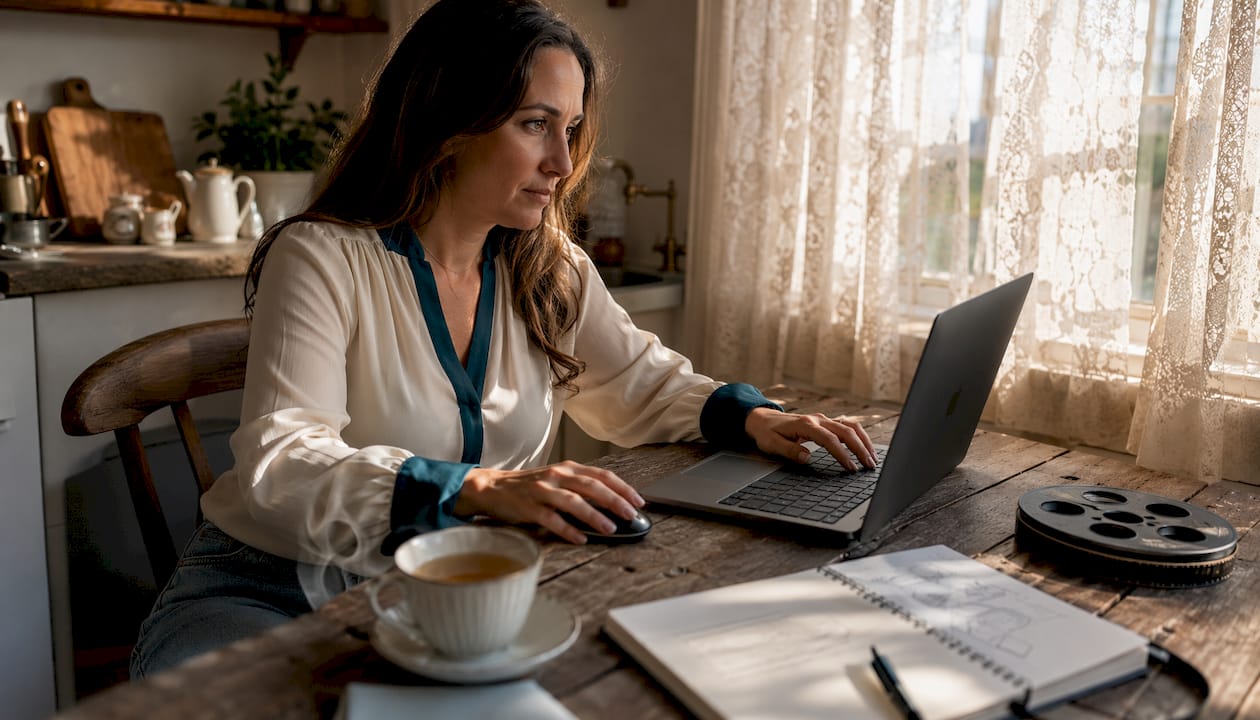
What is a wedding film narrative, and what makes it different?
A wedding film narrative is the deliberate storytelling structure that transforms raw footage into a cinematic love story. It is not a recording of events. It is an interpretation of how your wedding day felt, built from carefully chosen moments, audio, and visual choices that reflect your relationship’s personality.
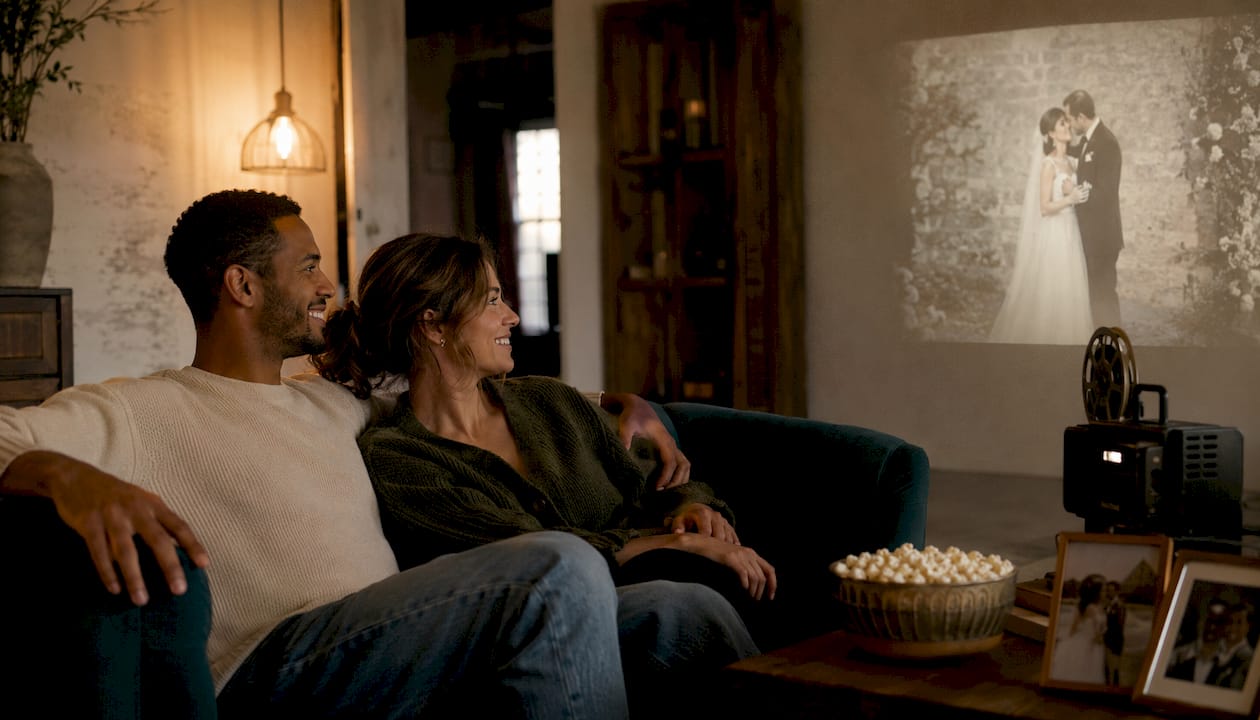
The clearest way to understand it: think about the last movie trailer that gave you chills. A wedding film aims for that same emotional pull, compressed into a short film that captures the arc of your day rather than a complete log of it.
The core components that define a wedding film narrative include:
Emotional audio: vows, speeches, letter readings, and ambient sound that carry the story forward
Cinematic visuals: deliberate camera movement, color grading, and composition choices that set tone
Selective curation: only the moments that matter, not everything that happened
Narrative structure: a beginning, middle, and end shaped by feeling rather than the clock
Personalization: editing choices that reflect who you are as a couple, not a generic template
What separates a wedding film from a conventional wedding video is intent. A video documents. A film interprets.
Table of Contents
How a wedding film tells your love story, not just the day
The most personal wedding films use your own voices to drive the story. Vows, toasts, and speeches become the narrative audio that carries viewers through the film, while the visuals illustrate what those words mean. When your partner’s voice cracks during the vows, and the editor pairs that audio with a close-up of your hands, the film stops being a record and becomes a memory.
Filmmakers who specialize in storytelling style often go further than the wedding day itself. Pre-wedding story sessions, sometimes called adventure sessions or “day in the life” shoots, follow couples in meaningful settings before the wedding. That footage adds personal context that no ceremony clip can replicate.
Common personalization methods used in wedding film narratives:
Weaving vow audio over reception or preparation footage for emotional contrast
Including a pre-wedding session filmed at a place significant to the couple
Incorporating handwritten letter readings or personal speeches as voiceover
Matching the film’s color palette and music to the couple’s aesthetic and wedding style
Conducting brief pre-event interviews so the filmmaker understands the relationship’s backstory
Pro Tip: Before your first meeting with a filmmaker, write down three moments or feelings you want the film to capture. Not events, feelings. “The way we laughed during the first look” is more useful to a storytelling filmmaker than “the ceremony.” That specificity shapes every editing decision they make.
The editing choices that follow from this kind of collaboration are what separate a film that moves you from one you watch once and forget — much like how following an effective wedding glow facial routine can make your skin radiate and enhance your on-camera presence. Narrative editing prioritizes emotional impact over chronological order. Your getting-ready footage might open the film not because it happened first, but because it sets the right emotional tone for everything that follows.

Why cinematic storytelling changes how you experience your wedding film
Cinematic storytelling applies film techniques borrowed from Hollywood to wedding footage, and the difference is immediately visible. Shooting at 24 frames per second creates a slightly dreamy quality your brain registers as “this looks like a movie,” even if you cannot explain why. Standard video shot at 30fps or 60fps looks smoother and more like reality. The gap is subtle, but it changes how the film feels to watch.
Beyond frame rate, the core cinematic components that define this style include:
Shallow depth of field: fast lenses (f/1.2–f/2.8) that separate subjects from backgrounds, drawing focus to faces and hands
Deliberate camera movement: gimbal-stabilized tracking shots and slow reveals rather than handheld shake
Color grading: a consistent, intentional palette applied in post-production, with warm tones scoring highest for perceived romance and rewatchability
Music-driven editing: cuts timed to the beat, with pacing dictated by the score
Sound design: ambient audio layered under music to keep the film grounded in the real day
Vintage anamorphic lenses add another layer for high-end productions, creating oval bokeh and lens flares that give footage a distinctly filmic quality. These are not accidents. They are deliberate choices made to serve the story.
The result is a film that feels worth watching again in ten years, not just the week after the wedding. Warm color grading, in particular, tends to age well because it evokes the feeling of memory rather than the clinical accuracy of a documentary.
Common storytelling techniques filmmakers use to build the narrative
The most widely used structure in wedding film storytelling follows a beginning, middle, and end: preparations and anticipation, the ceremony and its emotional peak, then the celebration. But the best filmmakers rarely follow that arc in strict chronological order.
Non-linear editing is one of the most powerful tools in wedding cinema. An editor might open the film with a quiet moment from the reception, then cut back to the morning preparations, then layer vow audio over dancing footage. The emotional logic drives the sequence, not the timeline. Hearing your vows while watching your guests celebrate creates a resonance that a straight chronological cut cannot.
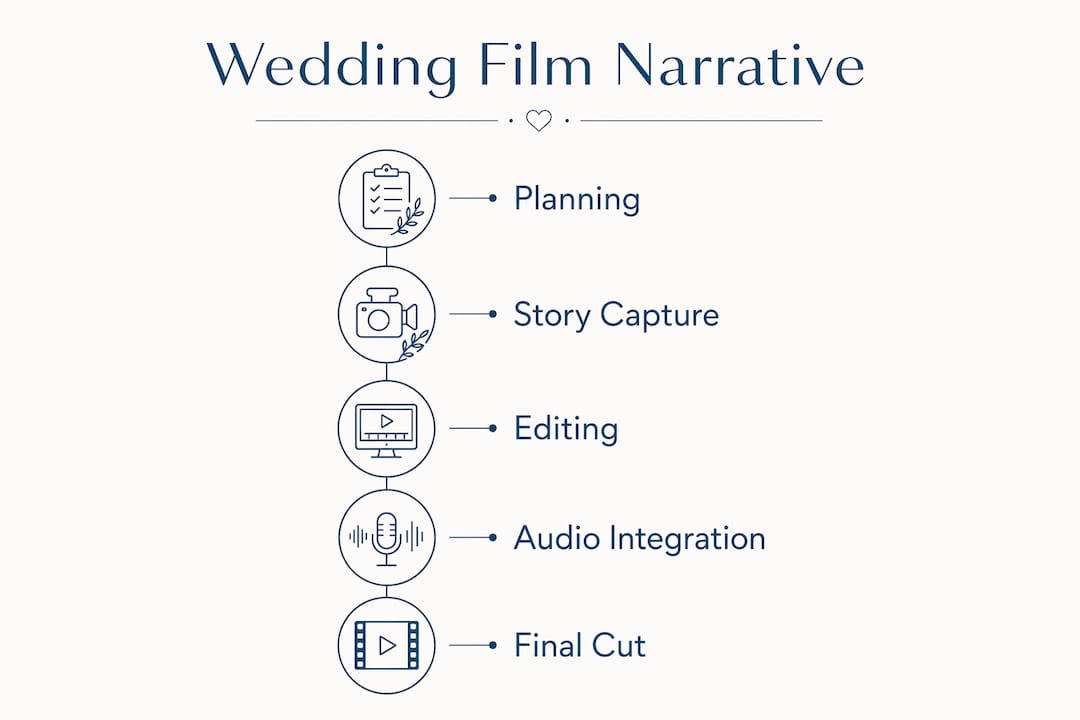
Professional audio design is equally demanding. Mixing ambient sound, lavalier microphone audio, licensed music, and natural sound effects can take as long as the video editing itself. The post-production process for a narrative wedding film involves extensive work, covering rough cuts, narrative arc building, audio sync, color grading, and final polish. That investment is what separates a film from a video.
“A well-crafted wedding film captures not just what happened, but how it felt, making it more engaging and memorable for viewers.” — Jeff Hartwig, wedding filmmaker
Other techniques that shape the narrative:
Visual motifs: a recurring image or color that threads through the film and gives it cohesion
Pacing shifts: slow motion during the vows, faster cuts during dancing, quiet stillness at the end
Speech excerpts as voiceover: pulling the most emotionally resonant 20–30 seconds of a toast rather than including it in full
Sound layering: rain on a window, church bells, crowd laughter mixed under the score to keep the film anchored in the real day
Pro Tip: Ask your filmmaker how they handle the ceremony audio. A great narrative film uses excerpts of vows as voiceover woven throughout. If you also want every word of your vows preserved, request a separate ceremony edit or raw footage package alongside the highlight film.
Why a strong narrative makes your wedding film worth keeping forever
Couples who skip cinematic storytelling often realize the gap only after the wedding. Not hiring a videographer ranks among the most common regrets couples report after their wedding day, and the reason is almost always the same: they did not realize how much the audible moments would matter. A photograph cannot capture the way your voice sounded when you said “I do,” or the exact words your father used when he saw you for the first time.
A narrative film preserves those moments in a form you can actually revisit. The benefits go beyond nostalgia:
Timelessness: cinematic color grading and music choices that hold up decades later, not just the week after
Emotional depth: a film that makes you feel the day again, not just remember it intellectually
Personalization: a keepsake tied specifically to your relationship, not a generic wedding template
Shareability: a 5–8 minute film that friends and family will actually watch to completion
Future connection: something to show children and grandchildren that conveys who you were and how you loved each other
The emotional moments that define a wedding, the nervous laugh before the first look, the squeeze of a hand during the vows, the toast that made the whole room cry, only land in a film when an editor has built the narrative around them. Without that structure, they get buried in footage.
Expert perspective: what great wedding film storytelling actually requires
Pixelgroves holds the 2025 Best of Florida Wedding Photographer Award and has built its reputation on one principle: no two couples have the same story, so no two films should feel the same. That sounds obvious. Executing it requires filmmakers who listen before they shoot and edit with intention rather than formula.
The industry’s most respected practitioners share a consistent view on what separates a memorable film from a forgettable one. Wedding films should feel like emotional journeys, not event logs. Every editing decision, from the opening frame to the final fade, should serve the story of that specific couple.
“Storytelling videographers are pros at piecing together a video from a wedding weekend that flows like a story. They usually use speeches, letter readings, vows, and other audio elements from your day to help tell this story. Some videographers may even do pre-event interviews to help them tell the story.” — Brides.com, wedding videography style guide
The interview footage that filmmakers gather before or during a wedding weekend is often what elevates a film from beautiful to genuinely moving. When a couple’s own words about their relationship play under footage of their first dance, the film stops being about the wedding and becomes about them.
Pixelgroves approaches every project with that goal. The team’s wedding videography work combines cinematic technique with deep personalization, from pre-wedding sessions to the final color grade, so the finished film reflects the couple’s actual relationship rather than a polished version of a standard wedding day.
For couples who want to understand how post-production shapes the narrative they will watch for the rest of their lives, the editing phase is where the story is truly built. Footage is raw material. The narrative is the craft.
Ready to see your story told cinematically?
[
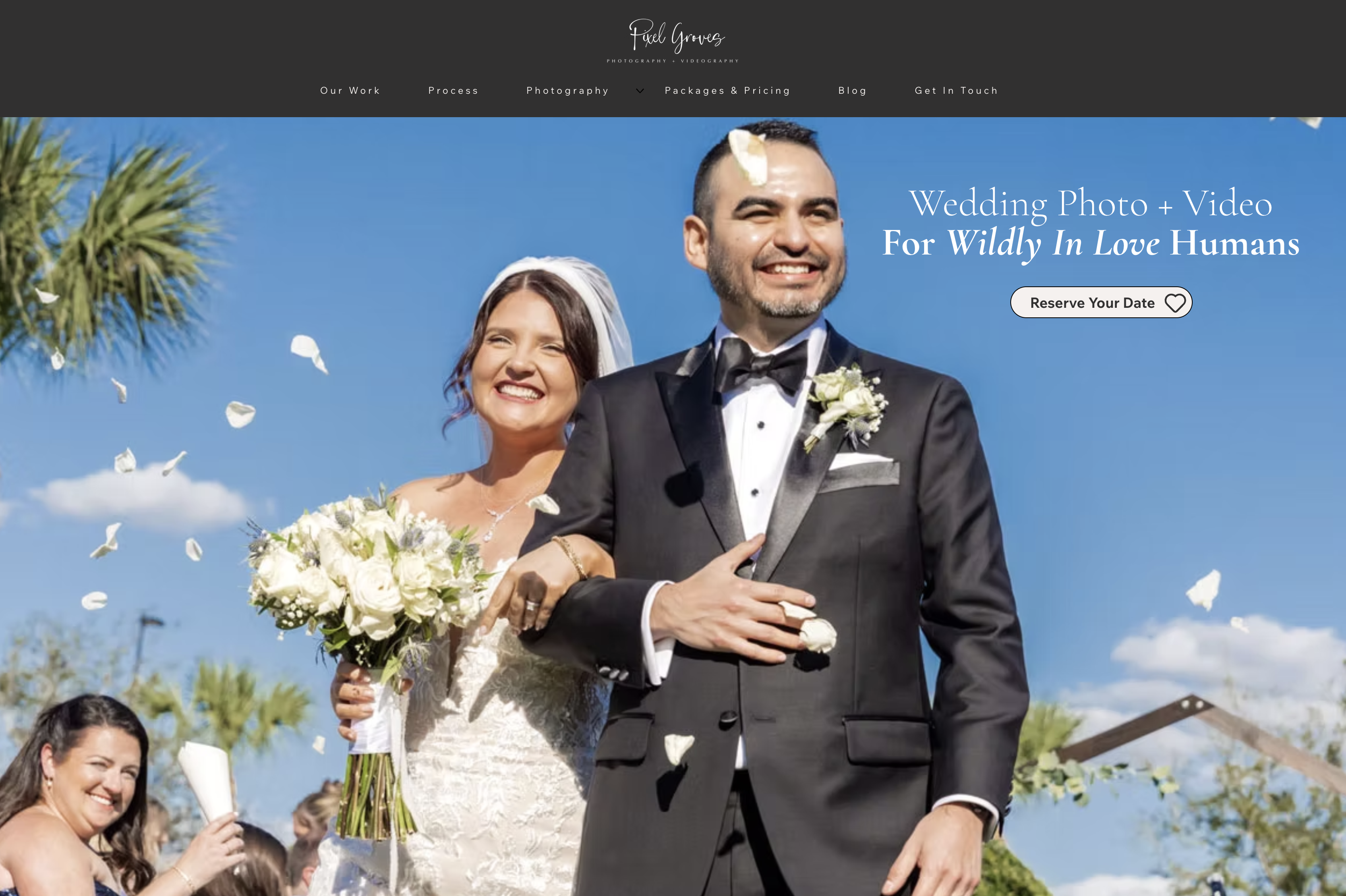
Pixelgroves creates award-winning wedding films that capture your relationship’s personality, not just your wedding day’s timeline. Every film is built from your voices, your moments, and your story. Explore wedding photography styles or review packages and pricing to find the right fit for your wedding.
Key Takeaways
A wedding film narrative transforms raw footage into a personalized cinematic story built from your voices, your moments, and deliberate editing choices that prioritize feeling over chronology.
Point | Details |
Narrative vs. documentation | A wedding film interprets how the day felt; a conventional video records what happened. |
Post-production depth | Crafting a narrative film typically requires extensive editing, audio design, and color grading. |
Audio drives the story | Vows, speeches, and letter readings serve as the narrative backbone, not just background sound. |
Non-linear editing | Editors layer vow audio over reception footage to create emotional resonance that chronological cuts cannot. |
Personalization starts early | Pre-wedding story sessions and filmmaker interviews add personal context that the wedding day alone cannot provide. |
Recommended
Comments