What Is a First Look? A Quick Guide for Couples
- 2 days ago
- 12 min read
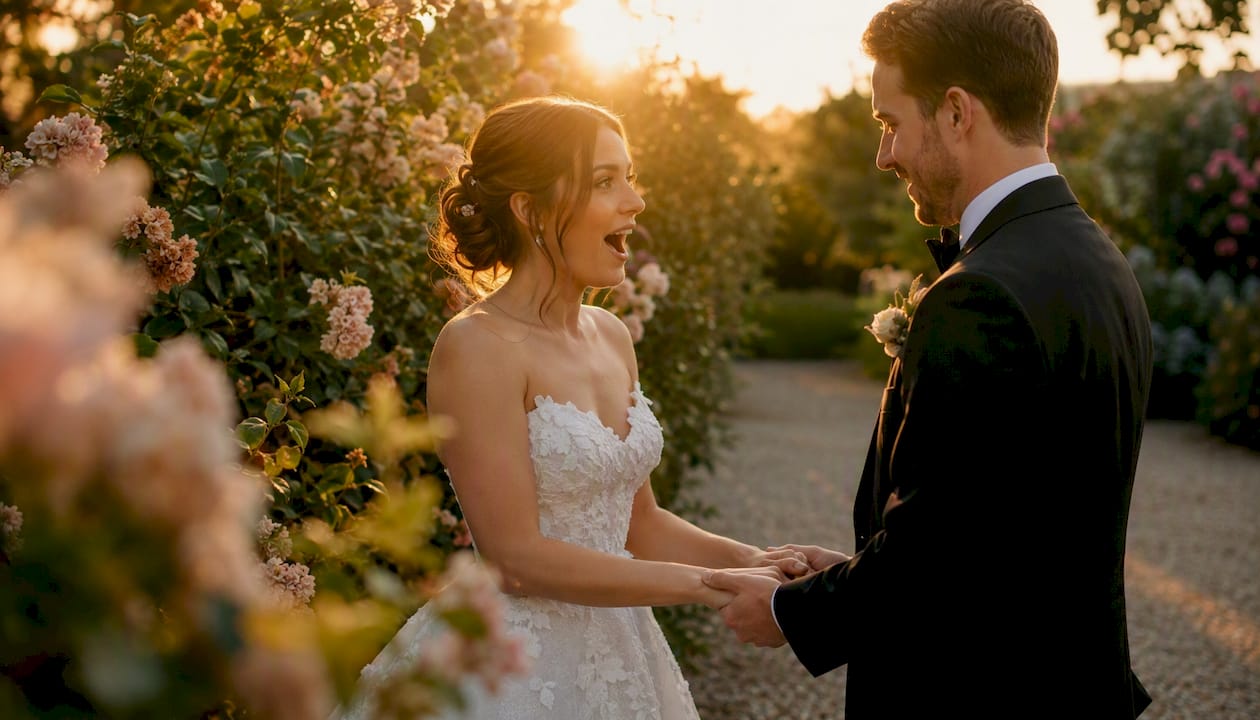
A first look is a private, planned moment when a couple sees each other in wedding attire before the ceremony, usually 60 to 90 minutes ahead of it, with only a photographer (and videographer, if hired) present. It’s worth considering if you want calm nerves, more candid photos, and extra time with guests at cocktail hour. It’s a harder sell if you’re set on that one big reveal at the end of the aisle, in front of everyone you love.
According to Fox News’s coverage of The Knot’s Real Weddings Study, roughly 56% of couples now choose a first look over the traditional aisle reveal. That’s not a fringe trend anymore. It’s closer to the default.
Here’s the quick breakdown before you decide:
What it is: a private reveal in wedding attire, staged before the ceremony starts.
Who’s there: just the two of you, your photographer, and often a videographer.
When it happens: typically between one hour and one and a half hours before the ceremony begins.
Why couples do it: calmer nerves, more portrait time, and a longer cocktail hour.
Why some skip it: they want the aisle moment to be the first time they see each other, full stop.
Photography studios like Pixelgroves build entire wedding-day timelines around this decision because it changes almost everything downstream, from when hair and makeup starts to how long you get to actually enjoy your own reception.
Key Takeaways
A first look works because it front-loads portraits and private time, letting couples walk into their own reception instead of disappearing for two hours.
Point | Details |
Timing window | Schedule your first look 60 to 90 minutes before the ceremony, or up to two hours for a longer private moment plus full portraits. |
Privacy matters | Keep the reveal limited to you two, your photographer, and videographer to avoid guests wandering into frame. |
Weigh the trade-off | You gain calm and cocktail-hour time but give up the traditional aisle reveal, so decide based on your priorities, not trends. |
Coordinate with vendors early | Share your timeline with hair, makeup, your planner, and your photography team well before the wedding morning. |
Book photography built for the moment | Pixelgroves structures full-day coverage around capturing both reactions during a first look, with add-on second shooters for two-sided shots. |
Where to Read More on Planning Your First Look
For deeper timeline planning and vendor coordination advice, Plan A Wedding’s guide walks through scheduling in more detail. Paperlust’s breakdown covers staging and photography strategy if you want to go further into the visual side of things.
On the Pixelgroves side, First Look Wedding Photos: 10 Ideas for 2026 offers creative staging inspiration, and the Groom Prep Timeline guide helps coordinate the other half of your morning schedule so nothing collides with your first-look window.
Table of Contents
What Is a First Look, Exactly, and How Does It Usually Happen?
A first look is a choreographed but genuinely emotional moment. One partner is positioned somewhere quiet, usually with their back turned or waiting around a corner, while the other approaches. The photographer stages the scene for good light and a clean background, then steps back and lets the moment happen on its own terms. That balance between staged setup and unscripted reaction is exactly why Paperlust’s guide to first looks notes that photographers get some of their rawest, most emotionally legible shots during this window.
Here’s a typical sequence, step by step:
Both partners finish getting dressed in separate rooms or spaces, usually with hair and makeup already wrapped up.
The photographer scouts and sets up the location, checking light, background, and privacy before either partner arrives.
One partner is positioned first, often with their back to the approach path or waiting just out of sight.
The second partner walks in, and the classic choreography plays out. A tap on the shoulder. A slow turnaround. Sometimes nothing more than a quiet “ready?”
The reveal happens, and the photographer captures the approach, the turn, and the immediate reaction from both angles.
The couple gets a few private minutes together before the photographer moves into portrait mode.
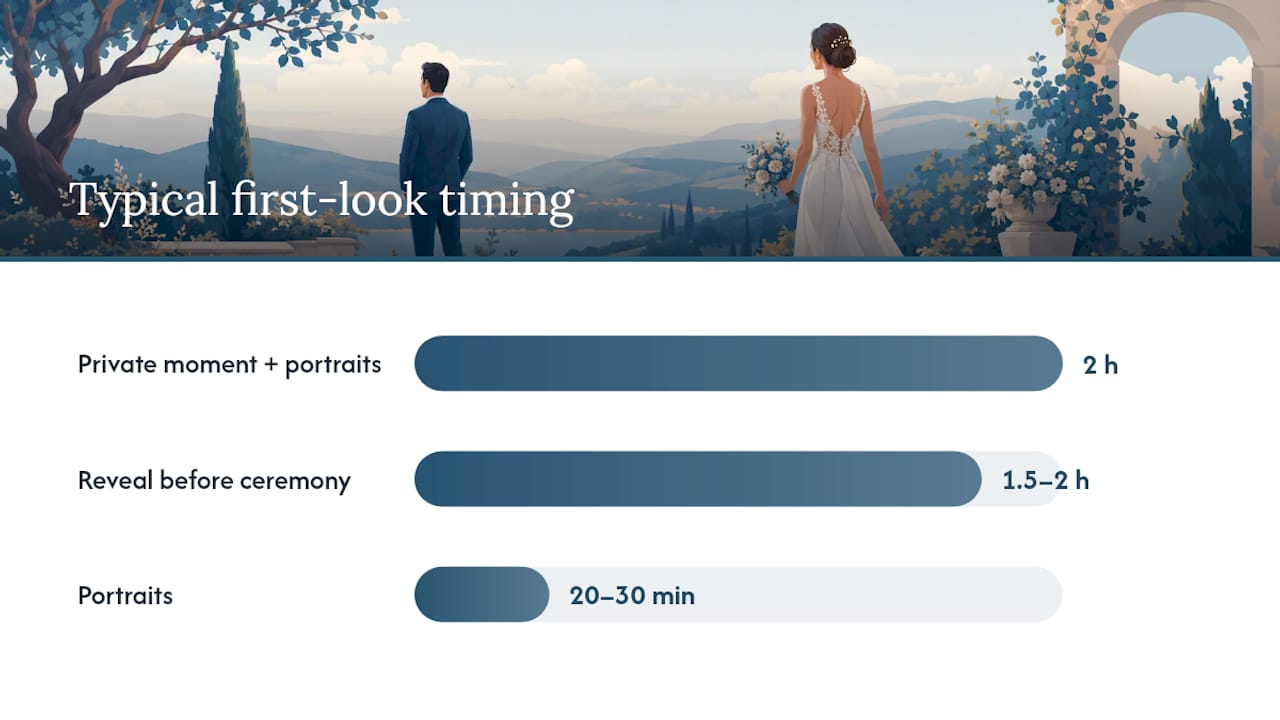
Portraits follow immediately, often 20 to 30 minutes of couple shots while everyone’s makeup and hair are still fresh.
For a 4:30 PM ceremony, that usually means the reveal itself happens around 2:30 or 3:00 PM, based on the two-hour buffer Brides recommends for a private moment plus portraits. It’s not a public event. Most venues keep it to the couple and the photo team, sometimes with a videographer tucked into the corner catching both faces at once.
Worth knowing: the old rule about not seeing each other before the ceremony traces back to arranged-marriage-era superstition, when families worried a groom might back out if he saw the bride too early. A first look deliberately breaks that old logic in favor of something more useful to modern couples: time and calm.
The Real Upside of Doing a First Look
Couples who choose a first look usually aren’t doing it to be trendy. They’re doing it because the math and the emotional logic both work in their favor.
It calms nerves. Walking down the aisle in front of 100 people is a lot easier when you’ve already had your private moment and gotten the shaking hands out of the way.
You get real alone time. No aisle, no audience, no officiant waiting. Just the two of you for a few minutes before the day gets loud.
Portraits happen early. Most couple and family photos wrap before the ceremony, which means you’re not disappearing for an hour during your own cocktail hour.
You actually get to attend your cocktail hour. Plan A Wedding’s scheduling guide points out that a first look typically shortens the post-ceremony portrait window dramatically, freeing you up to eat, drink, and talk to guests instead of posing for two hours.
The reactions are more genuine. No audience to perform for tends to mean less posturing and more actual emotion on camera.
The 56% figure from The Knot’s Real Weddings Study isn’t just a fun statistic. It signals that most photographers you’ll talk to have done this dozens, if not hundreds, of times and know exactly how to stage it well.
On the photography side, Paperlust’s reporting backs this up directly: first-look images tend to show more unguarded expressions because neither partner is managing a room full of watching relatives. The camera catches the moment before either of you remembers you’re being photographed, which is usually when the best shot happens.
What You Give Up When You Do a First Look
None of this is one-sided, and pretending otherwise would do you a disservice. Here’s what you’re trading away.
You lose the traditional aisle reveal. If seeing each other for the first time in front of everyone is the emotional peak you’ve imagined since you got engaged, a first look removes that specific moment.
Your day starts earlier. Hair, makeup, and dressing all need to be finished well before the ceremony instead of right up until it starts.
Touch-ups become a real logistical need. Outdoor first looks in humidity, wind, or heat can smudge makeup or muss hair before the ceremony even begins.
Dirty hems and grass stains are a legitimate risk. Garden or beach locations look gorgeous in photos but can leave a mark on white fabric if you’re not careful about where you stand.
Some family members may push back. Parents or grandparents who grew up with the traditional reveal sometimes need a little convincing that this isn’t a slight against tradition.
Pro Tip: Schedule your hair and makeup artist to stay on-site through the first look, not just through the getting-ready phase. Build in a 10-minute touch-up buffer right before the ceremony itself, so you walk down the aisle looking exactly as fresh as you did an hour earlier.
When to Schedule Your First Look Without Wrecking the Timeline
The window that shows up again and again in wedding-planning guidance is 60 to 90 minutes before the ceremony, sometimes stretched to two hours if you want a longer private moment plus full portraits. Brides recommends the two-hour version specifically because it leaves room for both the emotional moment and the photography that follows, without anyone feeling rushed.
Here’s what a backward-planned timeline looks like for a 5:00 PM ceremony:
12:00 PM — Hair and makeup begins for both partners.
2:00 PM — Hair and makeup wraps; final dressing begins.
2:45 PM — Photographer arrives on-site and scouts the first-look location.
3:00 PM — First look happens.
3:15 to 3:45 PM — Couple portraits.
3:45 to 4:15 PM — Wedding party and family portraits (if not done separately).
4:15 to 4:45 PM — Buffer time for touch-ups, bustling a dress, or a quiet snack before the ceremony.
5:00 PM — Ceremony begins.
Building in that buffer at the end matters more than people expect. Something always runs a few minutes long, whether it’s a bustle that won’t cooperate or a groomsman who can’t find his boutonniere.
Who needs this timeline in advance:
Your photographer and videographer, so they can plan staging and lighting ahead of time.
Your wedding planner or day-of coordinator, who’s juggling every other moving piece.
Your hair and makeup team, so they know exactly when to be finished, not just roughly.
Your venue’s point of contact, especially if the first look happens somewhere on-site that needs to be cleared of other guests.
Choosing the Right Spot for Your First Look
Location changes everything about how a first look feels and photographs. The core trade-off is privacy and light control versus the natural beauty and weather risk of being outdoors.
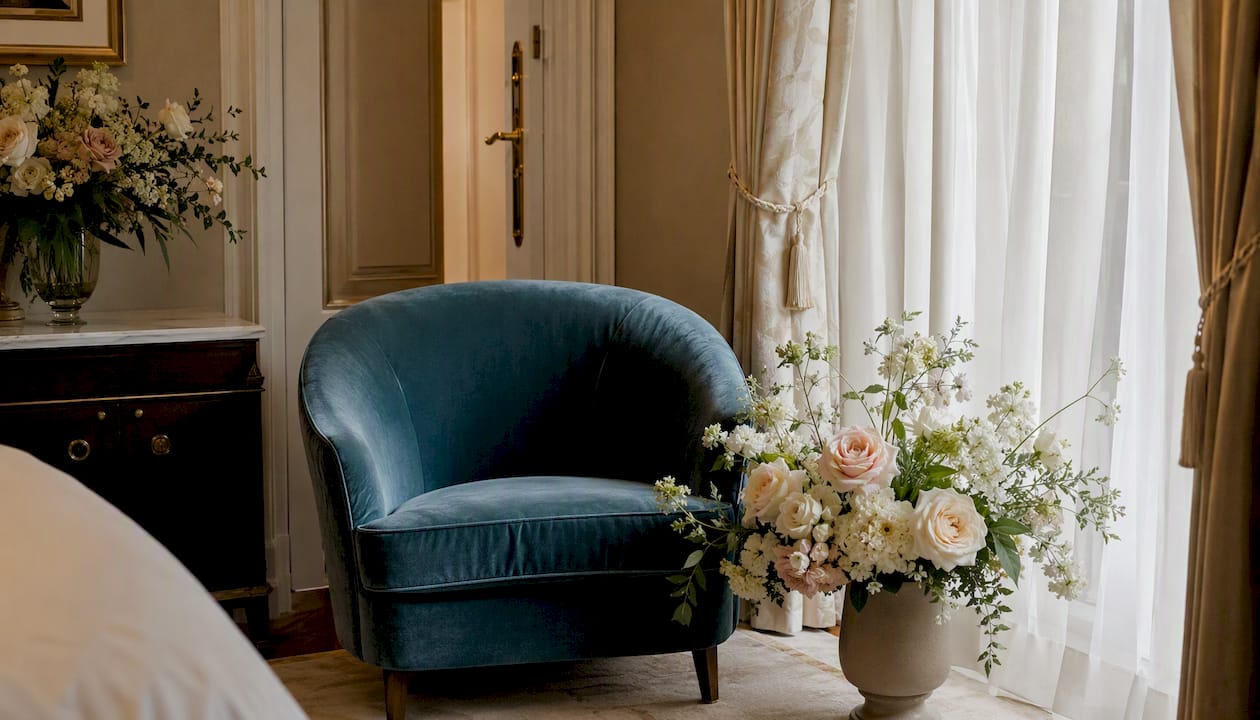
Indoor spaces like a hotel hallway, a quiet atrium, or a private suite give you total control over who walks in and total protection from wind, rain, or sun glare. The trade-off is that indoor light can be flat or artificial unless there’s a good window nearby. Outdoor spaces like gardens or scenic overlooks give you gorgeous natural light and a genuinely private feeling if you pick the right time of day, but you’re at the mercy of weather and any wedding guests who show up early and wander into frame.
Location Type | Privacy Control | Lighting Control | Weather Risk |
Private indoor room | High | Moderate | None |
Hotel hallway or stairwell | High | Low to moderate | None |
Garden or scenic overlook | Moderate | High (natural light) | High |
Indoor atrium with windows | High | High | None |
Guest flow is the sneaky logistical problem nobody warns you about. If your first look happens near the ceremony site, early arrivals can accidentally walk right into your private moment. Wedshed’s staging guide suggests picking a spot removed from the main guest path, or timing the reveal early enough that doors haven’t opened yet.
Pro Tip: If you love an outdoor setting but you’re worried about weather, scout a sheltered nook, a covered porch, or a tree line nearby as a backup. Tell your photographer about it in advance so nobody’s improvising if it starts raining twenty minutes before showtime.
If You Want the Emotion Without Giving Up the Surprise
A first look isn’t the only way to get a private moment before the ceremony. A handful of alternatives split the difference between full transparency and full tradition.
First touch: you stand back-to-back, or on either side of a closed door, and hold hands without seeing each other. You get the physical connection and the calming effect without spoiling the visual reveal for the aisle.
Letter exchange: you write each other letters ahead of time and read them separately in the hours before the ceremony. This works well for couples who want a quiet, personal moment but aren’t interested in staging anything for the camera.
Private vow readings: some couples read a private, unofficiated version of their vows to each other before the ceremony, saving the officiant version for the public moment.
First looks with the wedding party or family instead of each other: you can do a reveal with your parents or your wedding party while saving the partner reveal for the aisle.
These compromises fit particularly well for couples navigating religious or cultural expectations where a full first look might feel at odds with tradition, without asking anyone to give up the emotional benefit entirely.
Who Actually Benefits From a First Look
This isn’t a universal recommendation. It’s a fit question, and answering it honestly saves you a lot of second-guessing later.
Ask yourselves these questions together:
Do we value privacy over spectacle? If a quiet, unwitnessed moment sounds better to you than a room full of eyes, a first look fits.
Is walking down the aisle to a first-time reaction non-negotiable for us? If yes, skip the first look and protect that moment.
Do we want to actually attend our own cocktail hour? A first look usually means you’re not disappearing for portraits while your guests eat and drink without you.
Are we working with a tight winter or sunset ceremony time? Shorter daylight windows often make a first look the more practical choice, since it front-loads the photography before light disappears.
Will family members feel strongly about tradition being broken? It’s worth a conversation ahead of time, not a surprise on the wedding morning.
A first look tends to suit couples who prioritize calm, efficiency, and time with guests over a single dramatic reveal moment. Couples who skip it tend to be the ones for whom that one moment at the end of the aisle is the emotional centerpiece of the entire day, worth protecting even if it means a tighter photo schedule afterward.
One more note worth stating plainly: in some religious and cultural traditions, seeing each other before the ceremony carries specific meaning or restrictions that go beyond personal preference. If that applies to your background, it’s worth a direct conversation with your officiant or family elders rather than defaulting to whatever’s trending.
What to Ask Your Photographer About Your First Look
The difference between a first look that photographs beautifully and one that falls flat usually comes down to vendor coordination, not luck.
Here’s the shot list worth requesting from any photographer or videographer you hire:
The approach — one partner walking or waiting, captured from a distance.
The reveal itself — the tap, the turn, the first eye contact.
Close-up reaction shots — both faces, captured individually if possible.
A wide environmental shot — showing the location and both partners together in context.
Candid conversation — the few minutes of talking and laughing right after the reveal.
Immediate portrait coverage — a handful of posed shots while you’re both still emotionally lit up from the moment.
And here’s a short list of questions worth pasting into your first booking email:
How many first looks have you shot, and can I see a full gallery from one?
What’s your ideal buffer time before and after the reveal itself?
How do you handle lighting if the weather doesn’t cooperate?
Where do you typically position yourself to catch both reactions at once?
If we hire a videographer too, how do you two coordinate movement so neither of you blocks the other’s shot?
Pro Tip: Ask specifically about lens choice for the reveal moment. Many photographers switch to a longer lens, something in the 70 to 200mm range, so they can stand back and capture genuine reactions without the couple feeling like a camera is inches from their face.
A studio like Pixelgroves builds its wedding photography styles around exactly this kind of two-sided reaction coverage, treating the first look as one of the day’s most important storytelling beats rather than a quick formality to check off. For coordinating hair, makeup, and getting-dressed logistics before the reveal, it’s also worth glancing at resources like The Wedding Garter’s guide to bridal accessories for small styling details that hold up well under close-up photography.
A Photographer’s View From Behind the Lens
What strikes me most about shooting first looks isn’t the reveal itself. It’s the ten seconds right before it, when the waiting partner is standing there not knowing exactly when the tap on the shoulder is coming. That’s when the real emotion shows up on camera, before either person has had a chance to compose themselves for the shot.
I’ve seen a first look completely reset the tone of a wedding day that was running behind schedule and full of tension. The couple stepped away from the chaos of vendors and family requests for fifteen minutes, and by the time they came back, the stress had visibly drained out of both of them. That’s not something a posed altar photo can replicate, no matter how good the light is.
Let Pixelgroves Capture Your First Look, Start to Finish
If you’re leaning toward a first look, the biggest variable in how it turns out is the person holding the camera. Pixelgroves builds full-day wedding coverage around exactly this kind of moment, with options for a second shooter to catch both reactions simultaneously and a fast-turnaround policy so you’re not waiting months to see how it all looked.
[
When you reach out for a quote, ask for a sample timeline built around a first look, request the shot list outlined above, and ask what the backup weather plan looks like for your venue. That gives you a concrete sense of how the day would actually run before you commit to anything. You can browse wedding photography styles to see how documentary, editorial, and light-and-airy approaches each handle a reveal moment differently, or head straight to pricing and packages to see what full-day coverage with a first look built in actually costs. Either way, the next step is simple: get in touch and ask for a timeline built around your ceremony time.
Sources
Recommended
Comments