Why Artistic Editing Makes Wedding Memories Last
Updated: Oct 9
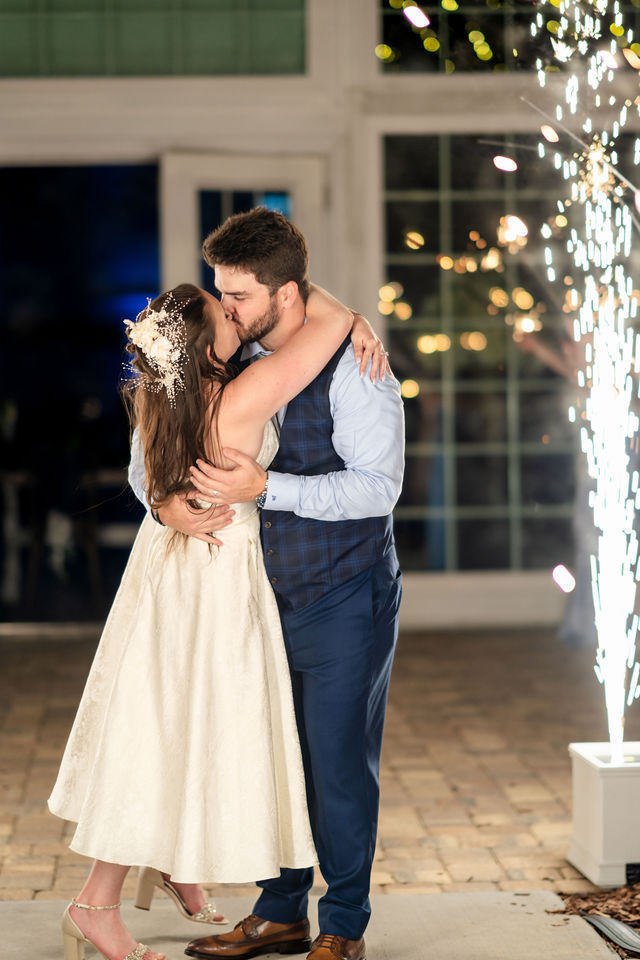
Artistic editing strengthens wedding memories by doing something no single photograph can do alone: it reconstructs your day as both an observer experience and a first-person emotional replay at the same time. The result is a film or gallery that doesn’t just document what happened. It cues how it felt, which is the part your brain actually stores long-term.
What artistic editing does: Reconstructs the day as a coherent narrative, sequences emotional peaks deliberately, and uses color, pacing, and sound to cue emotional recall.
What the outcome feels like: On rewatch, details feel sharper, emotions feel closer, and the day feels relived rather than merely reviewed.
Key Takeaways
Artistic editing strengthens wedding memories by reconstructing the day as a coherent emotional narrative that activates both observer and first-person memory systems simultaneously.
Point | Details |
Dual-perspective activation | Edited films activate observer and first-person memory networks, intensifying emotional encoding on rewatch. |
Warm grades rewatched more | Warm, golden color grades score higher on emotional intensity and rewatchability than high-contrast alternatives. |
First viewing matters | Watching your film together in a curated setting produces a vivid memory of that viewing moment itself. |
Prints reinforce recall | Physical photographs function as nostalgia triggers that reactivate autobiographical memory more reliably than digital files. |
Pixelgroves | Award-winning Florida team whose editing process prioritizes narrative pacing, skin-tone protection, and curated first-view delivery. |
Table of Contents
Concrete editing techniques that strengthen your memory of the day
How editors shape a wedding story using anticipation and release
How to brief and evaluate your photographer and videographer
Practical expectations: timeline, costs, and add-ons worth paying for
How to preserve and future-proof your edited photos and films
When artistic editing transformed the memory: two real scenarios
Pixelgroves: wedding photography and film built around your memories
Why artistic editing enhances memories: the brain science
Watching a well-edited wedding film activates two distinct neural networks simultaneously: the observer-perspective system (seeing yourself from outside) and the first-person memory system (feeling as if you’re back inside the moment). That dual activation, documented in qualitative-ethnographic research on wedding media and recall, produces an intensified emotional encoding. Couples who rewatch a thoughtfully edited film often report feeling stronger emotions than they did during the event itself.
Wedding photos work differently but just as powerfully. They function as nostalgia triggers and future emotional anchors, reactivating identity, social connection, and reward-processing networks that reinforce relational memory over time. A single well-graded image of your partner’s expression during vows can pull the entire emotional texture of that moment back into focus years later.
The same research notes that wedding media also shape which moments become central in long-term memory. Editors who prioritize reaction shots, vulnerability, and spoken moments over decorative or highly stylized sequences create films couples return to for emotional reconnection, not just social sharing.
Color is a direct lever on emotional intensity. Viewer research summarized by OurStoria finds that warm, golden grades score higher on romance, emotional intensity, and rewatchability compared with high-contrast or moody grades, and that warm-graded films are rewatched more often over a one-year period.
Editing Variable | Memory / Emotional Effect |
Warm color grade | Higher emotional intensity and rewatchability vs. high-contrast grades |
Reaction-shot prioritization | Stronger emotional reconnection on rewatch |
Narrative sequencing | Shapes which moments become central in long-term recall |
Dual-perspective activation | Intensified emotional encoding during viewing |
Concrete editing techniques that strengthen your memory of the day
Good editors don’t apply these choices randomly. Each one maps to a specific psychological mechanism, and knowing what to ask for puts you in control of the outcome.
Narrative sequencing. Ordering footage to mirror the day’s emotional arc (getting ready → ceremony → celebration) gives your brain a story structure to hold onto. Selective montage, used sparingly, can compress time without losing emotional continuity.
Emotional pacing. Slow cuts during intimate moments let the brain dwell and encode. Fast cuts during the reception signal joy and energy. The contrast between the two is what makes each feel distinct in memory.
Anticipation and release. Editors deliberately build tension before emotional peaks — a quiet shot of your partner waiting, then the doors opening — so the brain encodes the peak more vividly. This mirrors how the day actually felt.
Music and strategic silence. Music primes emotional state; silence at the right moment (the pause before “I do”) heightens intimacy and makes spoken words more memorable. Balancing ambient sound with score keeps vows and speeches audible and emotionally present.
Warm-focused color grading. Warm grades increase emotional intensity and long-term rewatchability. They also make skin tones look natural across different lighting conditions, which matters more than most couples realize.
Skin-tone protection. Preserving authentic skin tones keeps the people in your photos emotionally recognizable across decades. Heavily processed skin reads as artificial over time and weakens the memory anchor.
Selective retouching. Light, targeted retouching removes distractions (a stray hair, a blemish) without erasing the humanity of the moment. Over-retouching produces images that feel unfamiliar on rewatch.
Slow motion and micro-slow. A half-second of slow motion on a laugh, a tear, or a first-kiss reaction gives the eye time to absorb what the brain wants to hold onto.
Reaction-shot prioritization. Your guests’ faces during your vows often carry more emotional information than the vows themselves. Editors who cut to reactions create a richer emotional record.
Co-locating photos and video. Placing stills and film in a single gallery encourages cross-referencing between visual and auditory cues, reinforcing neural traces and making details easier to recall.
Pro Tip: When reviewing a photographer’s or videographer’s portfolio, ask to see a full-length film alongside the highlight reel. Highlight reels are optimized for social sharing. Full films show whether the editor can sustain emotional pacing across an hour, which is the real test of long-term rewatchability.
How editors shape a wedding story using anticipation and release
The best wedding films are built around emotional architecture, not just beautiful footage. Here’s how a skilled editor structures that arc.
Opening: establish the emotional stakes
The film opens quietly. Getting-ready footage, close-ups of wedding bands and details, ambient sound from the morning. No music yet or something understated. The goal is to ground the viewer in the day’s texture before the emotional peaks arrive.
Build: controlled tension
As the ceremony approaches, the edit tightens. Cuts get slightly shorter. Music enters, low and anticipatory. A shot of the groom’s face. The doors. A breath. Pacing and anticipation-and-release are intentional here: the brain is being primed to encode what comes next more deeply.
Peak: the emotional moment
The vows, the first look, the first dance. The editor holds longer on faces and reactions. Music swells or drops entirely. This is where silence does its most important work — a moment of ambient-only audio during vows makes the spoken words feel irreplaceable.
Release: joy and breath
The reception. Laughter, dancing, toasts. The edit opens up, cuts quicken, and the emotional register shifts from intimate to celebratory. This contrast is what makes the ceremony feel sacred in retrospect.
Resolution: the close
A quiet final sequence — a last dance, a quiet moment between the two of you, or a wide shot of the venue at dusk. The brain files the day as complete, which strengthens overall consolidation.
Pro Tip: Ask your videographer which song they’re considering for the ceremony sequence before the wedding. Music tempo directly affects where cuts land, and aligning the edit to a track that already means something to you produces a stronger emotional response on first viewing.
How to brief and evaluate your photographer and videographer
Deliverables to request
Full-length wedding film (not just a highlight reel)
Highlight reel (3–5 minutes, shareable)
Raw audio capture of vows and speeches
Color-graded master files for video
High-resolution stills in both JPEG and TIFF/PNG
Print-ready files at full resolution
Questions to ask before booking
Can I see a full film, not just a reel?
How do you protect skin tones during color grading?
Do you grade different moments (ceremony vs. reception) differently?
How do you handle the first-view delivery experience?
How do you balance music with ambient sound and spoken audio?
What’s your approach to reaction shots vs. decorative footage?
How do you sequence a film — chronological, or selective montage?
Can I hear the vows clearly in your sample films?
What file formats do you deliver, and are masters included?
How do you handle low-light or mixed-lighting conditions?
Do you offer a second shooter, and how does that affect coverage?
What’s your turnaround timeline for the full film and gallery?
Red flags to watch for
Reels that use the same preset across every wedding
Inability or reluctance to show a full-length film
Inconsistent color between projects in the portfolio
No audible spoken audio in sample films
Heavy skin smoothing that makes subjects look unfamiliar
Practical expectations: timeline, costs, and add-ons worth paying for
Most couples receive a sneak-peek gallery within two to four weeks of the wedding. Full edited galleries typically follow at six to twelve weeks, and final wedding films often take eight to sixteen weeks depending on the editor’s workload and the complexity of the edit. These are general ranges; your contract should specify exact milestones.
Deliverable | Typical Turnaround |
Sneak-peek gallery | 2–4 weeks |
Full edited photo gallery | 6–12 weeks |
Highlight reel | 6–10 weeks |
Full wedding film | 8 weeks or more |
Pricing varies significantly by market, experience level, and package scope. Rather than quoting figures that won’t hold across regions, focus on which add-ons genuinely improve memory outcomes.
Second shooter: Captures reactions and angles the primary photographer can’t reach. More reaction shots means a richer emotional record.
Extended coverage: Getting-ready and send-off footage provides the narrative bookends that make a film feel complete.
Raw audio capture: A dedicated audio recorder for vows and speeches is the single most underrated upgrade. Vows are irreplaceable; a muffled recording is a permanent loss.
Premium color grading: Moment-specific grading (warmer for ceremony, brighter for reception) produces a film that feels emotionally accurate rather than uniformly processed.
Heirloom album: Physical artifacts strengthen memory retention in ways digital files don’t. A printed album on your coffee table gets looked at; a hard drive in a drawer does not.
Private streaming premiere: Watching your film together for the first time in a curated, cinema-like setting produces a vivid memory of the viewing moment itself, which becomes part of your wedding story.
How to preserve and future-proof your edited photos and films
Backup strategy
Primary cloud gallery (delivered by your photographer)
Redundant cold backup on an external hard drive stored separately from your home
Second cloud service (Google Photos, Backblaze, or similar) as a third copy
Printed album or museum-grade prints as a physical archive
File formats that protect emotional detail
For video, ask for master files in a high-quality codec (ProRes or H.264 at high bitrate). For stills, request full-resolution JPEG files and TIFF or PNG masters where available. Compressed or low-resolution exports lose the fine detail that makes a photo emotionally legible at large print sizes.
Why prints matter for memory
Physical photographs function as nostalgia triggers that reactivate autobiographical memory in a way that scrolling through a phone gallery simply doesn’t. Museum-grade prints on archival paper with pigment-based inks are rated to last 100 years or more under normal display conditions. A framed print in your home is a daily memory cue. A JPEG on a server is not.
Pro Tip: Order at least one large-format print (20x30 or larger) from your wedding gallery within the first year. Print labs can access your original files at full resolution; waiting until files are lost or corrupted removes that option permanently.
How Pixelgroves approaches artistic editing
Pixelgroves’s editing process is built around memory first, aesthetics second. The workflow runs: initial consult to capture your emotional priorities, full-day coverage with a second shooter where needed, an editorial edit that sequences footage around the day’s emotional arc, color grading that protects skin tones while grading ceremony and reception differently, and a curated delivery experience designed to make the first viewing a distinct event.
Pixelgroves holds the 2025 Best of Florida Wedding Photographer Award and approaches each project with the understanding that the edit is where the day’s emotional truth is either preserved or lost. The team’s artistic photography techniques prioritize reaction shots, authentic skin tones, and narrative pacing over heavily stylized or trend-driven choices.
Couples can view the full portfolio and explore available packages at Pixelgroves wedding photography.
When artistic editing transformed the memory: two real scenarios
The ceremony they almost forgot. A couple married during an outdoor ceremony with unexpected wind and ambient noise. The raw footage was technically imperfect. The editor isolated the vow audio using a dedicated lapel mic, graded the ceremony sequence in warm amber tones to compensate for flat overcast light, and cut to guest reactions during the exchange of rings. On first viewing, the couple said the film felt more emotionally complete than their actual memory of the day, partly because they’d been too nervous to absorb it in real time. The edit gave them a version of the ceremony they could finally experience fully.
The reception that almost disappeared. A couple’s reception ran late, and the videographer had to leave before the final dance. The editor built the film’s closing sequence from a series of candid stills, a slow-motion clip of the couple laughing during toasts, and ambient audio from the room. The result felt like a complete story. The co-location of photos and video in a single gallery let the couple cross-reference moments they’d seen in stills with audio they hadn’t heard clearly on the day.
Both scenarios share the same underlying principle: the edit doesn’t just preserve what was captured. It constructs the memory the couple will actually carry forward.
Why the edit is where the real work happens
Most couples spend months choosing a venue, a dress, and a menu. They spend about forty-five minutes choosing a photographer. That ratio is backwards, and it’s worth saying plainly.
The photographs and film are the only parts of your wedding that last. The flowers are gone by Sunday. The food is forgotten by Tuesday. But a well-edited film, watched on your fifth anniversary with your kids on the couch, can make you feel the weight of that moment at the altar as clearly as you felt it the first time.
What most people underestimate is that the edit is not a finishing step. It’s where the emotional meaning of the day is either assembled or lost. A photographer who shoots beautifully but edits with a generic preset is handing you raw material, not a memory. The sequencing, the color, the silence before the vows, the cut to your mother’s face — those choices are what your brain will use to reconstruct the day ten years from now.
The couples who feel most satisfied with their wedding media are almost never the ones who spent the most. They’re the ones who asked the right questions before booking, requested full films instead of just reels, and chose editors who treat emotional wedding moments as the primary subject rather than a byproduct of beautiful cinematography.
Pixelgroves: wedding photography and film built around your memories
[
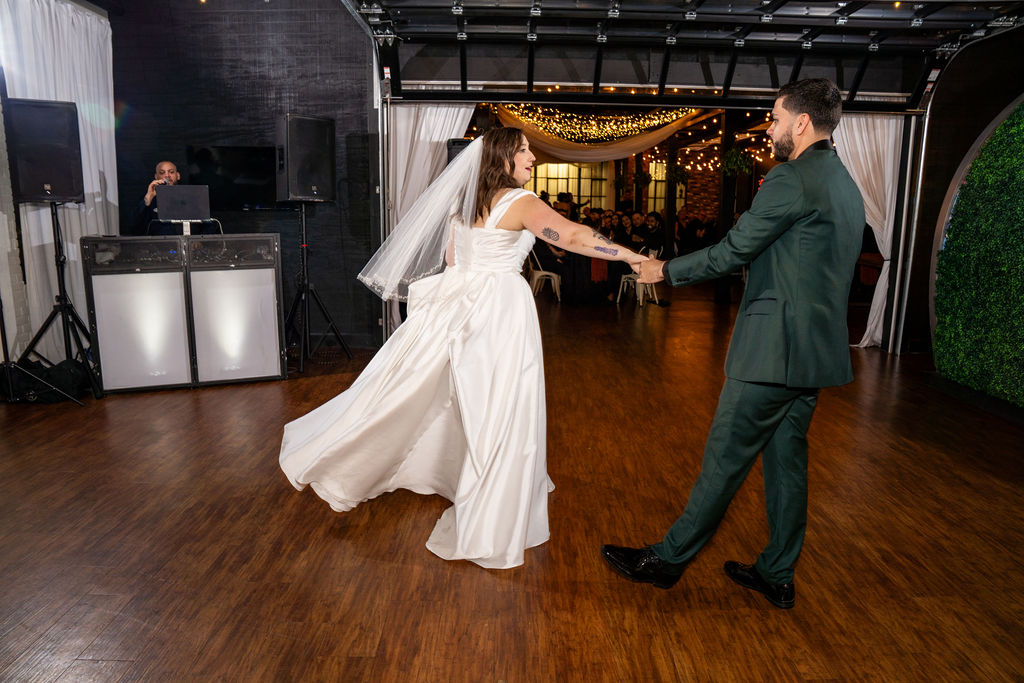
Pixelgroves offers full-day wedding photography and videography packages that include everything that actually affects memory: a full-length film alongside the highlight reel, moment-specific color grading that protects skin tones, raw audio capture for vows, and a curated first-viewing delivery so the moment you see your film becomes part of the story itself. Heirloom album design and second-shooter coverage are available as add-ons for couples who want the most complete record possible.
Packages require a deposit to hold your date, and Florida wedding dates book out well in advance, particularly for spring and fall. View the full portfolio and explore wedding packages to see the editing style in full films, not just reels. When you’re ready to talk through your day, review pricing and availability to take the next step.
Sources
Digital wedding media, memory and recall: qualitative-ethnographic research — PubMed
The Psychology Behind Emotional Wedding Films: Editing Techniques That Work - Cut Pro Media
How Nostalgia Works—And Why Wedding Photos Tap Into It | Canadian Wedding Photographers
Editing Wedding Videos for Emotional Impact | Techniques & Tips
Recommended
Comments