Artistic Wedding Photography Techniques That Tell Your Story
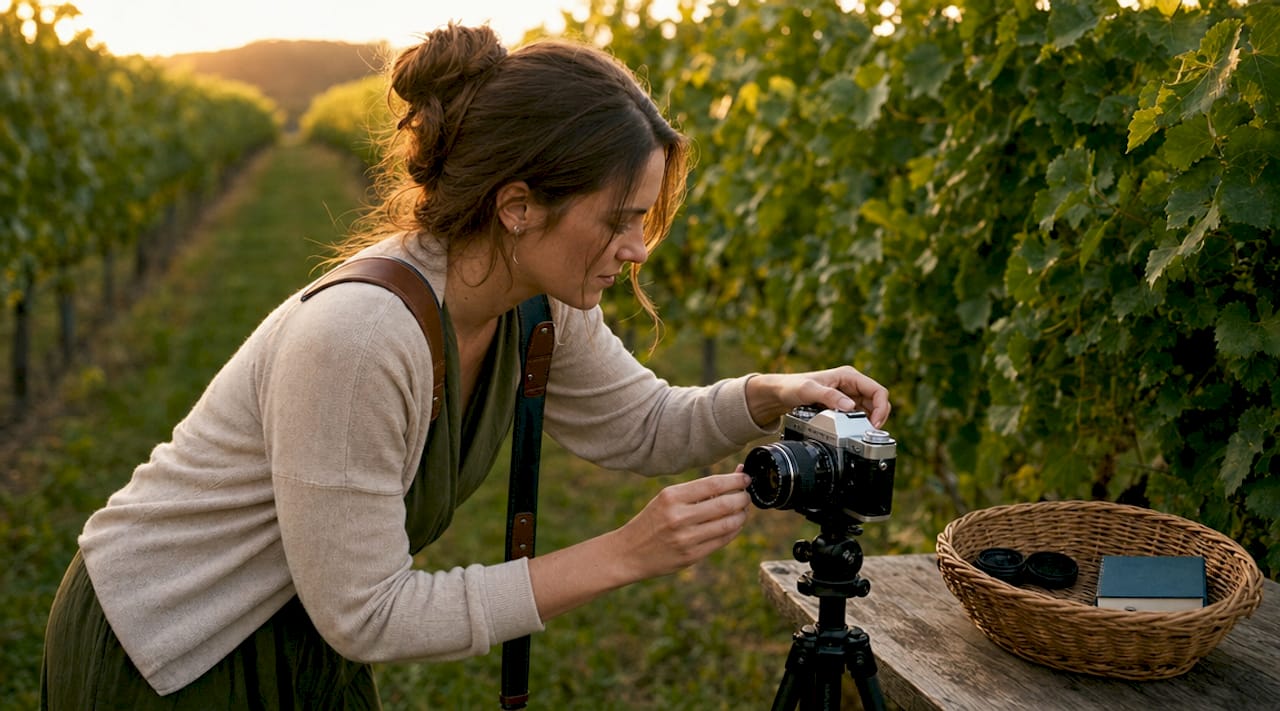
Artistic wedding photography techniques are specialized creative methods that transform wedding images from simple documentation into emotionally charged visual stories. The best photographers combine intentional motion, precise lighting, and deliberate composition to produce photos that feel cinematic, personal, and alive. Techniques like rear-curtain sync flash, editorial candid direction, and fine art composition each contribute a distinct emotional quality to your album. Understanding these methods helps you choose the right photographer and communicate your vision clearly before your wedding day.
1. Intentional motion blur for cinematic storytelling
Motion blur is one of the most misunderstood artistic wedding photography techniques. When done wrong, it looks like a camera malfunction. When done right, it produces images with raw energy and emotional depth that no sharp, frozen frame can replicate.
The key distinction is intentional versus accidental blur. Intentional blur matches the natural energy of the scene. A reception dance floor is the perfect environment because movement is already happening. Forcing blur during a quiet ceremony moment undermines the effect entirely. Motion blur works best when the scene’s energy justifies it, which is why photographers must read the room before choosing this technique.
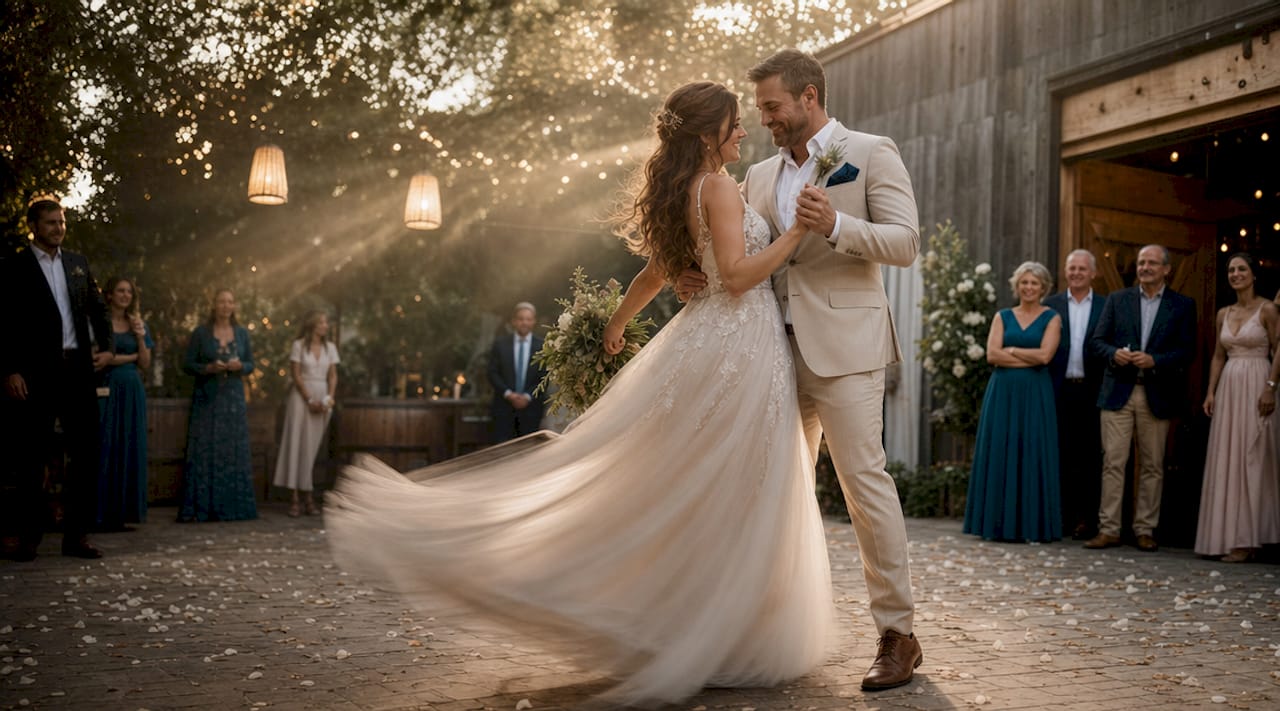
The most technically reliable method for motion blur is rear-curtain sync flash. Most photographers fire flash at the start of an exposure, which creates an unnatural effect where motion trails appear in front of the subject. Rear-curtain sync fires the flash at the end of the exposure instead, producing natural-looking light trails that follow behind the subject. For sparkler exits and dance floor shots, the recommended settings are a shutter speed of 1/8 to 1/30 seconds, an aperture of f/2.8 to f/4, and an ISO of 800 to 1600. These settings let ambient light paint motion while the flash freezes the subject at the final moment.
Converting motion blur images to black and white is a smart finishing move. Color can distract from the movement itself, while black and white focuses the eye on shape, energy, and emotion.
Pro Tip: Deliberate camera shake applied consistently during candid moments like dancing or walking creates a raw, documentary feel. Horizontal or rotational shake repeated with intention reads as an artistic choice rather than a mistake.
Key settings to discuss with your photographer for motion-based shots:
Shutter speed of 1/8 to 1/30 seconds for trailing light effects
Aperture of f/2.8 to f/4 for balanced depth and sharpness
ISO 800 to 1600 for low-light reception environments
Rear-curtain sync enabled on flash units like the Godox V1
2. Lens and lighting choices that shape artistic results
The gear your photographer carries directly determines which artistic techniques are available on your wedding day. Understanding the basics helps you ask better questions during consultations.
Fast lenses like the 35mm f/1.8 and 50mm f/1.8 are the workhorses of artistic wedding photography. Wide apertures allow subject isolation with smooth background blur, which creates the intimate, portrait-quality feel associated with fine art wedding photography. They also perform in low light without forcing the photographer to push ISO to levels that introduce grain.
Flash is a more complicated tool. For beginners or photographers who have not fully mastered off-camera lighting, flash can flatten images and kill the mood. Natural light paired with a fast lens almost always produces more emotionally resonant results in ceremony and portrait settings. When flash is used well, units like the Godox V1 and Yongnuo YN560-IV give photographers precise control over power and direction. Outdoors, a circular polarizing filter reduces glare and deepens sky color, which adds drama to wide environmental shots.
Here is how specific gear choices connect to artistic outcomes:
35mm f/1.8 lens: Wide enough for environmental context, fast enough for low-light ceremonies without flash
50mm f/1.8 lens: Classic portrait compression that flatters faces and isolates subjects beautifully
Sony a7 III with Sigma 35-150mm f/2-2.8: A professional pairing that covers wide storytelling shots through intimate close-ups in one zoom range
Godox V1 flash: Provides round-head light quality that mimics natural light when bounced or diffused
Circular polarizing filter: Cuts reflections on water and glass, deepens outdoor colors, and adds visual richness to venue exterior shots
Pro Tip: Ask your photographer which lens they use most during the ceremony and reception. The answer tells you a lot about their artistic priorities and whether their style matches yours.
3. The editorial candid approach to authentic artistry
Editorial candid photography sits between fully posed portraiture and pure photojournalism. It produces images that look polished and intentional while still feeling genuinely emotional and unscripted. This style is the foundation of most fine art wedding photography you see in publications like Vogue Weddings or Martha Stewart Weddings.
The defining feature of editorial candid work is what photographers call “guided moments.” Rather than placing you in a rigid pose and telling you to smile, a skilled photographer gives you a gentle prompt and then steps back. They might say, “Walk toward the light and talk to each other.” What happens next is real. The composition and light were planned. The emotion was not.
“The best wedding photos are the ones where you forgot the camera was there. That only happens when your photographer knows how to create the conditions for genuine moments rather than perform them.”
This approach requires a specific type of venue and environment to work well. Natural light and architectural character in a venue give editorial candid photography the visual richness it needs. A generic hotel ballroom with flat overhead lighting limits what any photographer can do artistically. A venue with large windows, textured walls, or outdoor garden spaces gives the photographer tools to work with.
What to look for when evaluating a photographer’s editorial candid approach:
Do their galleries show variety in emotion, not just smiling faces?
Are compositions varied, with some tight detail shots and some wide environmental frames?
Do the in-between moments, the glances, the laughs, the tears, feel real or staged?
Does their directing approach lean toward guided prompts or rigid posing?
4. Creative composition techniques that add emotional depth
Composition is where technical skill becomes artistic vision. The difference between a competent wedding photo and a memorable one often comes down to where the photographer placed the subject within the frame.
Off-center compositions that leave negative space around the couple create room for the eye to breathe. They also allow environmental elements like bokeh lights, architectural lines, or natural movement to become part of the story. Off-center subjects with negative space add narrative depth that centered, symmetrical compositions simply cannot achieve.
Detail shots are another underused tool. Tight crops on hands during the ring exchange, feet walking down an aisle, or eyes reflecting emotion during vows tell the story at a human scale. These images work as connective tissue in a wedding album, giving the narrative texture and intimacy between the larger, wider shots.
Here is a direct comparison of compositional approaches and their emotional effect:
Composition style | Emotional effect |
Centered, symmetrical | Formal, timeless, controlled |
Off-center with negative space | Dynamic, cinematic, breathing |
Tight detail crop | Intimate, tactile, emotionally close |
Environmental wide shot | Context, scale, sense of place |
Motion-based framing | Energy, spontaneity, raw feeling |
Pro Tip: Before your shoot, share three to five images you love with your photographer. Not to copy them, but to communicate the emotional tone you want. A photographer who understands your reference points will translate them into original compositions that fit your specific story.
Planned poses that invite natural reactions work far better than rigid direction. Ask your photographer to walk you through a few prompts they use regularly. If their answer sounds like a script, that is a warning sign. If it sounds like a conversation, you are in the right hands.
Key takeaways
Artistic wedding photography techniques work because they combine intentional technical choices with genuine emotional awareness, producing images that feel both crafted and completely real.
Point | Details |
Rear-curtain sync for motion | Fire flash at exposure end to create natural light trails, not unnatural forward streaks. |
Fast lenses over flash | Use 35mm or 50mm f/1.8 lenses for low-light depth and subject isolation without flattening light. |
Editorial candid direction | Guided moments produce authentic emotion within artistically planned compositions. |
Composition variety matters | Mix off-center framing, detail crops, and wide environmental shots for a complete visual story. |
Review full galleries | Highlight reels hide inconsistency. Full wedding galleries reveal a photographer’s true storytelling range. |
What I’ve learned about artistic wedding photography after years of shooting
I have photographed weddings where every technical element was perfect and the images still felt hollow. I have also shot weddings in difficult light with minimal gear where the images stopped people mid-scroll. The difference was never the equipment. It was whether I was paying attention to the story rather than the shot list.
The couples who end up with the most emotionally resonant galleries are the ones who trusted the process. They did not over-direct. They did not spend the portrait session checking their phones or worrying about the timeline. They talked to each other, laughed, and let the light do its work. My job was to be ready when the real moments happened and to frame them in a way that honored what they meant.
One thing I push back on consistently is the idea that more technique equals better photos. Rear-curtain sync, motion blur, and fine art composition are tools. They serve the story. When I see photographers applying blur to every shot or forcing editorial framing onto moments that call for simplicity, the result feels performative rather than personal. The technique should be invisible. The emotion should be what you notice.
My honest advice: when you review a photographer’s work, look at the full wedding gallery, not just the portfolio highlights. Anyone can curate ten stunning images. The question is whether the storytelling holds up across three hundred. That consistency is where real artistry lives.
— Kellie
How Pixelgroves brings these techniques to your wedding day
Pixelgroves has built its reputation on exactly the kind of creative, editorial candid photography this article describes. As the 2025 Best of Florida Wedding Photographer Award winner, Pixelgroves brings technical mastery and genuine storytelling instinct to every wedding it photographs.
[
If you are planning a wedding and want photos that go beyond the standard posed album, Pixelgroves is worth a serious look. Their wedding photography styles page walks you through the specific approaches they use, from fine art portraiture to motion-based reception coverage. You can also explore their full portfolio to see how these techniques play out across real weddings. When you are ready to talk through your vision, scheduling a consultation is the natural next step toward building a gallery that actually looks like your love story.
FAQ
What are artistic wedding photography techniques?
Artistic wedding photography techniques are specialized creative methods including motion blur, rear-curtain sync flash, editorial candid direction, and intentional composition that transform wedding images into emotionally resonant visual stories rather than simple documentation.
What is rear-curtain sync and why does it matter?
Rear-curtain sync fires the flash at the end of an exposure rather than the beginning, producing natural motion trails that follow behind the subject. It is the standard technique for cinematic sparkler exits and dance floor shots.
How do I know if a photographer uses an editorial candid approach?
Ask whether they use guided moments or rigid posing, then review full galleries rather than highlight reels. Consistent variety in emotion, composition, and light across an entire wedding is the clearest sign of genuine editorial candid skill.
What lenses produce the best artistic wedding photos?
Fast lenses like the 35mm f/1.8 and 50mm f/1.8 are the most reliable choices for artistic wedding photography because they perform in low light and create the subject isolation and background blur associated with fine art aesthetics.
Should I choose a venue with natural light for artistic photos?
Yes. Venues with soft directional light, textured surfaces, and architectural character give photographers the raw material they need for editorial candid and fine art work. Generic spaces with flat overhead lighting limit creative options regardless of how skilled the photographer is.
Recommended
Comments