Why Wedding Photography Matters: A Couple's Guide

Wedding photography is the irreplaceable preservation of your wedding day’s emotions, moments, and story in a form that outlasts every other investment you make that day. While the flowers wilt, the cake disappears, and the music fades, your photos remain. They grow more meaningful with every passing year, becoming the primary way you and your family will relive the most significant day of your lives. Understanding why wedding photography matters helps you make smarter decisions during planning, so you invest your budget where it delivers the most lasting return.
Why wedding photography matters more than any other expense
Wedding photography is defined as the professional documentation of your wedding day through images that preserve its emotional truth, not just its visual appearance. That distinction matters more than most couples realize when they are budgeting. Every other major wedding expense, from the venue to the catering, is consumed on the day itself. Your photos are the only thing you take home that grows in value rather than fading.
The significance of wedding photos extends far beyond social media posts or a printed album on your coffee table. Experts describe wedding photos as legacy purchases that prioritize storytelling and relationship-building over aesthetics. Your grandchildren will look at these images. Your children will study them to understand who you were before they existed. That is a different kind of value than a beautiful centerpiece or a five-course dinner.
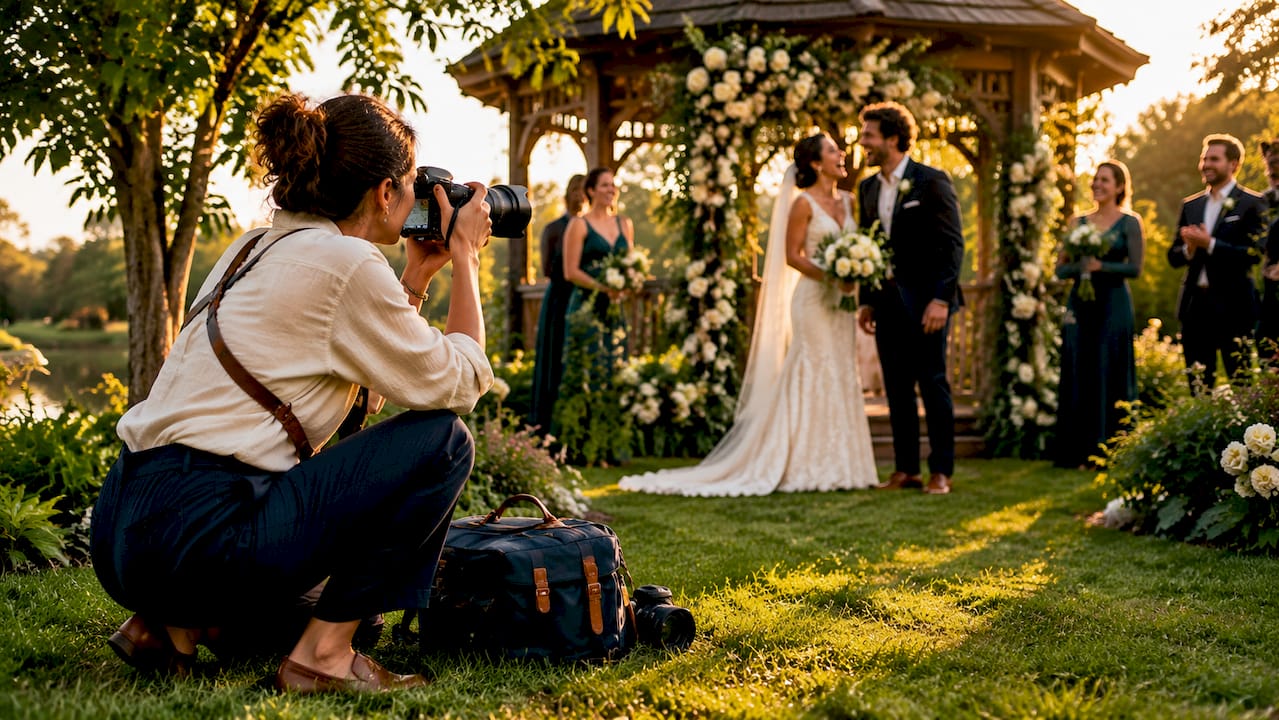
The emotional impact of wedding photography is also deeply personal. Couples consistently report that their wedding day passes in a blur. Professional photography freezes those fleeting moments so you can access them for a lifetime, long after memory fades and details blur together.
How do professional photographers capture moments you will miss?
The wedding day moves fast. You are managing guests, nerves, vows, and a hundred small decisions simultaneously. A professional photographer’s job is to watch everything you cannot watch yourself.
According to photographer Lucie Hamilton, professional photography captures nerves, laughter, and candid interactions that are invisible to the couple in the moment. You will not notice your mother’s expression when you walk down the aisle. You will not see your partner’s face before you do. A skilled photographer anticipates these moments and positions themselves to capture them before they disappear.
The technical skills behind every great shot
Professional photographers bring far more than a good camera to your wedding. They manage shifting light conditions, crowded rooms, outdoor weather changes, and unpredictable timelines. Professionals use specialized equipment and backup systems to mitigate risks that would destroy an amateur’s coverage. Dual memory card slots, backup camera bodies, and off-site cloud storage mean your images survive even if hardware fails.
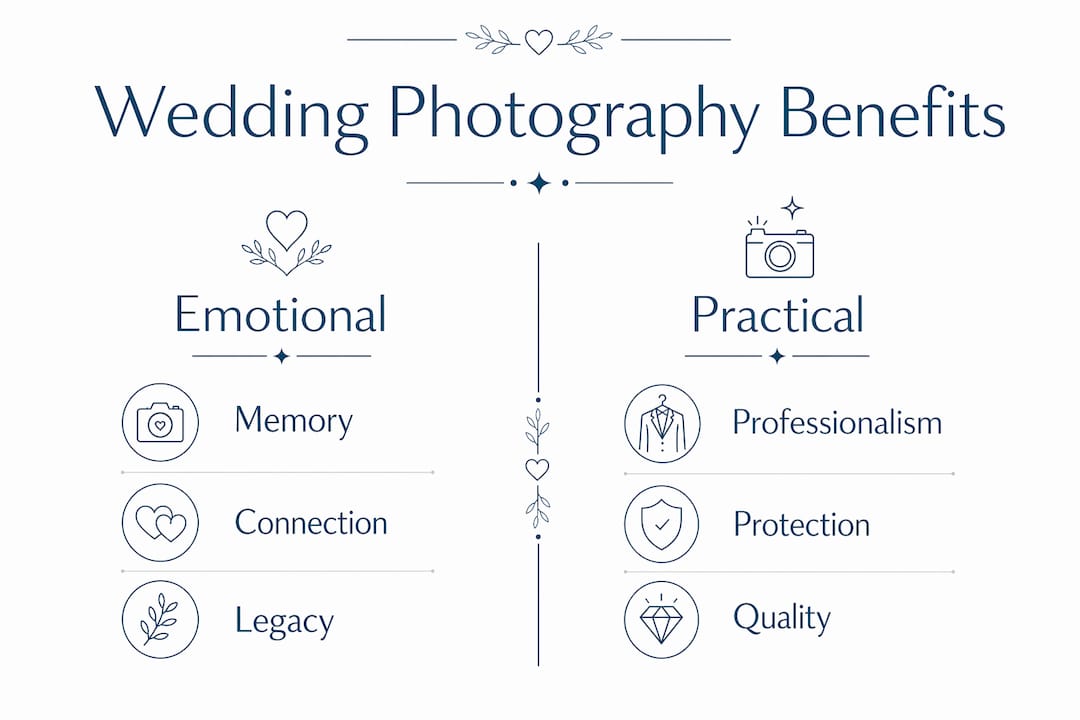
The editing and storytelling process after the wedding is equally important. Raw images become a visual narrative through careful color grading, sequencing, and selection. This craft transforms hundreds of individual shots into a coherent story of your day.
Here is what separates a professional’s full-day coverage from a friend with a nice camera:
Anticipation: Professionals read emotional cues and position themselves before moments happen, not after.
Consistency: They deliver quality images across every lighting condition, from a bright outdoor ceremony to a dim reception hall.
Backup systems: Multiple backup systems and insurance policies protect your images from rare but catastrophic failures.
Post-production: Hours of editing transform raw files into a finished gallery that tells your story with intention.
Legal protection: Clear contracts define ownership, usage rights, and delivery timelines so there are no disputes later.
Pro Tip: Ask to see a photographer’s full gallery from a recent wedding, not just their portfolio highlights. True quality shows up in consistency across full galleries shot in difficult lighting, not in the ten best images from their best day.
Is wedding photography worth the investment compared to other costs?
The honest answer is yes, and the comparison makes the case clearly. Most wedding expenses are transient by nature. You pay for an experience that lasts a few hours. Photography is the only category where the product you receive appreciates in sentimental value over decades.
Consider what happens to each major wedding expense after the day ends. The floral arrangements are composted. The catering is digested. The DJ’s playlist is forgotten. Your photos, however, become family history viewed for decades. They are passed down, framed, and revisited at anniversaries, family gatherings, and moments of grief when you want to remember someone you have lost.
Wedding Investment | Lifespan After the Day | Value Over Time |
Flowers and decor | Hours to days | None |
Catering and cake | Consumed same day | None |
DJ or band | Ends at last song | None |
Wedding dress | Stored, rarely revisited | Sentimental only |
Professional photography | Decades and beyond | Increases with time |
Professional photographers also provide contractual protections that amateurs cannot offer. A signed agreement defines exactly what you will receive, when you will receive it, and what happens if something goes wrong. That legal clarity protects you from the very real risk of losing your images entirely.
Pro Tip: Never hire a photographer without a written contract that specifies the number of edited images, delivery timeline, image rights, and a backup plan in case of illness or emergency. Verbal agreements offer zero protection.
What wedding photography styles should you consider?
Wedding photography style is the visual language your photographer uses to tell your story. Choosing the right style is not about trends. It is about matching the approach to your personality, your wedding atmosphere, and the emotions you want to remember.
Here are the four most common styles and what each one emphasizes:
Documentary or photojournalistic: The photographer observes without directing. Images feel raw, real, and emotionally honest. This style works best for couples who want their day captured exactly as it happened, without staging.
Traditional or classic: Structured, posed portraits with clean compositions. This approach prioritizes timeless images that families recognize and appreciate across generations.
Editorial or artistic: Heavily influenced by fashion and fine art photography. Images are visually striking and often use dramatic light, creative angles, and deliberate staging. Best for couples who want images that feel cinematic.
Candid or lifestyle: A blend of documentary and light direction. The photographer guides you naturally into moments rather than posing you formally, creating images that feel authentic but are subtly crafted.
Your wedding photography style choice should reflect how you actually feel about being photographed. If you are uncomfortable in front of a camera, a documentary approach will serve you better than a heavily posed editorial session. If you have a strong visual aesthetic for your wedding, an artistic photographer will translate that into images that match your vision.
The emotional impact of each style is real. Documentary images tend to produce the most tears when couples review their galleries because they capture truth. Artistic images produce the most admiration. Traditional images produce the most recognition from older family members. Most couples benefit from a photographer who blends two or more of these approaches.
How do you choose and work with your wedding photographer?
Selecting a wedding photographer is one of the most consequential decisions in your planning process. The practical steps below help you avoid the most common and costly mistakes.
Review full galleries, not just highlights. A photographer’s portfolio shows their best work. Their full galleries show their real work. Request to see complete coverage from two or three recent weddings before you book.
Clarify deliverables in writing. Your contract should specify the number of edited images, the file format, the delivery method, the timeline, and your rights to print and share the images. Ambiguity here creates disputes later.
Build your timeline around photography. Work with your photographer to build a realistic day-of schedule. The most common mistake couples make is under-allocating time for portraits, which forces the photographer to rush and miss key moments.
Meet before you book. The relationship between you and your photographer directly affects how relaxed you look in your photos. If you feel awkward or uncomfortable with someone during a consultation, that tension will show up in every image.
Avoid choosing by price alone. Budget photographers often lack the backup systems, experience, and contracts that protect you. The experience behind the lens matters far more than the gear they carry.
Professionals also adapt to event flow in real time, managing shifting timelines and weather without distracting you. That adaptability is a skill built over years of shooting weddings, not something you can replicate by hiring a talented friend.
Key takeaways
Wedding photography is the only wedding investment that grows in sentimental value over time, making it the most important financial decision you will make during your planning process.
Point | Details |
Photography outlasts every other expense | Photos become family heirlooms while flowers, food, and music are gone the same day. |
Professionals capture what you will miss | Skilled photographers anticipate candid moments you cannot see while living through your day. |
Backup systems protect your memories | Dual cards, backup bodies, and cloud storage prevent catastrophic image loss. |
Style choice affects emotional impact | Match your photography style to your personality and wedding atmosphere for the most authentic results. |
Contracts are non-negotiable | Written agreements protect deliverables, rights, and timelines before anything goes wrong. |
What 15 years behind the lens taught me about wedding photos
I have photographed hundreds of weddings, and the couples who feel the most satisfied years later share one thing in common. They chose their photographer based on trust and storytelling ability, not price or a handful of beautiful images on Instagram.
The couples who express regret almost always made the same mistake. They hired someone cheaper, or they relied on a talented friend, and they ended up with gaps in their coverage. The first dance is blurry. The ceremony shots are dark. The candid moments from the cocktail hour simply do not exist. You cannot go back and reshoot a wedding. That is a loss that compounds every anniversary.
What I find most moving about this work is how the significance of wedding photos reveals itself slowly. Couples are often underwhelmed when they first receive their gallery because they are still emotionally close to the day. Five years later, they send messages saying those images are the most important thing they own. Ten years later, they are showing them to their children. Twenty years later, they are the only record of people who are no longer alive.
Photography is not a service you consume on your wedding day. It is a document you are creating for your future self and for the people who come after you. Treat it like the legacy investment it actually is.
— Kellie
Let Pixelgroves tell your wedding story
[
Pixelgroves brings years of award-winning expertise to every wedding, combining deep storytelling craft with the technical reliability that protects your memories. As the 2025 Best of Florida Wedding Photographer Award recipient, Pixelgroves delivers personalized coverage that captures every genuine emotion, from quiet pre-ceremony moments to the last song of the night. Every couple receives a tailored experience built around their unique story. Explore the full range of wedding photography styles available, review pricing and packages, and see the work firsthand in the portfolio. Your wedding deserves a team that treats every frame as part of your legacy.
FAQ
Why does wedding photography matter more than other vendors?
Wedding photography is the only vendor product that lasts beyond the wedding day. Every other expense is consumed during the event, while photos become a permanent family record that grows in meaning over decades.
What should i look for in a wedding photographer’s portfolio?
Request full galleries from recent weddings, not just highlight images. True quality shows in consistent coverage across all lighting conditions and moments throughout the entire day.
How does a professional photographer protect my images?
Professionals carry backup camera bodies, dual memory cards, and use off-site cloud storage. They also provide written contracts that define deliverables, rights, and contingency plans in case of equipment failure or emergency.
Which wedding photography style is right for us?
Choose documentary or candid styles if you want authentic, unposed images. Choose traditional or editorial styles if you want structured portraits or cinematic visuals. Most couples benefit from a photographer who blends approaches based on your comfort level and wedding atmosphere.
How early should we book our wedding photographer?
Book your photographer as soon as your venue and date are confirmed, ideally 12–18 months in advance for peak wedding season dates. Top photographers fill their calendars quickly, and waiting risks losing your preferred choice entirely.
Recommended
Comments