Destination Wedding Photography: What Couples Need to Know
- 7 minutes ago
- 7 min read
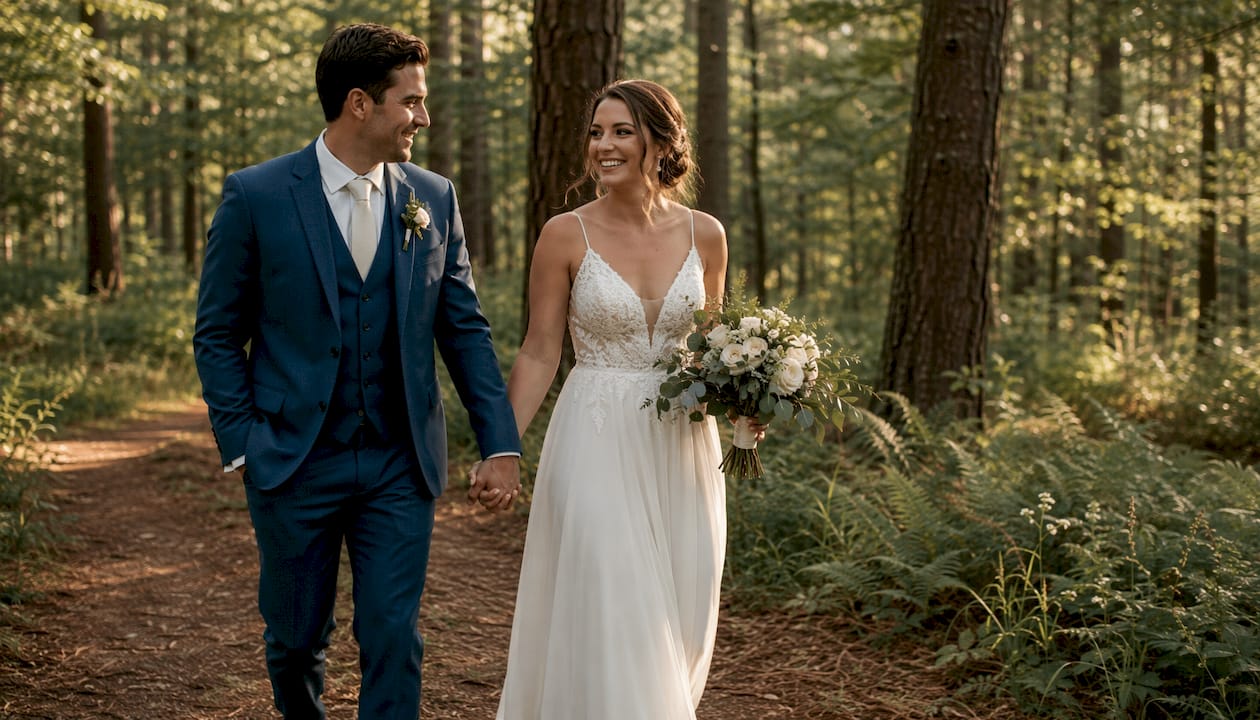
What is destination wedding photography?
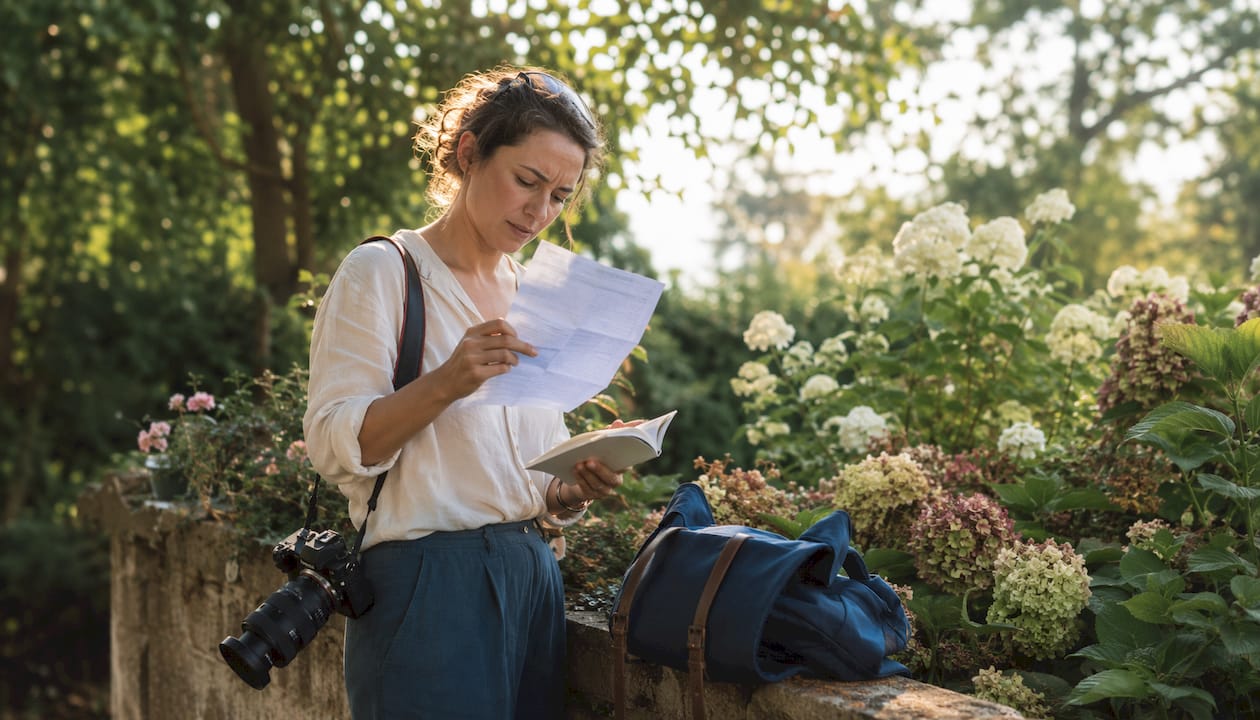
Destination wedding photography is the practice of hiring a professional to travel to your wedding location, often internationally, to document your celebration away from their home city. The photographer isn’t just someone with a camera on a plane. They’re a problem-solver, a storyteller, and a logistics expert who knows how to work in environments they’ve never seen before.
What sets this niche apart from standard wedding photography comes down to a few core realities:
The photographer must adapt to unfamiliar light, weather, and terrain on the fly
Travel, permits, and cultural context become part of the job description
The location itself becomes a character in your wedding story, not just a backdrop
Couples typically invest more, but receive coverage that’s deeply tied to the place they chose
The result, when done well, is a wedding album that feels like a film. You see the cliffs of Santorini or the jungle light of the Riviera Maya woven into every frame, not just the faces.
What makes destination wedding photography uniquely challenging
Shooting a wedding in an unfamiliar country is genuinely hard. The challenges aren’t dramatic, but they stack up fast, and a photographer who hasn’t planned for them will show it in the final gallery.
Variable lighting and weather: Beach sun at noon is brutal. Mountain fog rolls in without warning. A skilled destination photographer knows how to work with unpredictable conditions rather than fight them.
Legal permits and photography fees: Many venues and public spaces require commercial photography permits. Researching these at least eight weeks before the wedding prevents a guard stopping the ceremony mid-shot.
Equipment management: Airlines lose luggage. Experienced photographers keep their most critical gear in a carry-on, aim for under 10 kg total, and use weather-sealed bodies for humid or coastal environments.
Time zone adjustment: Jet lag affects judgment and reaction time. Arriving 1–2 days early lets photographers reset their internal clock before the wedding day.
Cultural sensitivity: Respecting local customs and understanding multicultural wedding traditions isn’t optional. It’s what separates authentic storytelling from generic travel photography.
Work authorization: Receiving payment in a foreign country often requires a temporary work permit. This varies by country and needs to be confirmed well in advance.
Pro Tip: Ask any photographer you’re considering how they handle permit research. Vague answers are a red flag. A seasoned pro will tell you exactly how far out they start the process and which countries they’ve navigated before.
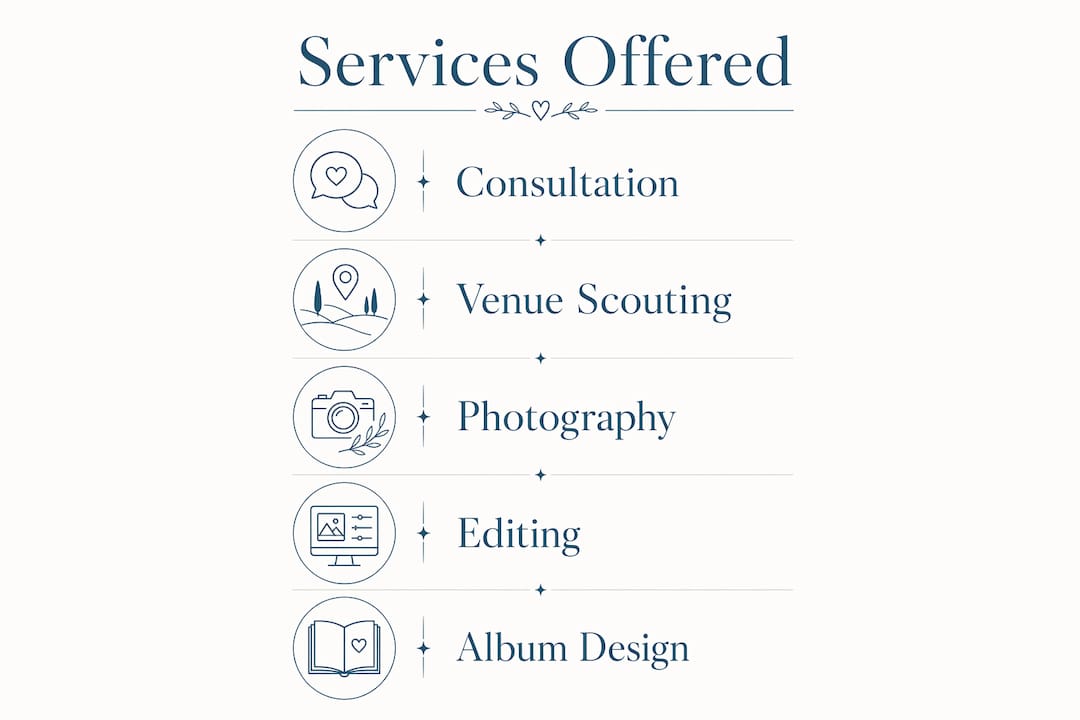
What services does a destination wedding photographer typically offer?
The coverage goes well beyond the ceremony itself. Destination photographers typically document the full arc of your wedding weekend, which often spans multiple days and events.
Welcome parties and rehearsal dinners: The weekend usually starts before the ceremony, and those candid moments deserve coverage too.
Ceremony and reception: Full-day coverage from getting ready through the final send-off.
Adventure or post-wedding shoots: A post-wedding shoot lets you explore the destination more freely, without the packed schedule of the wedding day. Cliffside portraits, local markets, quiet beaches at sunrise. These images often become the most memorable.
Curated photo galleries and albums: Delivered digitally, sometimes with print album options depending on the package.
Pre-wedding consultation and planning sessions: Good photographers spend real time understanding your timeline, your venue layout, and your priorities before they ever board a plane.
Vendor coordination: Experienced destination photographers communicate directly with your planner, florist, and venue staff to keep the day running on schedule.
The scope varies by photographer and package, so always confirm what’s included before signing a contract.
How to choose the right destination wedding photographer
The search process looks different than hiring a local photographer. You’re not just evaluating style. You’re evaluating someone’s ability to travel, adapt, and deliver under pressure.
Review full galleries, not highlight reels. Ten perfect images tell you nothing. A complete wedding gallery shows you how they handle midday light, low-light receptions, and family portraits that don’t look stiff.
Ask about destination-specific experience. Even if they haven’t shot your exact venue, they should speak confidently about the region’s environment, local regulations, and how weather typically affects timelines there.
Check communication responsiveness. You’ll be coordinating across time zones. A photographer who takes a week to reply to an inquiry won’t get easier to reach once you’ve paid a deposit.
Look for awards and testimonials. Recognition from industry organizations and genuine client feedback signal consistency, not just occasional brilliance.
Understand the contract details. Confirm what happens if a flight is canceled, who covers accommodation, and what the cancellation policy looks like. These aren’t pessimistic questions. They’re practical ones.
Consider whether to hire local or bring someone from home. A local photographer brings deep familiarity with the region. A photographer you already love brings consistency of style and a relationship you’ve already built. Both approaches work. The right choice depends on your priorities.
For couples planning a beach celebration, a beach wedding photography checklist can help you think through what to ask and what to prepare before the first consultation.
What does destination wedding photography cost?
Pricing starts at a base fee for standard coverage, with photography fees separate from travel and permit costs. Travel, accommodation, and local permits are separate line items.
Base photography fee: Typically $4,000 and up, depending on the photographer’s experience and the length of coverage.
Travel and accommodation: Flights, hotels, and sometimes meals are billed separately or bundled into a travel package. Many photographers prefer to book their own travel to control logistics.
Second shooters: Adding a second photographer costs less than a full additional hire, but it meaningfully expands coverage, especially at larger venues.
Permit fees: These vary by location and venue type. Budget for them separately and confirm costs early.
Tipping: Tipping photographers around 10% of their rate, or a minimum of $100, is common practice. Second shooters typically receive a smaller gratuity.
Premium locations and luxury photographers: Iconic destinations and award-winning photographers push total costs considerably higher.
The honest answer is that destination wedding photography is a premium service. Couples who treat it as a budget line to trim often regret it. The flowers are gone by Monday. The photos stay forever.
How destination wedding photography differs from local coverage

The differences aren’t just logistical. They shape the entire experience and the final images.
Local photographers know every venue in their city. They’ve shot the same chapel in every season, at every time of day. That familiarity is genuinely useful. But destination photographers bring something different: fresh eyes and the ability to see beauty that familiarity can dull.
A destination specialist also carries more advance planning into every job. Scouting the venue at the actual ceremony hour, building relationships with local vendors, and understanding the rhythm of an unfamiliar place. These aren’t extras. They’re the baseline.
The guest list at destination weddings also tends to be smaller, which means the emotional stakes per person are higher. Toasts run longer. Hugs last longer. A photographer shooting from a journalistic perspective captures those moments differently than someone working through a standard shot list.
Finally, the storytelling emphasis shifts. Location becomes narrative. The way light falls through a Tuscan window, the texture of a cobblestone street, the color of the water. These details carry meaning when they’re woven into the images intentionally. For creative approaches to artistic wedding storytelling, the technique matters as much as the location.
Expert insights on what great destination wedding photography looks like
The photographers who do this work at the highest level share a few consistent habits.
“Their story and personalities, building trust, understanding the architectural features of the venue, working with different lighting situations, having the experience and skills of executing a photography vision — everything plays a big part when it comes to extraordinary storytelling and we allow ourselves to get inspired by all of it.” — Los Ebano, via The Lane
Beyond vision, the logistics are where great photographers separate themselves from good ones.
Arrive early and scout at ceremony light. Arriving 1–2 days before the wedding gives photographers time to walk the venue at the exact hour the ceremony will happen, assess sun position, and identify the best angles before the day itself.
Pack with military precision. Weather-sealed gear, carry-on only, labeled cables and chargers, silica gel for humid environments. Every item earns its place in the bag.
Secure permits proactively. Countries like Italy and Mexico have specific rules around commercial photography. Waiting until the week before the wedding is not a strategy.
Build in time buffers. A 30-minute cushion between location shifts, 15 minutes after cocktail hour to back up memory cards, and a weather buffer at sunrise. These aren’t luxuries. They protect your images.
Respect cultural customs. Destination photographers who work with multicultural weddings understand that capturing a Hindu ceremony, a Catholic mass, or a traditional Mexican celebration each requires different knowledge and different sensitivity.
For couples getting married at golden hour, sunset portrait tips can help you understand what your photographer needs from you to make those shots work. And if you’re preparing for photography in a warm or humid climate, taking care of your skin beforehand matters too. A pre-wedding facial routine designed for brides in challenging climates can make a real difference in how you look and feel in front of the camera.
Thinking about booking a destination wedding photographer?
Pixelgroves brings award-winning storytelling to weddings across Florida and beyond, with the 2025 Best of Florida Wedding Photographer Award reflecting a consistent standard of work that couples trust. Whether your wedding is on a beach, in a garden, or somewhere far from home, the team understands how to make the location part of your story.
[

Explore wedding photography styles or review pricing and packages to find the right fit for your celebration.
Key Takeaways
Destination wedding photography rewards couples who plan early, choose photographers with genuine travel experience, and treat the location as a storytelling tool, not just a setting.
Point | Details |
Pricing starts at $4,000 | Base photography fees begin around $4,000, with travel and permits billed separately. |
Arrive early matters | Photographers who arrive 1–2 days before the wedding scout venues at ceremony light and adjust to time zones. |
Permits require lead time | Research local photography permits at least eight weeks out to avoid disruptions on the wedding day. |
Post-wedding shoots add depth | A shoot after the wedding day captures local scenery and relaxed moments the packed ceremony schedule rarely allows. |
Tipping is standard | Tipping around 10% of the photographer’s rate, or a minimum of $100, is common practice in the industry. Second shooters usually receive a smaller gratuity. |
Recommended
Comments