Why Music Selection Matters for Your Wedding Video
Updated: 2 days ago

The music in your wedding video does more than fill silence. It decides how you feel when you watch it ten years from now. The right soundtrack turns footage into memory, shapes the emotional arc of the entire film, and tells your love story in a way that visuals alone simply cannot. Get it wrong, and even beautifully shot footage can feel flat or disconnected.
Here is what music does in a wedding video, specifically:
It drives emotional pacing, pulling viewers through anticipation, tenderness, and joy in the right order.
It creates narrative continuity, connecting ceremony, vows, first dance, and reception into one cohesive story.
It shapes how viewers remember the day, not just how they watch it.
It works with the edit, not alongside it. Music and visual cuts must agree on pace before either can work.
Why music selection matters in wedding videos
Music in wedding videography is not background filler. An analysis of 132 publicly available wedding videos confirms that music provides narrative continuity, propulsive rhythm, and communicates emotional intensity central to the wedding ritual itself. The musical soundtrack services functions that visuals alone cannot: it undergirds the imagery and mediates the emotional display that sits at the heart of the modern wedding film.
Think of it this way. A shot of a bride reading her vows can look beautiful. But the music underneath that shot determines whether a viewer feels moved to tears or simply observes the moment from a distance. The same footage, two different songs, two completely different experiences.
Professional videographers and academic research agree: music is a foundational storytelling element, not a finishing touch. It provides the rhythm and emotional depth that make wedding videos evocative artifacts worth revisiting for decades.
How to match music tempo to each part of the wedding day
One song cannot carry an entire wedding film. The ceremony has a held-breath quality. The reception wants to move. The vows are intimate. If a single track tries to cover all of that, it either fights the footage or flattens it. Thinking in sections and choosing music that serves each one is what actually works.
Here is how the professionally recommended BPM ranges break down by segment:
Ceremony: Slow, instrumental, 60–75 BPM. Lyrics compete with visuals the way someone talking in a cinema does. A single piano or light orchestral texture gives the footage room to breathe.
Vows: Near-silent or minimal, 55–70 BPM. The music is pulled down almost entirely, sometimes fading it out completely, so the couple’s actual words carry the moment.
First dance: Typically follows the couple’s chosen song tempo, or a romantic track in the 75–95 BPM range if they have no preference, to keep forward movement and avoid a static feel.
Reception: Upbeat, 100–125 BPM. Something with momentum that drives the edit rather than sitting passively under it.
Instrumental music is almost always the better choice for ceremony scenes. Lyrics carry meaning that competes with what the viewer is watching, turning words into noise rather than support.
Pro Tip: Give your videographer “vibe” guidance rather than a strict song list. Describing the feeling you want (“warm and cinematic,” “joyful and light”) gives the editor flexibility to find tracks that actually serve the footage, rather than forcing a song that fights it.
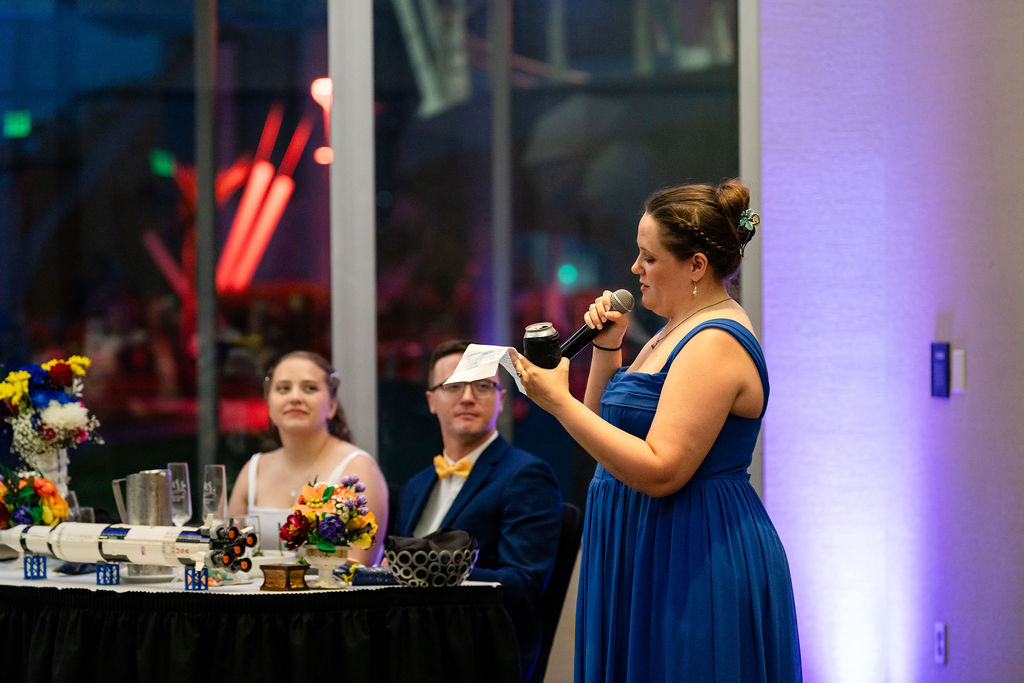
For a highlight reel, two or three tracks edited together creates a natural emotional arc. Using multiple tracks strategically avoids the flattened or conflicting moods that come from asking one song to carry five or six distinct emotional phases.
Common misconceptions about wedding video music
The biggest misconception couples bring to this conversation is that there is one perfect song for the whole video. There is not. A wedding film has distinct emotional phases, and each phase wants a different sonic temperature. One track can carry one mood well. Five or six moods need five or six different answers.
A second misconception: music is chosen after editing. In reality, music and editing are a unified creative process. A mismatch between song tempo and visual cut rate produces jarring or rushed effects. If you are making quick cuts of one to two seconds per clip, a slow BPM track will feel unmoored. If you are holding shots longer, a fast track will feel rushed. The music and the edit must agree on pace from the start.
A few other pitfalls worth knowing:
Overpowering spoken moments. Any scene with vows, toasts, or an officiant speaking needs music underneath it, not competing with it. Drop it 15–20dB and bring it back slowly, over five to eight seconds, after the spoken moment resolves.
Generic-sounding tracks. “Stock-sounding” is a real thing. Tracks that clearly come from a library of interchangeable pieces read as exactly that.
Copyright problems. Music licensing compliance is not optional. Using copyrighted tracks without clearance can restrict where and how your video is shared online. Royalty-free or properly licensed music protects your ability to post, share, and keep the video accessible for years.
Understanding audio’s role in wedding films goes beyond just picking a song. Sound design, fader riding, and layered audio all contribute to the final emotional experience.
How Pixelgroves approaches music selection for your story
Pixelgroves treats music curation as part of the storytelling process, not an afterthought. Every wedding film is built around the couple’s specific emotional arc, and music selection happens in conversation with the edit from the beginning, not at the end when the footage is already locked.
The team holds the 2025 Best of Florida Wedding Photographer Award, and that recognition reflects a broader commitment: no moment overlooked, no soundtrack chosen carelessly. The wedding videography process at Pixelgroves is collaborative. Couples share what they love, what they want to feel when they watch the film back, and what music already means something to them. That input shapes the entire sonic approach.
Pro Tip: When you meet with your videographer, bring a short playlist of songs that feel like “you” as a couple, even if none of them end up in the final film. That playlist tells the editor more about your tone and personality than any brief description can.
Music sets the mood for every wedding moment, and Pixelgroves builds that understanding into every project from the first consultation.
What impactful music choices actually look like
A delicate piano piece under a shot of a handwritten letter makes the moment feel intimate in a way that a full orchestral score would overwhelm. An indie-pop track over a reception montage of laughter and candid dancing turns the sequence into something that feels genuinely celebratory rather than just documented. These are not abstract ideas. They are the practical difference between a video you watch once and one you return to every anniversary.
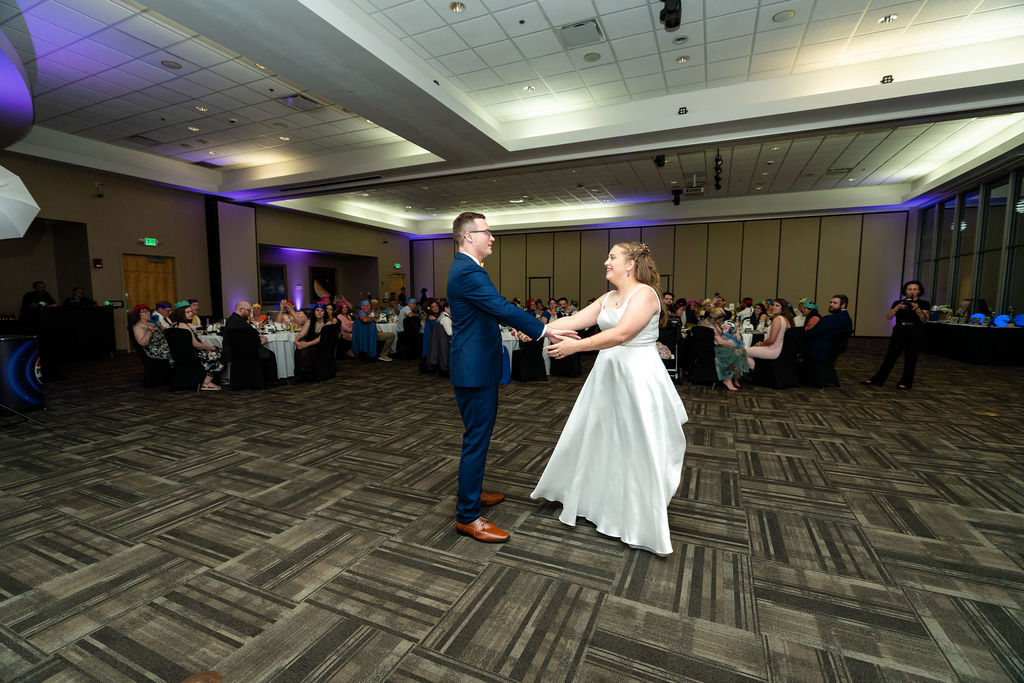
The right soundtrack can transform a simple wedding video into a cherished family heirloom by emotionally connecting viewers through carefully curated music. A cinematic ambient piece used during a first look adds depth and intimacy that a traditional romantic track might overpower. A mellow, understated track during the getting-ready sequence can feel more authentic and personal than a song that announces itself.
The pattern across impactful choices is consistent: the music disappears into the moment rather than anchoring it to something else. When a song works, viewers do not notice it. They just feel what the filmmaker intended them to feel. That is the goal, and it is why music matters for wedding memories in a way that no other production element can replicate.
Music selection is the single most powerful tool in wedding videography. Choose it with the same care you gave your venue, your flowers, and your vows. If you want a film that feels like you, start that conversation early with your videographer.
[
Pixelgroves brings award-winning expertise and a genuinely personal approach to every wedding film. Explore photography and video packages built around your story, or browse wedding photography styles to see how visuals and music come together in every project.
Key Takeaways
Music is the single most powerful storytelling tool in a wedding video, and choosing it thoughtfully is what separates a film you revisit from footage you archive.
Point | Details |
Music drives emotional pacing | It shapes how viewers feel through each segment, not just how the footage looks. |
Match tempo to each segment with the professionally recommended pacing ranges for ceremony (60–75 BPM), vows (55–70 BPM), first dance (75–95 BPM), and reception (100–125 BPM). | |
Music and editing are one process | A mismatch between cut rate and song tempo produces jarring or rushed results. |
Use multiple tracks rather than a single song | Multiple tracks create a natural emotional arc; one song flattens or fights distinct moods. |
License your music properly | Royalty-free or cleared tracks protect your ability to share the video online for years. |
Recommended

Comments