Wedding Videography Styles Types: Your Complete Guide
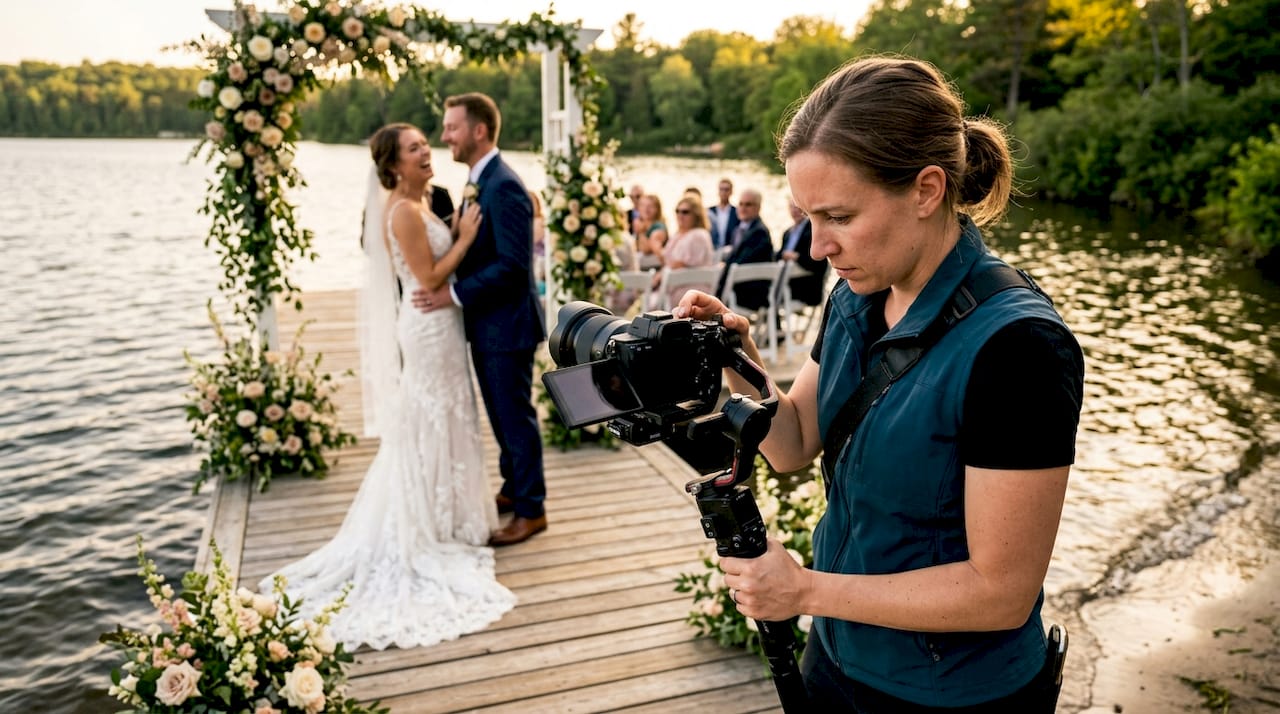
Wedding videography styles types define how your love story is told on film, shaping everything from pacing and music to lighting and editing choices. The five core approaches recognized by industry professionals are cinematic, documentary, editorial, storytelling, and social highlight reels, each with distinct emotional tones and technical signatures. Choosing the wrong style means watching a film that feels like someone else’s wedding. Choosing the right one means a video you will replay for decades. This guide breaks down every major style, compares them side by side, and gives you the tools to make a confident decision before you book.
1. what are the main wedding videography styles types?
Wedding videography, as a craft, splits into two layers: how footage is captured on the day and how it is edited afterward. Understanding both layers is the foundation of choosing well. A videographer can shoot documentary style on the day but edit with cinematic pacing in post-production. Those two choices produce very different results.
The five primary categories are:
Cinematic: Emotion-driven, music-paced, visually dramatic
Documentary: Chronological, natural audio, unobtrusive coverage
Editorial/Fine Art: Fashion-influenced, curated framing, gentle direction
Storytelling/Narrative: Interview-driven, crafted arc, blends cinematic and documentary
Social Highlight Reels: Short-form, shareable, designed for Instagram or TikTok
Each style serves a different couple. A pair who wants to feel the emotion of their first dance will lean cinematic. A couple who wants to hear every word of their grandmother’s toast will lean documentary. Knowing what you want to feel when you watch your video is the first question to answer.
2. cinematic wedding videography: emotion on screen
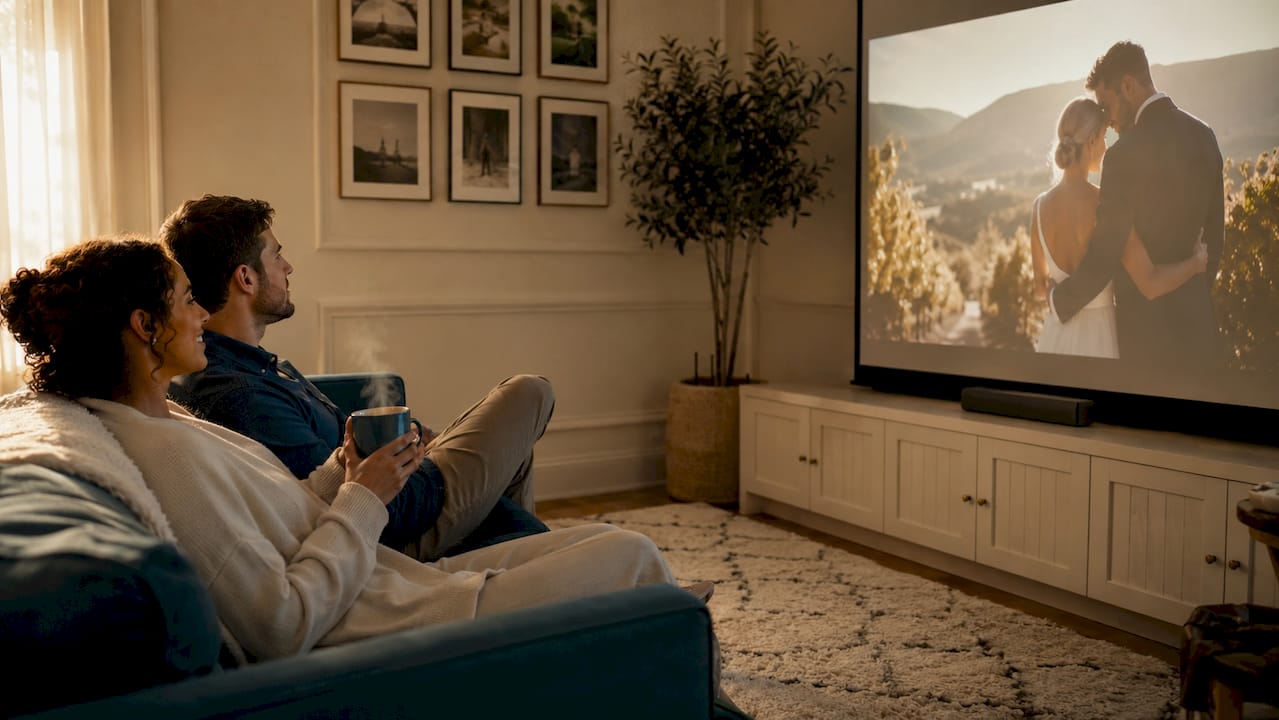
Cinematic wedding videography is the most requested style today. It uses music-driven pacing, warm color grading, and gimbal-stabilized camera moves to create a film that feels romantic and rewatchable. Think of it as a movie trailer for your wedding day, built around emotional peaks rather than a strict timeline.
Key features of the cinematic approach include:
Non-linear editing: Scenes are reordered for emotional impact, not chronology
Color grading: Warm, golden tones that heighten romance and visual appeal
Music selection: Licensed tracks or original scores timed to key moments
Camera movement: Sliders, gimbals, and drones for sweeping, dramatic shots
Selective audio: Natural sound is layered under music rather than featured prominently
The style varies significantly between videographers. Cinematic refers to both shooting techniques and editing choices, and not every videographer executes both equally well. One editor may produce lush, magazine-quality color grades while another delivers flat, over-saturated footage labeled the same way.
Pro Tip: Always request a full-length cinematic edit from a videographer, not just a highlight reel. Listen closely to how they handle audio under the music. If natural sound disappears entirely, you may lose your vows and speeches in the final product.
3. how documentary wedding videography preserves real moments
Documentary wedding videography is the “fly on the wall” approach. The videographer captures events as they unfold, preserving full vows and speeches with real room audio and minimal artistic intervention. Nothing is staged. Nothing is reordered. What happened is what you get.
This style is ideal for couples who:
Want to hear every word of their ceremony and speeches exactly as delivered
Prefer a natural, unposed record over a polished production
Have guests or family members whose reactions and words matter deeply
Value authenticity over visual drama
The contrast with cinematic is sharp. Documentary editing follows a chronological structure, and the pacing is driven by the event itself rather than a music track. The result is longer, more complete, and less visually stylized. A documentary edit of a full wedding day can run 1–3 hours, compared to a cinematic highlight reel of 5–8 minutes.
Documentary style works especially well for intimate ceremonies, cultural weddings with significant rituals, and couples who know they will want to share the full footage with family members who could not attend. The trade-off is that the final product requires more patience to watch than a cinematic edit. The reward is a complete, honest record of the day.
4. what defines editorial or fine-art wedding videography?
Editorial wedding videography is styled after fashion films and luxury magazines. It uses clean framing, intentional aesthetics, and gentle direction to produce footage that looks like it belongs in Vogue or Martha Stewart Weddings. The videographer may ask you to walk toward the light or adjust your position slightly, but the goal is always to make the moment look effortless.
What sets editorial apart from cinematic:
Composition first: Every frame is treated like a photograph, with deliberate negative space and symmetry
Gentle direction: Minimal posing, just enough to optimize the visual without stiffness
Restrained color grading: Clean, airy tones rather than heavy warm filters
Luxury feel: The final product feels elevated without feeling staged
Editorial style achieves an elevated but natural feel by using direction only when it genuinely improves the composition. This balance is harder to execute than it sounds. Many videographers claim editorial credentials but deliver inconsistent results when lighting changes from golden hour to a dim reception hall.
Vetting tip: Request full event videos shot in at least three different lighting conditions from any videographer claiming fine-art or editorial style. Golden hour footage is easy to make beautiful. Consistent quality indoors under mixed artificial light is the real test of editorial skill.
5. storytelling narrative style: your wedding as a film
Storytelling wedding videography builds a narrative arc around your relationship. It incorporates couple interviews or audio clips woven through the wedding footage to create a film that explains who you are, not just what happened. The result sits between cinematic and documentary, borrowing visual polish from one and authentic audio from the other.
A storytelling video might open with a recorded conversation about how you met, then cut to the ceremony, then return to a clip of you describing what the day meant. This structure gives the film emotional context that pure cinematic editing cannot provide. Couples who have a strong personal story or a long-distance romance often find this style resonates most deeply.
The format works best when the videographer conducts a pre-wedding interview or records a private audio session with the couple. That raw material becomes the spine of the final film. Without it, the style collapses into standard cinematic editing with a few speech clips layered in.
6. social highlight reels, super 8, and traditional styles
Beyond the four primary styles, three additional formats serve specific needs and deserve consideration when planning your coverage.
Social Highlight Reels are compact, shareable videos running 30–90 seconds, designed for Instagram Reels, TikTok, or Facebook. They prioritize visual energy and fast cuts over emotional depth. Most couples receive 2–3 video formats from their videographer, and a social reel is increasingly included as a standard deliverable alongside a longer edit.
Super 8 Videography uses real film stock to create a nostalgic, warm, and intentionally imperfect look. The footage is softer, grainier, and more sentimental than digital video. This style is not a digital filter applied in post-production. It requires a physical Super 8 camera and actual film, which adds cost and a longer turnaround for processing. Couples drawn to vintage aesthetics, film photography, or a timeless rather than modern look often add Super 8 coverage as a complement to their main digital edit.
Traditional Wedding Videography is the baseline archival approach. It captures the ceremony and reception chronologically with minimal artistic editing, functioning as a complete visual record. It lacks the emotional punch of cinematic or the visual elegance of editorial, but it preserves everything without interpretation. For couples whose primary goal is documentation rather than storytelling, traditional coverage delivers exactly what it promises.
Style | Best For | Typical Length | Artistic Level |
Cinematic | Emotional impact, rewatchability | 5–8 minutes | High |
Documentary | Authenticity, full coverage | 1–3 hours | Low |
Editorial/Fine Art | Luxury aesthetics, visual curation | 8–15 minutes | Very High |
Storytelling | Personal narrative, emotional depth | 10–20 minutes | High |
Social Reel | Shareability, social media | 30–90 seconds | Medium |
Super 8 | Vintage charm, nostalgic feel | Variable | Medium |
Traditional | Complete archival record | 45–90 minutes | Low |
7. how to choose the best wedding videography style for you
Choosing among wedding videography styles types starts with one question: what do you want to feel when you watch your video ten years from now? The answer narrows your options faster than any other factor.
Use this framework to decide:
Prioritize emotion and rewatchability: Choose cinematic
Prioritize authenticity and complete coverage: Choose documentary
Prioritize visual beauty and a luxury aesthetic: Choose editorial
Prioritize your personal story and relationship narrative: Choose storytelling
Want all of the above: Request a blended package with a cinematic highlight reel, a documentary full edit, and a social reel
Most couples benefit from blending formats. A full-day edit runs 45–90 minutes and captures everything, while a cinematic highlight reel gives you the emotional version to share. Booking both from one videographer keeps the visual language consistent across deliverables.
Pro Tip: Before signing a contract, ask your videographer to describe their editing process in plain language. If they cannot explain the difference between their shooting style and their editing style, that is a red flag. The best videographers can walk you through exactly how they will handle your ceremony audio, color grade your footage, and structure the final edit.
When comparing vendors, review work shot at venues similar to yours. A videographer who excels at outdoor garden weddings may struggle in a dark ballroom. Budget matters too. Editorial and Super 8 styles typically cost more due to additional equipment, film processing, or longer editing hours. Set your priorities before you set your budget ceiling, not after.
Key takeaways
The right wedding videography style matches your emotional goals to a specific set of shooting and editing techniques, not just a visual aesthetic.
Point | Details |
Style shapes the whole film | Pacing, audio, and editing approach differ fundamentally across cinematic, documentary, and editorial styles. |
Cinematic is not one thing | Ask videographers to clarify their shooting techniques and editing process separately before booking. |
Documentary preserves the most | Full vows, speeches, and natural audio are only reliably captured in documentary or traditional formats. |
Blending formats adds coverage | Booking a cinematic highlight reel plus a full-day documentary edit gives you both emotion and completeness. |
Vet vendors with full edits | Request complete videos in multiple lighting conditions, not just highlight reels, before making a decision. |
What i’ve learned watching couples choose their style
Most couples walk into the style conversation thinking they want cinematic because it looks the best in sample reels. That instinct is understandable. Cinematic highlight reels are designed to be irresistible. They are the trailers, not the films.
What I have seen repeatedly is that couples who choose only cinematic coverage sometimes feel a quiet loss a few years later. They have a beautiful five-minute film, but they cannot hear their father’s toast. They cannot hear the tremble in their partner’s voice during the vows. The music is gorgeous, but the real sound of the day is gone.
The couples who feel most satisfied with their wedding video are almost always the ones who booked a cinematic highlight reel and a documentary or full-day edit. They get the emotional film they can share and the complete record they can return to privately. That combination costs more, but the regret of not having it costs more still.
My other observation: the style conversation should happen before venue selection, not after. Certain venues, particularly dark indoor spaces or venues with strict vendor rules, limit what a videographer can actually do. An editorial videographer working under fluorescent ballroom lighting without permission to use supplemental lights will not deliver the work you saw in their portfolio. Ask your videographer how they handle your specific venue before you commit.
The wedding videography for couples conversation is ultimately about trust. Find a videographer whose full-length work moves you, not just their reel, and the style label matters far less than the person behind the camera.
— Kellie
See your story through Pixelgroves’ lens
[
Pixelgroves brings together award-winning photography and videography under one creative team that understands exactly how different styles serve different couples. Whether you are drawn to the emotional pull of cinematic editing, the honest coverage of documentary, or the visual precision of editorial work, Pixelgroves tailors every package to your vision and venue. The team has earned the 2025 Best of Florida Wedding Photographer Award by doing one thing consistently: treating every wedding as a story worth telling with care. Browse the full portfolio to see styles in action, then explore pricing and packages to find the right fit for your day.
FAQ
What is the most popular wedding videography style?
Cinematic wedding videography is the most requested style. It uses music-driven pacing, warm color grading, and non-linear editing to create an emotionally compelling film.
Can i combine multiple wedding video styles?
Yes. Most couples benefit from booking a cinematic highlight reel alongside a documentary or full-day edit, which typically runs 45–90 minutes, to capture both emotional impact and complete coverage.
How do cinematic and documentary styles differ?
Cinematic prioritizes emotional pacing and visual drama, often reordering scenes and layering music over natural audio. Documentary preserves chronological order and real room audio, including full vows and speeches.
What is super 8 wedding videography?
Super 8 uses real film stock to produce warm, grainy, nostalgic footage. It is not a digital filter. It requires a physical camera and film processing, which adds cost and turnaround time.
How do i vet a videographer’s editorial style claims?
Request full-length videos shot in at least three different lighting conditions, including indoor reception footage. Consistent quality across lighting scenarios confirms genuine editorial skill, not just flattering outdoor reels.
Recommended
Comments