Wedding Videography Equipment Essentials for 2026
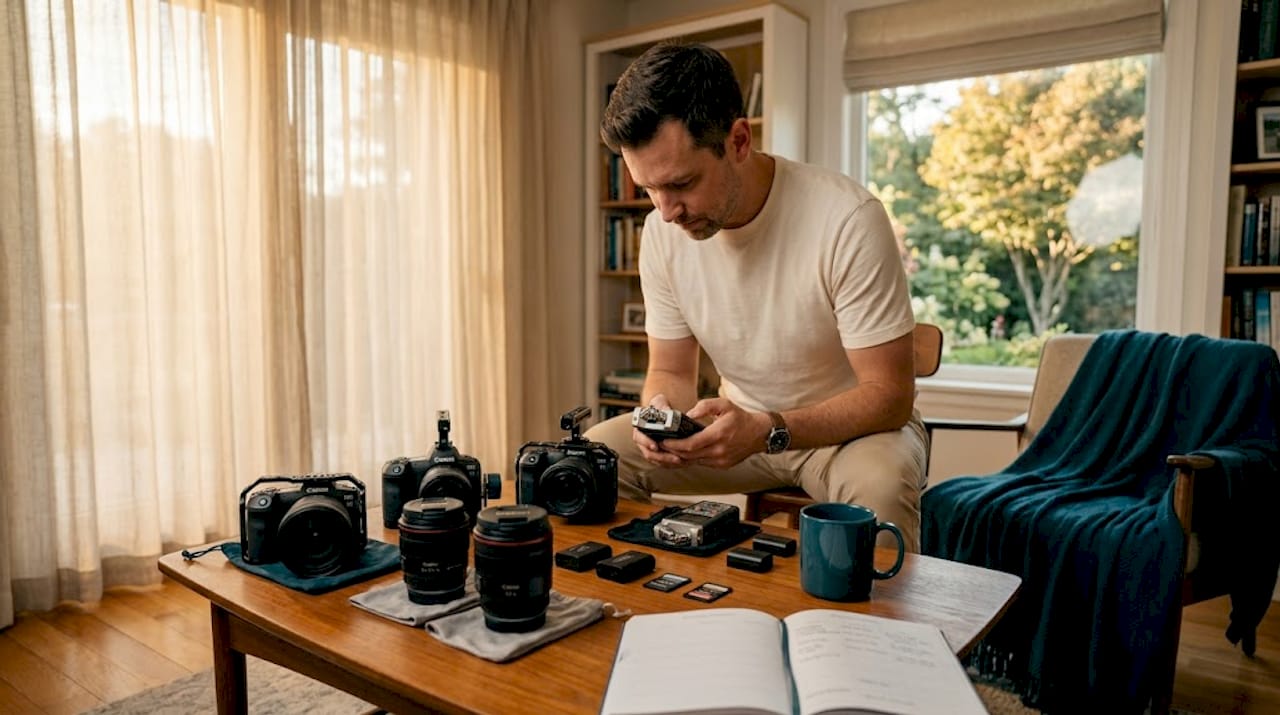
Getting your wedding videography equipment essentials right is the difference between a film that moves people to tears and footage that collects digital dust. Whether you are an aspiring videographer building your first professional kit or a couple trying to understand what your hired team should actually show up with, the gear choices matter far more than most people realize. This guide breaks down every category of wedding filming gear you need, from camera bodies and lenses to audio systems and stabilization tools, so you can make confident, informed decisions before the big day.
Table of Contents
Key takeaways
Point | Details |
Two cameras are non-negotiable | Always bring a backup camera body to protect against failure and allow lens flexibility. |
Audio beats camera upgrades | Investing in reliable, redundant audio gear matters more than chasing the newest camera body. |
Stabilization shapes the style | Gimbals, tripods, and IBIS each serve different moments; knowing when to use each is the real skill. |
Redundancy is your reputation | Backup cards, batteries, and mics are not extras. They are insurance for a day you cannot reshoot. |
Accessories complete the kit | Straps, filters, and power management tools keep you mobile and shooting through a full wedding day. |
Wedding videography equipment essentials: what to look for first
Before you buy a single piece of gear, you need a framework for evaluating what actually belongs in your wedding video production kit. Not every tool that works in a studio or documentary setting translates well to a fast-moving wedding environment.
Here are the core criteria to measure every piece of equipment against:
Reliability. Weddings are unrepeatable. Gear that fails at the wrong moment is not just inconvenient. It is a professional catastrophe. Prioritize brands and models with proven track records.
Versatility. You will shoot in a bright outdoor ceremony, a dim reception hall, and a cramped bridal suite all in the same day. Your gear needs to handle all of it.
Low-light performance. Many venues are poorly lit by design. Fast lenses and cameras with strong high-ISO performance are not optional for indoor shooting.
Stabilization. Shaky footage signals amateur work. Whether through in-body image stabilization (IBIS), a gimbal, or a tripod, smooth footage is non-negotiable.
Audio quality. Bad audio destroys even beautiful visuals. Your audio setup deserves as much attention as your camera setup.
Portability. You will be on your feet for eight to twelve hours. Heavy, cumbersome rigs slow you down and wear you out.
Budget alignment. Spend most of your budget on what directly affects image and audio quality. Accessories matter, but cameras and mics come first.
Pro Tip: Build your kit around the weakest link, not the strongest. A stunning camera paired with poor audio gear will produce a video that feels unprofessional every time someone watches it.
1. Cameras and lenses: the foundation of your kit
The camera body is where most people start, and for good reason. It determines your image quality, autofocus reliability, low-light capability, and recording options. Two reliable camera bodies are the non-negotiable minimum for professional wedding coverage. One failure with a single-camera setup means missing moments you can never get back.
For 2026, the top-performing mirrorless bodies for wedding work include:
Sony A7S III. Exceptional low-light performance and reliable autofocus make it a go-to for run-and-gun videography.
Canon EOS R5 II. Excellent autofocus tracking, strong color science, and dual card slots for instant backup.
Nikon Z6 II. A solid, more budget-accessible full-frame option with good video specs and IBIS.
Camera | Low-light strength | Autofocus | Dual card slots | Best for |
Sony A7S III | Excellent | Very reliable | Yes | Dark receptions |
Canon EOS R5 II | Very good | Outstanding | Yes | All-day coverage |
Nikon Z6 II | Good | Reliable | Yes | Budget-conscious pros |
For lenses, a minimum of three covers the full range of wedding shooting scenarios. A 24-70mm f/2.8 zoom handles ceremonies and group shots. A fast 35mm or 50mm f/1.4 prime shines in low-light portraits and emotional close-ups. A telephoto lens, typically 70-200mm, captures candid reactions from a distance without disrupting the moment.
Pro Tip: Mount different focal lengths on each camera body so you never miss a moment swapping lenses. Keep the wide zoom on one body and a fast prime on the other throughout the ceremony.
2. Stabilization tools for cinematic footage
Smooth footage is one of the clearest signals of professional work. Shaky handheld video, even if technically sharp, reads as amateur. Your stabilization approach shapes the entire visual tone of the film.
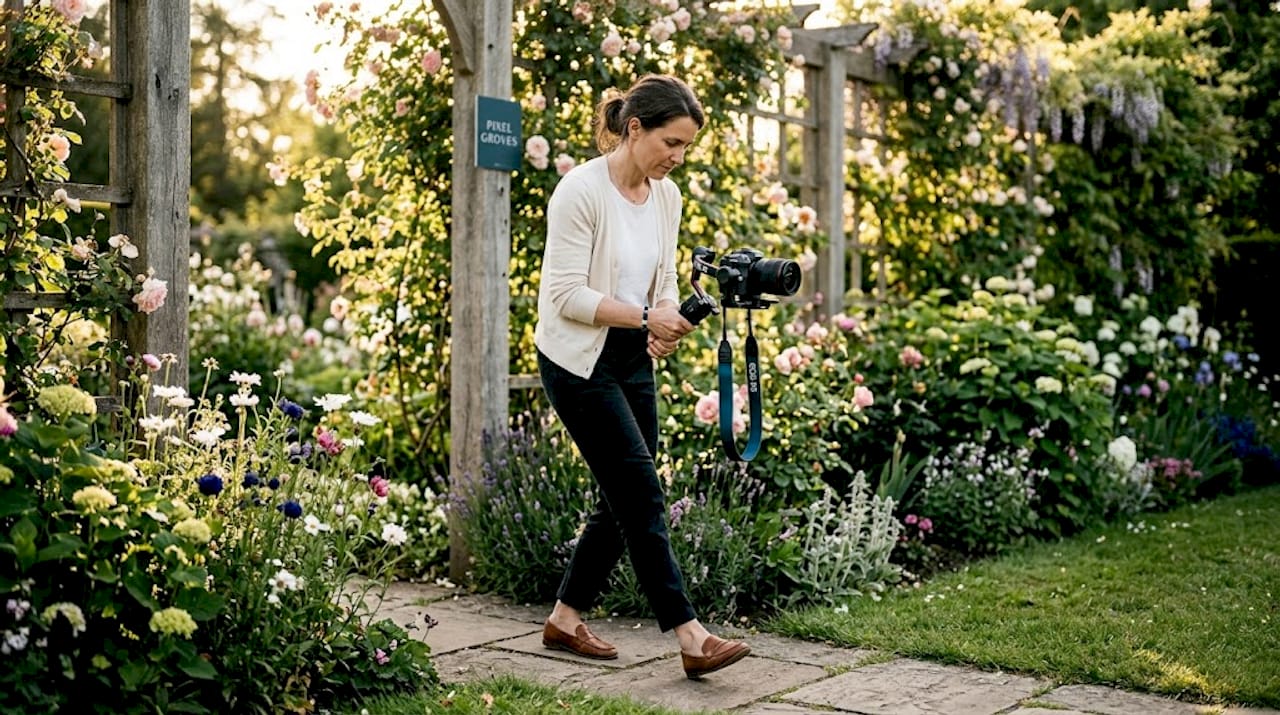
IBIS can provide up to 5.5 stops of stabilization, which makes modern mirrorless bodies genuinely usable handheld in many situations. But IBIS alone is not enough for every scenario.
Here is how each stabilization tool fits into a real wedding day:
Electronic gimbals (like the DJI RS 4 Pro) produce fluid, cinematic motion shots perfect for walking sequences, first dances, and dramatic entrances. The tradeoff is setup time and the learning curve of smooth operation.
Tripods are your anchor for speeches, ceremonies, and any moment where a locked-off, steady shot is the right choice. They free up your hands and let you focus on a second camera.
Monopods split the difference between mobility and stability. They work well during receptions when you need to move quickly but still want a more controlled shot than pure handheld.
Professional workflow flexibility comes from combining cameras with built-in IBIS and using gimbals selectively based on scene dynamics and timing. You do not run a gimbal during a fast-moving cocktail hour. You grab it for the first dance.
Pro Tip: Practice your gimbal transitions before the wedding day. A poorly balanced gimbal or an operator who is still learning motor compensation will produce footage that looks worse than confident handheld shooting.
3. Audio equipment for clear, reliable wedding sound
Here is the truth most new videographers learn the hard way: audio quality is more critical than upgrading to the newest camera body. A wedding film with stunning visuals and muffled vows is unwatchable. One with modest visuals and crystal-clear audio still moves people.
Your audio setup should include multiple independent sources, not just one mic:
Wireless lavalier microphone systems. Clip a lav mic on the officiant or groom to capture vows clearly. Systems like the Rode Wireless Pro or DJI Mic 2 offer reliable transmission with minimal interference.
Shotgun microphone. Mount one on your camera or a boom pole to capture ambient sound, crowd reactions, and general ceremony audio. This gives your edit texture and atmosphere.
External recorder connected to the venue soundboard. Connecting directly to the venue mixer yields studio-quality sound compared to placing mics in a noisy room. Always ask the DJ or AV team for a feed.
Backup recorder. Run a second audio recorder independently so you have a fallback if any single source fails.
Common pitfalls to avoid include placing lav mics under thick fabric (which muffles the signal), relying on a single wireless channel in RF-heavy venues, and forgetting to check battery levels before the ceremony starts.
4. Additional accessories to complete your production kit
The best camera and audio setup in the world will underperform if your supporting accessories are not dialed in. This is where many aspiring videographers underinvest.
Power and storage are your first priority. Dual card slots write every shot to two cards simultaneously, giving you instant backup against card failure. Bring at least three times the storage you think you need and double the batteries. Weddings run long, and you cannot afford to stop shooting because a battery died.
Lighting is more nuanced than most people expect. LED panels are typically avoided during receptions to preserve the natural ambiance of the venue. High ISO performance and fast lenses do the heavy lifting in dim settings. Small LED panels stay in the bag unless you are shooting a dark getaway scene or a detail shot in a poorly lit space.
Camera support and comfort matter more than most people admit. An ergonomic double camera strap or harness distributes weight across your shoulders and back, reducing fatigue during a ten-hour shooting day. A well-organized camera bag keeps everything accessible without slowing you down.
Additional accessories worth including:
UV and polarizing filters to protect lenses and manage reflections
Lens cleaning kits for quick field maintenance
A color checker card for consistent color grading across cameras
Cable ties and gaffer tape for managing audio cables discreetly
A drone (optional) for cinematic aerial establishing shots, subject to venue and local airspace regulations
Pro Tip: Label every battery, card, and cable with colored tape before the wedding day. When you are moving fast between locations, organization is the difference between smooth transitions and wasted minutes.
My honest take on building a wedding videography kit
I have seen videographers show up to weddings with $15,000 worth of gear and still deliver disappointing films. I have also seen videographers with modest, well-chosen kits produce work that made entire rooms cry. The gear is not the story. But the wrong gear will stop you from telling it.
What I have learned is that backup systems are your reputation. Not your camera brand. Not your gimbal model. The moment you cannot deliver footage because of a preventable equipment failure, no client testimonial will save you.
My personal priority order when building or advising on a kit: audio first, camera reliability second, stabilization third, and everything else after. Most aspiring videographers flip this. They obsess over the latest camera body and treat audio as an afterthought. That is exactly backwards.
For videographers just starting out, I would say this: resist the urge to build a complex rig before you have mastered a simple one. Two solid camera bodies, three lenses, a reliable wireless audio system, and a gimbal will take you further than a sprawling kit you cannot operate confidently under pressure. Weddings move fast. Complexity slows you down.
— Kellie
How Pixelgroves brings professional gear to your wedding day
At Pixelgroves, the wedding filming gear we use is chosen specifically for the demands of real wedding days, not just studio tests. Every shoot includes multiple camera bodies, fast lenses, redundant audio systems, and stabilization tools matched to the venue and style of the event. The 2025 Best of Florida Wedding Photographer Award reflects not just creative vision but the technical reliability that comes from treating equipment as seriously as storytelling.
If you are a couple wondering what professional videography actually looks like in practice, our work and process pages show exactly how we approach each event. You can also explore our pricing and packages to find the right fit for your day. When the moment arrives, you deserve a team that has every piece of gear ready, tested, and backed up before they walk through the door.
FAQ
What is the minimum camera setup for wedding videography?
Two camera bodies are the minimum for professional wedding videography. Having a backup body protects against failure and allows different lenses to be mounted for flexibility throughout the day.
Why does audio matter more than camera quality for wedding videos?
Poor audio ruins even visually stunning wedding footage. Clear vows, speeches, and music require multiple independent audio sources, including wireless lavalier mics, shotgun mics, and a direct soundboard feed.
What lenses should a wedding videographer carry?
A 24-70mm f/2.8 zoom, a fast 35mm or 50mm prime, and a 70-200mm telephoto lens cover the full range of wedding shooting scenarios from wide ceremony shots to candid close-ups.
Do wedding videographers need a gimbal?
A gimbal is highly recommended for cinematic motion shots like first dances and entrances, but it works best when combined with IBIS-equipped cameras and tripods for a complete stabilization approach.
How much storage and battery backup is enough for a wedding?
Bring at least three times the storage you estimate needing and double your battery count. Dual card slot cameras that write to two cards simultaneously provide the safest protection against data loss.
Recommended
Comments