Wedding Photography Styles: Your Complete 2026 Guide
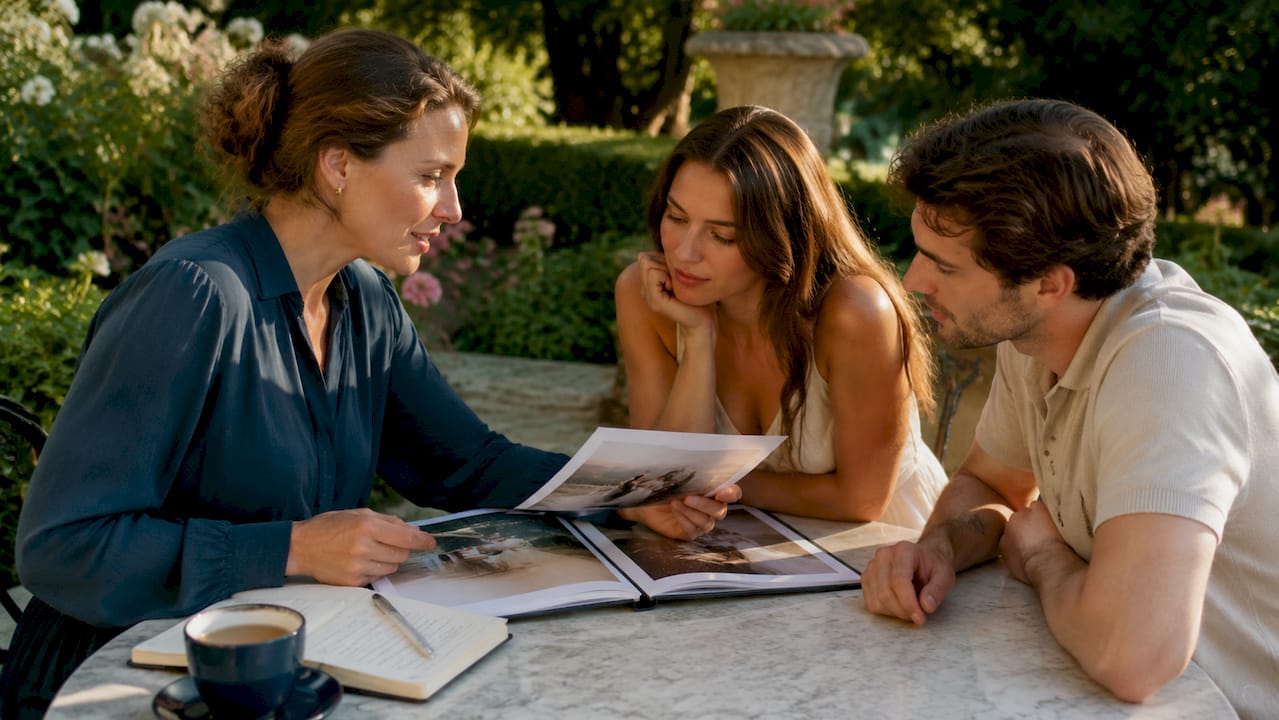
Wedding photography styles define how your wedding moments are captured and how you will remember the day for the rest of your life. The term covers a broad spectrum of visual approaches, from raw documentary coverage to polished fine art portraiture, and each one shapes both the look of your photos and how you feel during the shoot. Choosing the right style is one of the most personal decisions in your wedding planning process. This guide walks you through the most popular and overlooked approaches so you can walk into your photographer consultation knowing exactly what you want.
1. What are the most popular wedding photography styles?
Wedding photography styles fall into several recognized categories, each with a distinct visual identity and shooting approach. Understanding these categories helps you communicate clearly with any photographer you interview.
Documentary (photojournalism) Documentary photography captures your wedding day as it unfolds, with no posing and minimal direction. The photographer works like a journalist, staying close to the action without interrupting it. This style produces raw, emotional images that feel true to the moment. It suits couples who want their day to feel natural and unscripted.
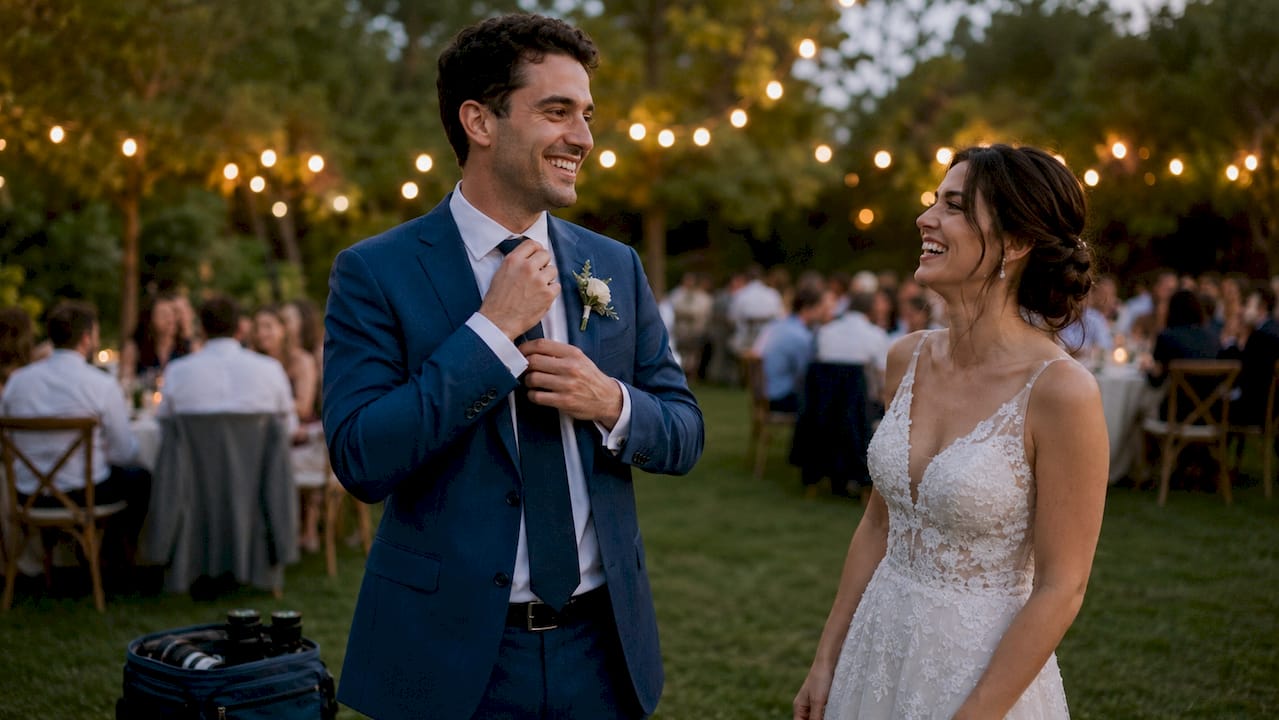
Fine art Fine art wedding photography treats each frame as a composed image, with careful attention to light, color palette, and negative space. Photographers who specialize in this style often work with film or apply a film-inspired edit in post-production. The results look like pages from a high-end magazine. You can explore the full breakdown of this approach in this fine art style guide from Pixelgroves.
Editorial Editorial photography borrows from fashion and advertising. The photographer directs you into poses and uses dramatic lighting to create images that feel intentional and styled. This style works best for couples who are comfortable being directed and want photos that look like a luxury brand campaign.
Dark and moody Dark and moody photography uses deep shadows, rich tones, and low-key lighting to create a cinematic, dramatic feel. It suits indoor venues, candlelit receptions, and couples drawn to a more intense visual aesthetic.
Bright and airy Bright and airy photography uses soft, overexposed tones and natural light to create a light, romantic feel. Garden weddings, beach ceremonies, and venues with large windows are ideal settings for this look.
Film Film photography uses actual 35mm or medium format film, producing a grain, warmth, and color shift that digital cameras cannot fully replicate. The process is slower and more deliberate, which often creates a calmer shooting experience for couples.
Traditional (classic) Traditional wedding photography is the formal, posed approach most people associate with older wedding albums. It prioritizes complete family groupings, standard couple portraits, and clear documentation of key moments. This style remains the most requested among families who want a reliable, recognizable record of the day.
Lifestyle and boho Lifestyle photography is a relaxed style that emphasizes atmosphere, movement, and natural interactions rather than formal posing. It suits outdoor, boho, and festival weddings, often blending candid coverage with portraiture for dynamic storytelling.
Pro Tip: Ask your photographer to show you a full gallery from a single wedding, not just a highlight reel. A full gallery reveals how they handle every part of the day, not just the best ten shots.
Most professional photographers integrate multiple styles across a single wedding day, using documentary coverage during the ceremony and editorial direction during portraits. Couples who assume they must pick exactly one style often limit what their gallery can become.
2. How do you choose the right style for your venue and lighting?
Venue and lighting are the two biggest factors that determine which photography style will actually work on your wedding day. A style that looks stunning in one setting can fall flat in another.
Match the mood of your venue. A bright and airy edit looks natural in a sun-filled garden or beachside ceremony. A dark and moody approach suits a stone church, a candlelit barn, or an industrial loft. Matching style to venue enhances both the visual results and the photographer’s ability to work efficiently.
Consider your ceremony time. Golden hour, the 30–60 minutes before sunset, produces warm, directional light that flatters almost every style. Midday outdoor ceremonies create harsh shadows that challenge bright and airy photographers specifically.
Ask about artificial light. If your reception is indoors with dim or colored lighting, confirm that your photographer is comfortable shooting in low light. Dark and moody photographers often thrive here. Fine art photographers may need to supplement with off-camera flash.
Think about the season. Winter weddings in Florida produce softer, cooler light than summer weddings. That shift affects how warm or cool your final images will look, regardless of the editing style you choose.
Discuss your venue with your photographer early. Industry guides recommend 30–60 minute consultations before the wedding to align visual style preferences with venue specifics. Use that time to share photos of your venue and ask how the photographer has handled similar spaces.
Pro Tip: Send your photographer a link to your venue’s website or Instagram before your consultation. Photographers who have shot there before will have specific insights about where the best light falls and what time of day works best.
3. What is the difference between candid and curated wedding photography?
Candid and curated photography represent two opposite ends of the creative spectrum, and understanding the difference helps you identify the emotional tone you want your photos to carry.
Candid wedding photography captures unscripted, genuine moments with minimal direction. The photographer stays in the background, letting your emotions and interactions unfold naturally. The result is authentic storytelling that feels true to who you are as a couple. Couples who are camera-shy or who want their day to feel relaxed tend to prefer this approach.
Curated wedding photography involves intentional styling, posing, and composition to create polished, fashion-inspired imagery. The photographer takes an active role in directing your positions, expressions, and movement throughout the day. The result is refined and editorial. Couples who value a specific aesthetic and are comfortable being directed tend to prefer this approach.
Most weddings benefit from both. Here is how the two styles serve different parts of your day:
Ceremony: Candid coverage captures the raw emotion of vows, tears, and first looks without interruption.
Portraits: Curated direction produces the polished couple images most people frame and display at home.
Reception: Candid coverage catches dancing, laughter, and toasts as they happen, while curated shots of the cake, decor, and details require deliberate composition.
Family formals: Traditional curated posing is almost always the right choice here, since these images are often printed and shared with older relatives.
“Couples who resonate emotionally with their photographer’s style report better photo experiences and greater satisfaction with their final gallery.” — Candid vs. Curated Wedding Photography
Photography style greatly influences how comfortable you feel during your wedding and how authentic your memories look in photos. The best photographers read the room and shift between candid and curated approaches as the day demands.
4. Budget-friendly and overlooked photography styles worth considering
Not every couple needs a full fine art or editorial package to get stunning wedding photos. Several underused styles deliver exceptional results at a lower price point or with a more relaxed shooting process.
Lifestyle photography is one of the most underrated options. It blends candid storytelling with light posing, creating images that feel natural but still look intentional. Lifestyle photographers typically charge less than fine art specialists and work faster, which reduces the time you spend in front of the camera.
Black and white photography offers timeless, artistic emotional expression by focusing on contrast and tone rather than color. Many couples choose it for portrait sessions or entire galleries to add classic elegance. Black and white editing also minimizes the impact of unflattering artificial light, which makes it a practical choice for indoor receptions with mixed lighting.
Creative hybrid approaches combine two or more styles to build a gallery with range. For example, a photographer might shoot the ceremony in documentary style, the portraits in fine art, and the reception in lifestyle. This approach gives you variety without requiring you to hire multiple photographers. You can find inspiration for this kind of range in Pixelgroves’ collection of creative wedding pics that go beyond standard coverage.
A few practical tips for getting great photos on a tighter budget:
Choose a photographer who specializes in one strong style rather than one who claims to do everything equally well.
Book a shorter coverage window and focus your photographer’s time on the ceremony and portraits, where images matter most.
Ask about weekday or off-season rates. Many photographers offer lower pricing for Friday or Sunday weddings.
Consider a second shooter instead of a lead photographer upgrade. A strong second shooter adds coverage without the premium cost.
Key takeaways
The most effective wedding photography strategy combines a style that matches your personality with a photographer who understands your venue and lighting conditions.
Point | Details |
Style shapes your experience | The photography style you choose affects how comfortable and natural you feel on your wedding day. |
Venue and lighting drive style choice | Bright and airy suits outdoor gardens; dark and moody fits low-light indoor venues. |
Hybrid styles are the norm | Most professional photographers blend documentary, editorial, and lifestyle coverage across a single wedding day. |
Candid vs. curated serves different moments | Use candid for ceremony and reception; use curated direction for portraits and family formals. |
Budget options exist | Lifestyle and black and white photography deliver strong emotional results at a lower price point than fine art or film. |
What I have learned after years of watching couples choose their style
The couples I see struggle most with photography are the ones who chose a style based on Instagram aesthetics rather than their own personalities. They saw a moody, cinematic gallery and loved the look, but on the wedding day they felt stiff and uncomfortable being directed into dramatic poses. The photos looked beautiful. The experience did not match.
The most successful wedding galleries I have seen come from couples who spent time talking honestly with their photographer before the wedding. Not just about style labels, but about how they actually behave together. Do you laugh a lot? Do you hate being told where to stand? Are you the kind of couple who will forget the camera is there, or will you feel self-conscious every time the lens points your way? Those answers matter more than any style category.
My honest advice: do not get attached to a label. Get attached to a feeling. Look at a photographer’s full gallery and ask yourself how the people in those photos seem to feel. If they look relaxed and joyful, that photographer knows how to create comfort. If they look stiff and posed, that is what you will get too, regardless of what style name is on the website.
The other thing most articles skip: your wedding day timeline affects your photography style more than almost anything else. A couple with a 90-minute portrait window can achieve fine art results. A couple with 20 minutes between ceremony and reception needs a photographer who works fast in a documentary or lifestyle mode. Talk to your photographer about your timeline before you finalize anything.
— Kellie
How Pixelgroves helps you find your perfect photography style
Pixelgroves has built its reputation on one thing: understanding that no two couples tell the same story. As the 2025 Best of Florida Wedding Photographer Award winner, Pixelgroves brings years of experience across documentary, fine art, editorial, and lifestyle styles, adapting to each couple’s personality and venue rather than forcing a single look onto every wedding.
[
Every Pixelgroves booking starts with a personalized consultation where you talk through your vision, your venue, and how you want to feel on your wedding day. From there, the team builds a coverage plan that blends the right styles for each part of your day. Visit the Pixelgroves wedding photography styles page to explore the full range of approaches and view pricing and packages that fit your budget and timeline.
FAQ
What are the main wedding photography styles?
The main wedding photography styles are documentary, fine art, editorial, dark and moody, bright and airy, film, traditional, and lifestyle. Most professional photographers blend two or more of these styles across a single wedding day.
How do I choose between candid and curated wedding photography?
Candid photography suits couples who want natural, unscripted images, while curated photography suits couples who want polished, directed portraits. Most photographers use both approaches depending on the part of the day being covered.
Does my venue affect which photography style works best?
Yes. Bright and airy photography works best in naturally lit outdoor venues, while dark and moody photography suits low-light indoor spaces. Discussing your venue with your photographer before the wedding is the most reliable way to match style to setting.
How early should I discuss photography style with my photographer?
Industry guides recommend a 30–60 minute consultation before the wedding to align on style preferences, shot lists, and venue specifics. Earlier is better, especially if your venue has specific lighting challenges.
Is black and white wedding photography still popular?
Black and white wedding photography remains a strong choice for couples seeking timeless, emotionally expressive images. Many couples use it for portrait sessions or full galleries to add classic elegance and minimize the impact of mixed artificial lighting.
Recommended
Comments