Romantic Wedding Photos That Capture Real Love
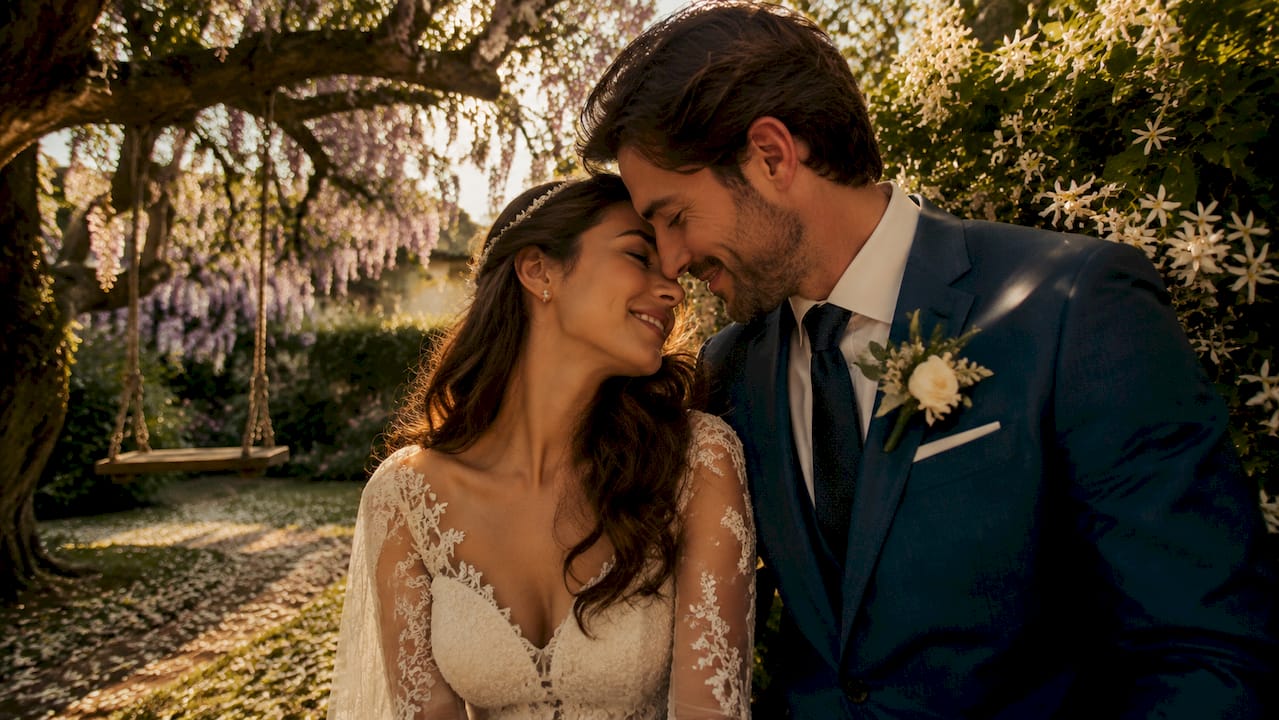
Romantic wedding photos are defined by authentic emotional connection, not perfect poses. The images couples treasure most show a stolen glance during vows, a quiet laugh before the ceremony, or a forehead touch that says everything without words. Experts confirm that the most romantic photos happen when couples are fully present with each other rather than directed into stiff arrangements. Capturing that truth requires the right lighting, the right timing, and a photographer whose instincts match your vision.
1. What makes romantic wedding photos different from standard portraits?
Romantic wedding photography, often called intimate or documentary wedding photography in professional circles, prioritizes emotional truth over technical perfection. A standard portrait places two people in front of a backdrop and says “smile.” A romantic portrait catches the moment one partner whispers something that makes the other laugh without warning.
The difference lives in the photographer’s approach. Candid storytelling blends editorial elegance with honesty, favoring informal moments over staged poses. That philosophy produces images that feel lived in rather than performed. Couples who see their photos and say “that’s exactly us” are the ones whose photographer understood this distinction.
2. Golden hour portraits: why timing is everything
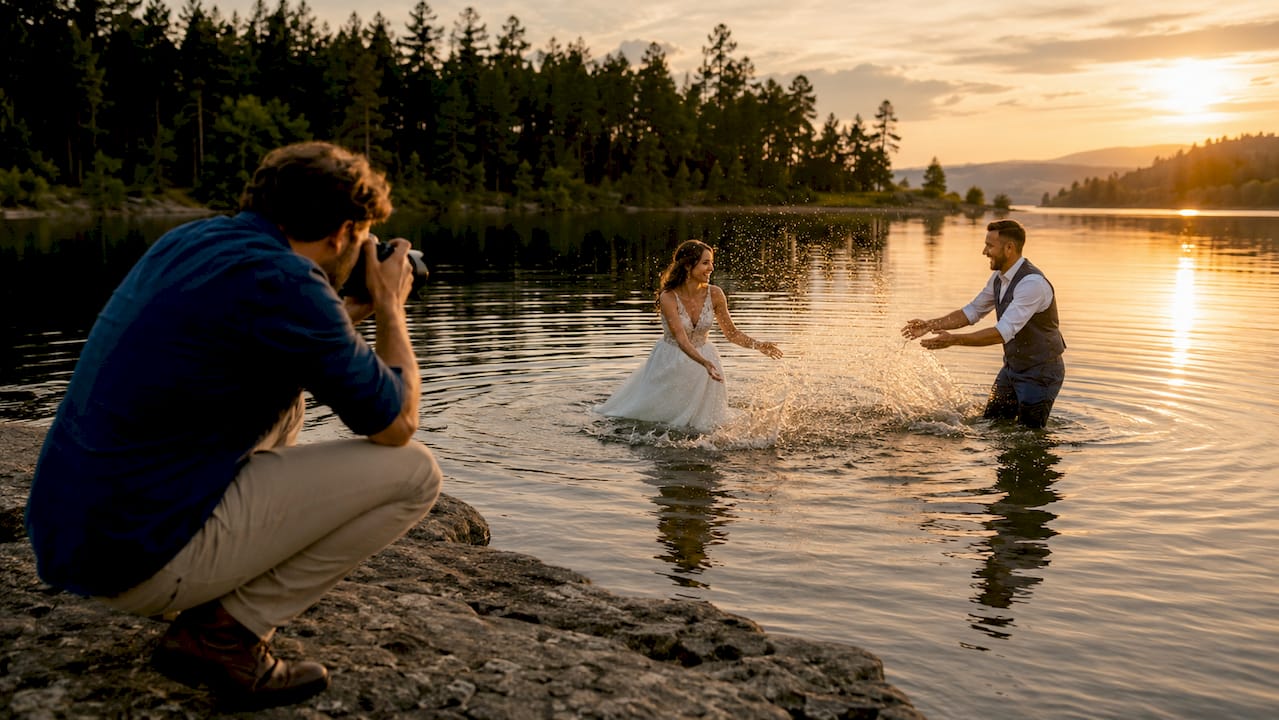
Golden hour, the 30–60 minutes after sunrise or before sunset, produces soft, directional light that flatters skin tones and adds natural warmth to every frame. Reserving 30–60 minutes specifically for golden hour portraits is the single most effective timeline decision a couple can make. That window eliminates harsh shadows, reduces squinting, and creates the glowing, dreamy quality most couples associate with romantic couple portraits.
Rushing this window kills the mood. A photographer who has only 10 minutes will default to safe, generic poses. With a full 30 minutes, there is room to walk, breathe, and let real moments surface. Build that buffer into your timeline deliberately, not as an afterthought.
Pro Tip: Schedule your golden hour portraits 90 minutes before sunset, not at sunset itself. The light is softer, more golden, and you have a full hour before it fades.
3. Candid romance photos: how to capture love without posing
The most powerful candid romance photos come from a photographer who anticipates connection rather than directs it. Authentic connection with minimal direction yields the most natural images. That means a photographer who watches, waits, and clicks at the right breath rather than one who shouts instructions from across the room.
Couples can help this process by ignoring the camera entirely during key moments. During the first look, focus on your partner’s face, not the lens. During the reception, dance like the photographer is not there. The best candid wedding day emotions are captured when couples forget they are being photographed.
Pro Tip: Ask your photographer to stay at a distance during the first look. A longer lens from 20 feet away captures raw emotion without interrupting the moment.
4. How to plan your wedding timeline for romantic photos
A well-built timeline protects your romantic photo opportunities from being squeezed out by logistics. Micro weddings with 10–50 guests typically require only 3–6 hours of photography coverage, which actually creates more focused, intimate portrait time than a traditional 8–12 hour day. Fewer guests means fewer group shots and more time for the images that matter most.
Build your timeline around these priorities:
First look session. Schedule 20–30 minutes before the ceremony for a private first look. This calms nerves and produces some of the most emotionally raw images of the day.
Ceremony coverage. Allow your photographer full access to both sides of the aisle. Emotional reactions from family and guests tell the story as much as the couple does.
Golden hour portraits. Block 30–60 minutes specifically for this window. Treat it as non-negotiable.
Reception candids. The toasts, the first dance, and the quiet moments between are where documentary-style storytelling shines.
Buffer time. Add 15–20 minutes of buffer between each major block. Weddings run late. Buffer time means your photographer is never rushing.
Pro Tip: Tell your wedding coordinator that golden hour portraits are a photography priority. Coordinators who know this will protect that window when the schedule slips.
5. What to look for when choosing a wedding photographer
Choosing the right photographer is the single most important decision for getting the romantic images you want. Prioritizing artists whose vision aligns with your personality produces authentic, romantic photos that feel personal rather than generic. A technically skilled photographer with the wrong aesthetic will still deliver images that feel off.
When reviewing portfolios, look for these specific qualities:
Emotional range. Does the portfolio show tears, laughter, and quiet tenderness, not just smiling couples?
Light handling. Do the images use natural light well, or does everything look flash-heavy and flat?
Candid moments. Are there unposed images that feel spontaneous, or does every shot look directed?
Consistency. Does the style hold across different venues, seasons, and lighting conditions?
Experience with intimate settings. A photographer experienced with intimate wedding photography handles small, emotional ceremonies differently than large ballroom events.
A calm, grounded photographer presence on the wedding day creates emotional images even when the schedule goes sideways. Ask potential photographers how they handle timeline delays. Their answer tells you more than their portfolio does.
Evaluating portfolios for emotional resonance rather than just technical polish separates the photographers who capture love from those who just document events.
6. Comparing romantic wedding photography styles
Different photography styles produce very different emotional results. Understanding the main approaches helps couples choose the one that matches how they want to remember their day.
Style | Core Approach | Best For | Emotional Effect |
Documentary | Unposed, observational storytelling | Couples who want raw, real moments | Intimate, honest, deeply personal |
Editorial | Cinematic composition with artistic direction | Couples who want magazine-quality images | Dramatic, polished, aspirational |
Film-inspired | Soft grain, warm tones, analog processing | Couples who love nostalgic aesthetics | Dreamy, timeless, emotionally warm |
Fine art | Painterly light, minimal subjects, artistic framing | Couples who prioritize visual artistry | Ethereal, romantic, gallery-worthy |
Film photography handles light with soft grain and depth, especially in candlelight and golden hour, producing a nostalgic quality that digital editing struggles to replicate. That quality is why film-inspired editing has become one of the most requested aesthetics in creative wedding photography today.
Documentary style works best for couples who are camera-shy or naturally expressive. Editorial style suits couples who enjoy a bit of direction and want images with strong visual impact. Most photographers blend two or more styles, so ask specifically how they balance posed and unposed work.
7. Creative wedding photo ideas beyond the standard poses
The most memorable wedding photo ideas come from personal details and unexpected moments, not from posing guides. A vineyard at dusk, a neon sign in an urban alley, or a quiet moment in the bridal suite before anyone else arrives all produce images with more character than a standard “couple standing in a field” shot.
Consider these approaches for images that stand apart:
Nighttime portraits with sparklers or string lights. Warm light sources create a natural glow that feels intimate and cinematic.
Incorporate personal objects. A meaningful book, a family heirloom, or a shared hobby prop adds storytelling depth.
Use architecture creatively. Doorways, staircases, and window light create natural framing that adds visual interest without props.
Shoot through elements. Flowers, foliage, or even a glass of champagne in the foreground adds dimension to couple portraits.
For camera-shy couples. Ask your photographer to give you a task rather than a pose. Walk together, whisper something, or share a slow dance. Movement produces natural expressions that static poses never do.
Creative wedding pics that go beyond standard poses consistently produce the images couples hang on their walls rather than leave in a digital folder.
8. The next-day session: an insider strategy most couples skip
Next-day sessions are one of the most effective strategies for capturing deeply romantic, cinematic portraits without wedding day pressure. Couples return to a scenic location the morning after in their wedding attire, relaxed and unhurried, with no timeline to manage and no guests to attend to.
The results are consistently different from wedding day portraits. There is no adrenaline, no schedule anxiety, and no crowd watching. The couple is simply two people in love, in beautiful clothes, in a beautiful place. Photographers who offer this option often describe it as producing their most editorial, emotionally resonant work. If your venue or a nearby location is particularly scenic, ask your photographer whether a next-day session is available.
Key takeaways
Romantic wedding photos require authentic emotional connection first, supported by intentional lighting, a photographer whose vision matches yours, and a timeline that protects the moments that matter most.
Point | Details |
Authenticity over posing | The most romantic images come from genuine connection, not directed poses. |
Golden hour is non-negotiable | Reserve 30–60 minutes for golden hour portraits to get soft, natural light. |
Style alignment matters | Choose a photographer whose aesthetic matches your vision, not just their technical skill. |
Timeline protects moments | Buffer time and a clear priority order prevent rushed, stiff photos. |
Next-day sessions deliver more | A relaxed next-day session often produces the most cinematic romantic portraits. |
What I’ve learned about truly romantic wedding photos
After years of working with couples and studying what separates forgettable wedding images from the ones that make people cry at their anniversary dinner, I keep arriving at the same conclusion. The couples who get the most romantic photos are not the ones who prepared the most poses. They are the ones who prepared the most trust.
Trust in their photographer. Trust in each other. Trust that the day will unfold and that someone skilled will be there to catch it. The couples who hand me a 12-page posing guide almost always end up with technically correct images that feel hollow. The couples who say “we trust you, just tell us where to stand” end up with images that feel alive.
The other thing I have seen consistently is that feeling comfortable in front of the camera is a skill, not a personality trait. Shy couples can get deeply romantic images. Camera-averse couples can get images that look effortless. The difference is a photographer who gives them something real to do instead of something artificial to perform. Walk toward me. Tell them a secret. Look at their hands. Those simple directions produce the images that end up framed.
One more thing: do not skip the quiet moments. The in-between seconds when you are adjusting each other’s clothes, or waiting for the ceremony to start, or just sitting together before the reception begins. Those are the images that will mean the most in 20 years. Make sure your photographer knows you want them.
— Kellie
How Pixelgroves captures your love story on film
Pixelgroves holds the 2025 Best of Florida Wedding Photographer Award and specializes in the kind of candid, emotionally driven images this article describes. Every couple receives a personalized approach built around their story, their aesthetic, and the moments that matter most to them.
[
Whether you want documentary-style candids, editorial portraits, or a blend of both, Pixelgroves tailors the coverage to fit. The team’s wedding photography packages range from intimate micro wedding coverage to full-day storytelling, and the pricing and packages are built to match real budgets without cutting corners on quality. If you want photos that feel like you, Pixelgroves is worth a conversation.
FAQ
What makes a wedding photo romantic?
Romantic wedding photos capture genuine emotional connection between partners, often through candid moments, natural light, and minimal posing. Authentic presence between the couple consistently produces more romantic images than any specific pose or setting.
When is the best time of day for romantic wedding portraits?
Golden hour, the 30–60 minutes before sunset, produces the softest and most flattering natural light for romantic portraits. Reserving this window specifically for couple portraits avoids rushed, stiff images.
What photography style is best for romantic wedding photos?
Documentary and film-inspired styles produce the most naturally romantic results. Film-inspired editing adds soft grain and warmth that enhances the emotional quality of candid moments.
What colors work best for romantic wedding photos?
Reds, pinks, and soft complementary tones enhance the emotional mood of wedding photos and photograph beautifully in natural light. Neutral and earthy tones also work well for a timeless, understated romantic aesthetic.
Should camera-shy couples worry about getting romantic photos?
Camera-shy couples consistently get deeply romantic images when their photographer gives them natural tasks instead of poses. Movement, whispered conversation, and shared laughter produce genuine expressions that static poses rarely achieve.
Recommended
Comments