Wedding Photo Inspiration: Your Creative 2026 Guide
Updated: 3 days ago
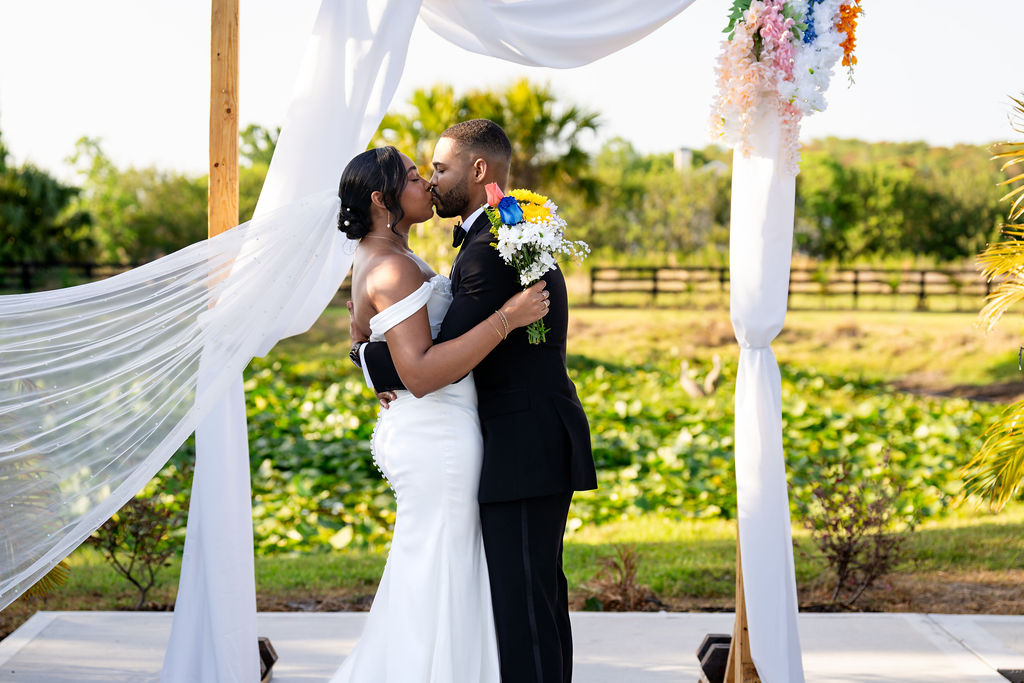
Wedding photo inspiration is the art of combining essential moments with creative, personalized shots to capture the full story of your wedding day. The best albums balance timeless must-haves, like first kisses and family portraits, with artistic ideas rooted in your specific venue, lighting, and personalities. Platforms like Bridebook, Wezoree, and Brides all point to the same truth: couples who plan their shot list early and align on a photography style walk away with photos they actually love. This guide gives you both the foundation and the creative fuel to make that happen.
1. What are the must-have wedding photo categories?
Every strong wedding album starts with the same core categories. These are the shots that tell the complete story of your day, from the quiet moments before the ceremony to the energy of the reception floor.
The essential categories every couple should cover:
Getting ready. Candid shots of you and your wedding party preparing capture the anticipation and emotion before the ceremony begins.
Ceremony processional. The walk down the aisle is one of the most emotional moments of the day. A skilled photographer captures both the subject and the reactions of guests.
Vows and first kiss. These are the centerpiece shots of any wedding album. No shot list is complete without them.
Recessional. The joy of walking back up the aisle as a married couple is a moment worth documenting in full.
Family and wedding party group shots. Organized group portraits preserve relationships and give families keepsakes they will treasure for decades.
Couple portraits. At least 30 minutes of dedicated portrait time gives your photographer space to create images beyond the standard poses.
Reception highlights. First dance, speeches, cake cutting, and candid guest moments round out the full narrative of your celebration.
Pro Tip: Lock in these categories before adding any creative or artistic shots to your list. Missing a first dance photo because you were chasing a creative concept is a regret you cannot undo.
2. How to choose the right wedding photography style
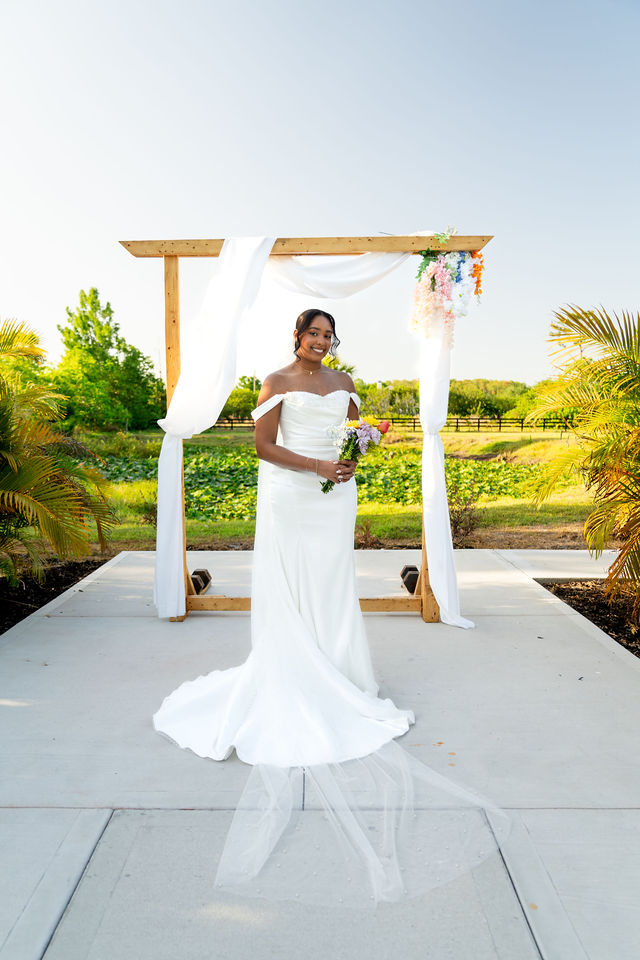
Professional wedding photographers categorize their work into three dominant styles: documentary, classic, and fine art. Choosing the right one shapes every image in your album.
Documentary photography focuses on candid storytelling. The photographer works in the background, capturing real reactions and unscripted moments as they unfold. This style suits couples who want their album to feel like a film rather than a portrait session.
Classic photography uses traditional, posed compositions. It prioritizes clean, timeless images that hold up across generations. Families who value formal portraits and structured group shots tend to prefer this approach.
Fine art photography emphasizes light-filled, editorial aesthetics focused on mood, detail, and visual beauty. It is the style most often chosen by couples seeking images that look like they belong in a magazine. Pixelgroves offers a detailed breakdown of each approach in their wedding photography styles guide for couples who want to go deeper before deciding.
Pro Tip: Review at least three full wedding galleries from any photographer you consider, not just their highlight reel. A full gallery shows how they handle low-light receptions, large group shots, and quiet in-between moments.
3. Creative wedding photo ideas that go beyond the basics
The most striking wedding photos come from location and lighting, not from copying a Pinterest board. Building your shot list around your venue’s specific features produces images that are genuinely yours rather than a recreation of someone else’s day.
Here are creative techniques worth discussing with your photographer:
Shoot through objects. Using doorframes, foliage, or glass to frame the couple adds depth and a sense of place that flat portraits cannot achieve.
Water reflections. Any reflective surface, from a still pond to a rain-soaked courtyard, doubles the visual impact of a portrait.
Night portraits. Portraits taken after dark using string lights, candles, or venue lighting create a completely different mood from daytime shots.
Pre-reception room shots. Photographing the reception room before guests arrive captures the florals, table settings, and lighting at their most pristine. This shot is frequently overlooked and consistently undervalued.
In-between moments. A laugh between bridesmaids, a quiet look between the couple during cocktail hour, a parent wiping a tear. These candid, unscripted moments tell a fuller story than any posed shot.
For couples who want to push further, Pixelgroves has a dedicated collection of creative wedding photography ideas that go well past the standard album.
Pro Tip: Walk your venue with your photographer before the wedding day if possible. Scouting locations together surfaces angles and lighting conditions you would never find on the day itself.
4. How to build and share your wedding photo shot list
A clear, organized shot list shared with your photographer before the wedding is the single most effective way to prevent missed moments. It also reduces the time spent directing people on the day, which means more time for genuine photos.
Structure your list by the order of the day:
Getting ready. List specific people and moments you want captured, such as the dress hanging, the first look at the mirror, or a parent helping with final details.
Ceremony. Note the processional order, any readings or rituals, and specific family members whose reactions you want documented.
Portraits. List every family grouping you need, from immediate family to extended combinations. Be specific. Vague lists lead to missed combinations.
Reception. Identify the key moments: first dance, parent dances, speeches, cake cutting, and any planned surprises.
Creative shots. Add your artistic ideas here, after the must-haves are locked in. Flag which ones are priorities versus nice-to-haves.
Use a shared Google Doc or a dedicated wedding planning app to keep the list accessible to both you and your photographer. Pixelgroves walks couples through this exact process as part of their personalized approach to wedding coverage.
Pro Tip: Send the final shot list at least two weeks before the wedding. Last-minute lists create stress for everyone and reduce the photographer’s ability to prepare.
5. What are the best outdoor wedding photography tips?
Outdoor weddings offer extraordinary photo opportunities, but they require more planning than indoor shoots. Light, weather, and timing all affect the final result in ways that no amount of posing can fix.
Time portraits around golden hour. Golden hour lighting produces warm, flattering tones that are nearly impossible to replicate at midday. Schedule your couple portraits for the hour before sunset whenever your timeline allows.
Use shade strategically. Direct midday sun creates harsh shadows on faces. Open shade under trees or near buildings gives even, soft light that photographs beautifully.
Frame with the landscape. Mountains, coastlines, gardens, and open fields are not just backdrops. A skilled photographer uses them as compositional elements that make the couple feel part of the scene.
Balance candid and posed shots. Outdoor settings naturally encourage movement and interaction. Let your photographer capture you walking, laughing, and exploring the space alongside any formal portraits.
Plan a weather contingency. Identify one or two covered or indoor backup locations before the day. Overcast skies actually produce excellent diffused light for portraits, so a cloudy day is rarely a disaster.
For couples planning an outdoor ceremony in Florida, the Space Coast’s natural light and coastal settings create conditions that reward photographers who know how to use them. Pixelgroves has built its reputation on exactly that kind of location-aware shooting.
Pro Tip: Ask your photographer what time of day they recommend for portraits at your specific venue. They have shot there before or can research it. Their answer tells you immediately how well they prepare.
Key takeaways
The strongest wedding albums combine a complete set of essential shots with creative ideas built around your specific venue, lighting, and style.
Point | Details |
Cover the core categories first | Lock in getting ready, ceremony, portraits, and reception shots before adding creative ideas. |
Choose a photography style early | Documentary, classic, and fine art styles each produce a different feel. Align with your photographer before booking. |
Build your shot list around your venue | Location and lighting shape photos more than poses. Use your venue’s unique features as the starting point. |
Share your shot list two weeks out | Early sharing gives your photographer time to prepare and reduces on-the-day stress. |
Time outdoor portraits around golden hour | Warm natural light before sunset produces the most flattering and memorable outdoor images. |
Why location beats Pinterest every time
I have seen couples arrive at their wedding with a folder full of saved images from other people’s venues, other people’s lighting, and other people’s days. The photos they end up loving most are almost never the recreations. They are the ones their photographer found by actually looking at the space.
The most memorable wedding images I have encountered come from photographers who treat the venue as a collaborator. A crumbling brick wall, a shaft of afternoon light through a barn door, a reflection in a rain puddle on the way to the altar. None of those appear on a Pinterest board. All of them are irreplaceable.
My honest advice: bring your inspiration images to your photographer as a mood reference, not a shot list. Tell them the feeling you want, not the exact frame. Then trust them to find it in your actual surroundings. That is where the real wedding photo inspiration lives. It is not on someone else’s feed. It is in your venue, your light, and the genuine moments between you and the person you are marrying.
If you are not comfortable in front of a camera, that discomfort shows up in every posed shot. Pixelgroves has a practical guide on how to feel comfortable in wedding photos that addresses this directly. Read it before your engagement session.
— Kellie
Pixelgroves: turning your wedding photo vision into reality
Pixelgroves is a Space Coast wedding photography and videography studio that has earned the 2025 Best of Florida Wedding Photographer Award for its storytelling-first approach to wedding coverage.
[
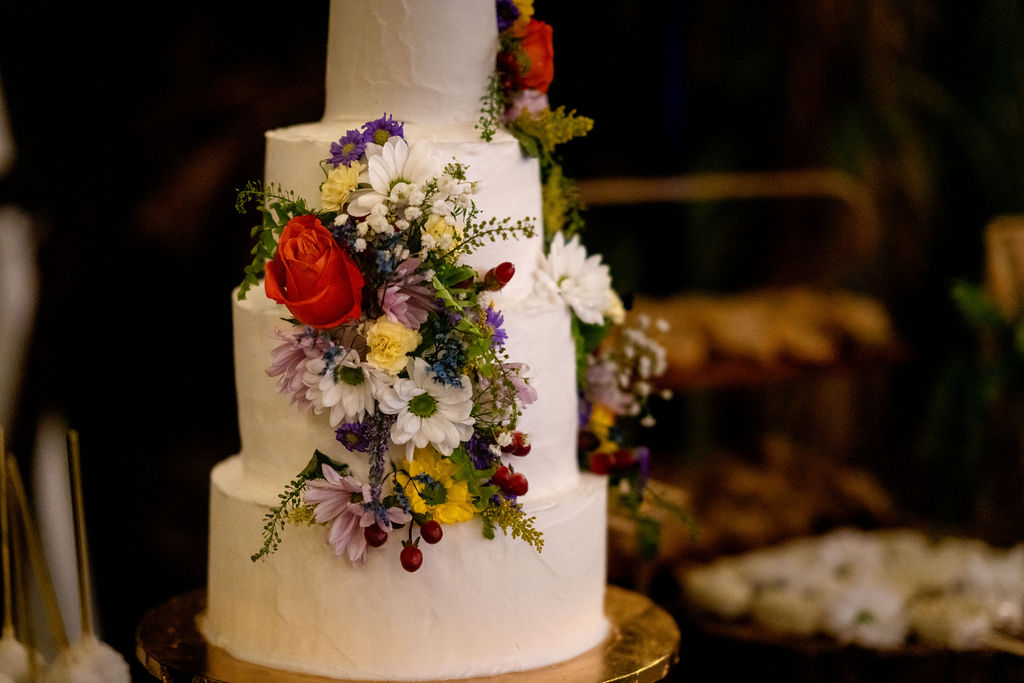
Every couple who works with Pixelgroves receives a personalized experience built around their specific venue, style, and story. From fine art wedding photography to documentary coverage, the team adapts to your vision rather than fitting you into a template. Review the full range of photography packages to find the coverage level that fits your day and your budget.
FAQ
What is wedding photo inspiration?
Wedding photo inspiration is the process of identifying the shots, styles, and creative ideas that will shape your wedding album. It combines essential must-have moments with personalized artistic choices based on your venue, lighting, and photography style.
How many photos should be on a wedding shot list?
Most photographers recommend organizing your list by day segment rather than counting individual shots. Cover getting ready, ceremony, portraits, and reception highlights first, then add creative ideas as secondary priorities.
What is the best photography style for a wedding?
The best style depends on your personality and aesthetic. Documentary suits couples who want candid storytelling. Classic suits those who prefer formal portraits. Fine art photography suits couples seeking editorial, light-filled images.
How long should couple portraits take at a wedding?
Plan for at least 30 minutes of dedicated couple portrait time. This gives your photographer enough space to move through locations and capture a range of images beyond standard poses.
What makes outdoor wedding photos look better?
Timing portraits around golden hour and using natural shade for midday shots produces the most flattering results. Natural lighting and landscape framing consistently outperform artificial setups in outdoor settings.
Recommended
Comments