How Shadows Shape Mood and Depth in Artistic Photos
- 14 hours ago
- 10 min read
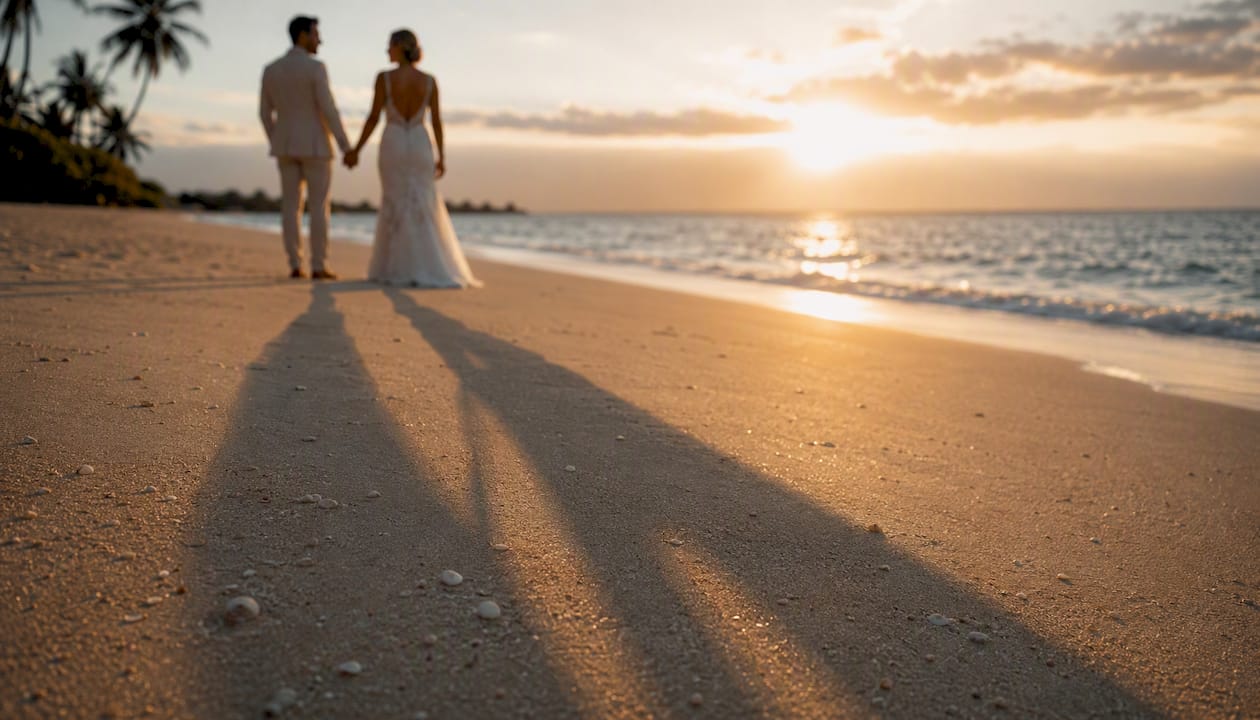
Shadows are a compositional and narrative tool that define form, set mood, and can become the subject of a photograph. When you treat a shadow as an object rather than an absence of light, the entire image changes: depth appears, emotion sharpens, and the viewer’s eye moves exactly where you want it.
The three primary roles shadows play in artistic photography:
Mood and emotion: Shadow density and edge quality signal mystery, intimacy, or drama before the viewer consciously processes the subject.
Depth and volume: Form shadows reveal a subject’s three-dimensional shape; cast shadows anchor objects to a surface and separate visual planes.
Compositional elements: Shadows function as leading lines, frames, negative space, and repeating patterns that structure the entire frame.
Pro Tip: Step outside at 7 AM or one hour before sunset, place any object on a flat surface, and photograph only its cast shadow. Spend five minutes moving around it. You will immediately see how angle and distance change the shadow’s shape, length, and graphic weight.
Key Takeaways
Shadows define form, direct the eye, and carry narrative weight: treat them as subjects and your images become more deliberate, more emotional, and more technically precise.
Point | Details |
Expose for highlights | Set -0.7 EV exposure compensation to deepen shadows without blowing bright areas. |
Shadow type determines technique | Form shadows sculpt volume; cast shadows anchor and extend; silhouettes flatten for graphic impact. |
Light size controls edge quality | Large sources produce soft edges; small sources produce hard, graphic shadows. |
B&W conversion amplifies shadow | Removing color forces viewers to read form and contrast, maximizing shadow-based compositions. |
Practice seeing before shooting | Spend the first minutes of any shoot photographing only shadows to read the light before framing subjects. |
Table of Contents
What exactly is a photographic shadow, and how does it differ from a silhouette?
A photographic shadow is the darker region that forms when an object blocks a light source, preventing rays from reaching a surface behind or beneath it. That definition covers two distinct types that photographers treat very differently.
A form shadow (sometimes called a body shadow) is the gradual transition from highlight to dark on the object itself. It reveals curvature, thickness, and surface texture. Roll your hand under a lamp and watch the shadow creep across your knuckles: that gradient is the form shadow, and it is the primary sculpting tool in portraiture and still life.
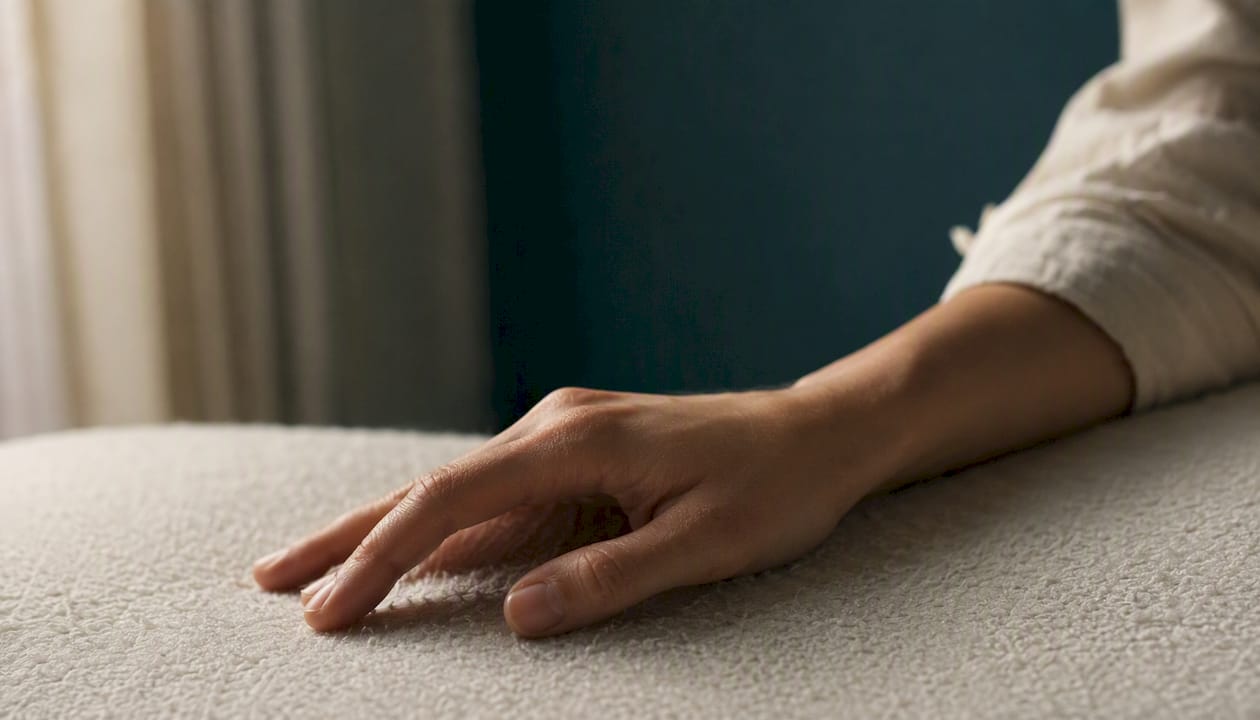
A cast shadow is the shape projected onto a nearby surface by the occluder. Think of it as the object’s silhouette thrown onto the ground, a wall, or another subject. Its edges can be razor-sharp or feathered, depending on the light source.
A silhouette is different from both. A silhouette is the subject itself rendered as a flat, dark shape against a bright background. There is no form shadow because the subject’s surface receives no light from the camera’s side. Silhouettes eliminate texture and detail; cast shadows preserve them on the receiving surface.
A simple way to visualize the anatomy: light source → occluder (your subject) → cast shadow on the receiving surface. Change any one of those three variables and every quality of the shadow changes with it.
How do shadows shape the mood and story of an image?
Shadow density, edge quality, and placement each carry emotional weight. Dense, hard-edged shadows read as tension or drama. Soft, open shadows suggest warmth or intimacy. The same subject photographed under both conditions tells two entirely different stories.
Long golden-hour shadows stretch across pavement and grass with a warm amber cast, evoking nostalgia and the feeling that time is slowing down. Hard midday shadows create graphic, almost abstract shapes that read as bold and contemporary. Window-blind shadows falling across a face or wall carry an unmistakable film-noir tension, suggesting confinement or surveillance without a single prop.
Shadows tell stories by withholding information. Henri Cartier-Bresson understood this intuitively: his street photographs frequently used shadow to imply a presence just outside the frame, leaving the viewer to complete the narrative. That incompleteness is not a flaw. It is the mechanism that keeps a viewer looking.
Pro Tip: Drop your exposure compensation to -0.7 EV before you shoot a moody portrait. The shadows deepen, the highlights hold, and the image immediately reads as more intentional without any change in lighting setup.
How can you use shadows as compositional elements?
Shadows give you compositional tools that most photographers ignore entirely. A long cast shadow can serve as a leading line, pulling the eye from the foreground toward the subject. A shadow falling across a doorway frames the subject inside it. A repeating pattern of architectural shadows creates rhythm and visual texture across the frame.
Practical composition tactics worth testing:
Negative space with shadow: Let the shadow occupy a large portion of the frame while the subject sits small within it. The contrast in scale creates visual tension and emphasizes the subject’s isolation or smallness.
Subject-plus-shadow symmetry: Position yourself so the subject and its shadow form a mirrored or near-mirrored shape. This works particularly well on flat, even surfaces like sand or concrete.
Repeating architectural patterns: Shoot through slatted fences, colonnades, or staircases where shadows repeat at regular intervals. The pattern becomes the composition.
Balancing compositional mass: A long shadow extending from a small subject can counterbalance a heavy element on the opposite side of the frame, creating equilibrium without cropping.
Image ideas to try: photograph a cyclist’s shadow on an empty road at 6 AM; shoot a single chair’s shadow on a white wall at noon; frame a portrait so a window’s shadow grid falls across the subject’s shoulder. Each of these isolates one compositional principle and makes it visible.
What lighting factors control shadow character?
Four variables determine every quality of a shadow: light direction, light size relative to the subject, light-to-subject distance, and color temperature.
Light direction controls where the shadow falls and how much of the subject it reveals. Side lighting (45–90 degrees) produces the most dramatic form shadows. Back lighting produces silhouettes and rim-lit edges. High overhead light produces short, dense shadows that flatten faces. Low-angle light produces long shadows that emphasize texture and scale.
Light size is the single biggest factor in edge quality. A large light source (open sky, large softbox, a north-facing window) produces soft, gradual shadow edges. A small source (direct sun, bare speedlight, a pinhole) produces hard, sharp edges. The distinction matters differently by genre: hard shadows read as graphic and bold in architecture; soft shadows read as flattering and dimensional in portraiture.
Shadow quality | Light setup | Best for |
Hard, sharp edges | Small source: direct sun, bare flash | Architecture, graphic abstracts, street |
Soft, gradual edges | Large source: softbox, window, open sky | Portraits, still life, wedding formals |
Long, warm shadows | Low-angle sun (golden hour) | Landscape, outdoor portraits, silhouettes |
Colored shadows | Gelled flash or colored ambient | Creative editorial, fashion, mood work |
Light distance follows the inverse-square law: move a light twice as far from the subject and it delivers one-quarter the intensity. Closer lights produce faster highlight-to-shadow transitions; farther lights produce more even, flatter illumination.
Pro Tip: Move your light source closer to the subject and watch the shadow edge sharpen and the falloff steepen. Then pull it back two feet and the shadow softens noticeably. Distance is a free creative variable most photographers never consciously adjust.
What practical techniques create signature shadow effects in-camera?
Silhouettes
Identify a bright, uncluttered background (open sky, a lit window, a white wall).
Position your subject between the camera and the light source.
Switch to spot metering and meter the brightest part of the background.
Expose for that highlight reading. The subject will go dark.
Shoot in RAW so you can recover any background detail in post without lifting the subject.
Gobos and projected patterns
Choose a practical pattern: window blinds, lace fabric, a leafy branch, or a cut-paper gobo.
Place a hard light source (direct sun or a bare speedlight) behind the pattern.
Position the pattern 12–18 inches from the receiving surface for sharp projection; move it farther for softer, more diffused shapes.
Focus on the surface receiving the pattern, not the gobo itself.
Shadow as subject
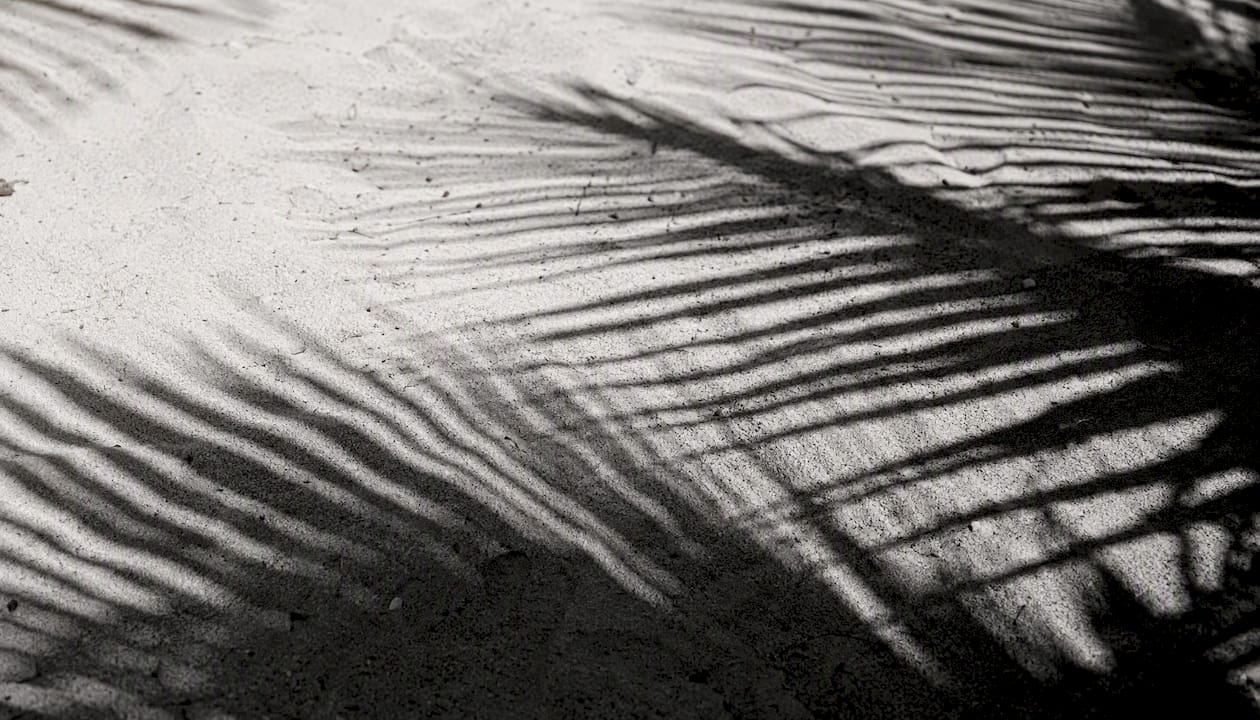
Move the camera until the shadow fills the majority of the frame and the object casting it appears only at the edge or not at all. Select a plain, contrasting background (light concrete, sand, white paper). The shadow becomes the focal point, and black-and-white conversion amplifies this by stripping color and maximizing contrast.
Extending a subject with its shadow
At golden hour, position your subject so the long cast shadow extends into empty space within the frame. The shadow acts as a visual extension of the subject, filling negative space and adding a second “character” to the composition without adding physical mass.
What camera settings work best for shadow-rich images?
Exposure decisions make or break shadow photography. The core rule: expose for the highlights and let the shadows fall where they fall.
Setting | Recommendation | Reason |
Metering mode | Spot or highlight-weighted | Protects highlight detail; shadows deepen naturally |
Exposure compensation | -0.7 EV | Deepens shadow tone without blowing highlights |
ISO | Keep ISO as low as scene allows | Shadow areas amplify noise; low ISO preserves clean blacks |
Aperture | f/5.6–f/11 for architecture/landscape; f/1.8–f/2.8 for portraits | Depth of field affects how much shadow detail is sharp |
Shutter speed | Adjust to maintain correct exposure after above settings | No shadow-specific rule; follow standard exposure triangle |
Shoot RAW without exception. JPEG compression crushes shadow gradients, and you lose the latitude to recover detail or deepen tones selectively in post.
Post-processing steps that matter most:
Black-and-white conversion: Removing color forces the viewer to read form, contrast, and shadow shape. Use the HSL/Color Mix panel in Adobe Lightroom to control how each original color translates to gray, darkening blues for dramatic skies or lightening yellows to open skin tones.
Dodge and burn: Paint light back into open shadows where you want detail, and deepen cast shadows where you want graphic weight. Work at low opacity (10–15%) with a large, soft brush.
Selective contrast: Use a radial or linear gradient to add contrast specifically to the shadow region without affecting the highlights.
Noise control: Apply luminance noise reduction selectively to shadow areas only, using a luminosity mask so you do not soften highlight detail.
How does shadow work change across different genres?
Portrait
Shadows on faces require client communication. A split-lighting setup (shadow covering exactly half the face) reads as dramatic and editorial; most clients need to see a reference image before they agree to it. Projected patterns (window blinds, lace) add texture and mood to portraits but can feel unflattering if they bisect the eyes. Place patterns on the neck, shoulder, or background instead for a safer result.
Landscape
Low-angle light is the landscape photographer’s primary shadow tool. Long shadows at golden hour emphasize surface texture, reveal topography, and create natural leading lines across the frame. The warmth of golden-hour shadows also creates color contrast between lit and shadowed areas that reads as depth even in a flat scene.
Architecture
Geometric shadow patterns on buildings change by the hour. Scout a location at different times of day and note when the shadow geometry aligns with the building’s lines. A shadow that echoes the structure’s angles reinforces the composition; one that cuts across it at a random angle creates visual noise.
Wedding photography
For creative wedding portraits, window-light shadows and golden-hour extensions work beautifully. Avoid hard, unflattering shadows during ceremony coverage where the client’s face needs to be clearly readable.
Exercises to improve how you see and shoot shadows
Shadow shape hunt (15 minutes): Walk through any indoor or outdoor space and photograph only shadows, no subjects. Review for shape, edge quality, and graphic interest. Ask: does this shadow have a clear, readable form?
Gobo session (30 minutes): Set up a bare lamp or use direct window light. Cut three different patterns from cardboard and project each onto a white wall. Adjust distance and angle. Note how projection distance changes edge sharpness.
Silhouette practice (20 minutes): Photograph five different subjects as silhouettes against the same bright background. Vary the subject’s pose between each shot. Review for clean, readable outlines.
Shadow framing (45 minutes): Find a location with strong architectural shadows. Compose five images where the shadow acts as a frame around the subject rather than falling on it.
Contrast control (60 minutes): Shoot the same scene at three different exposure compensation values (-1.5, -0.7, and 0 EV). Process each in Lightroom and compare how shadow depth changes the mood. Score each on a simple 1–3 scale for drama, readability, and emotional tone.
After each session, review for three things: Is the shadow shape readable? Does the exposure preserve highlight detail? Does the shadow add or subtract from the story?
Why do shadows register so powerfully with viewers?
The art-historical record is long on this point. E. H. Gombrich, in his study Shadows (Yale University Press), traces how Western artists from the Renaissance through the Surrealists deliberately exploited cast shadows for illusion and drama. Renaissance painters used cast shadows to anchor figures to a ground plane and create spatial believability. Surrealists detached shadows from their sources to create unease. Both understood that the shadow carries as much narrative information as the subject.
Perception research confirms what those artists intuited. Eye-tracking evidence shows that diagonal shadows influence gaze vectors and, in some images, draw viewer fixations comparable to the subjects themselves. Shadows are not background noise in visual perception; they function as objects that the eye treats with nearly the same attention as the primary subject.
For photographers, this finding has a direct implication: a shadow placed carelessly competes with your subject for attention. A shadow placed deliberately guides the viewer through the frame in the sequence you intend. Treating shadow as a narrative element rather than a side effect of light is what separates technically correct images from genuinely compelling ones.
Gothic and symbolic traditions took this further, using shadow to signal danger, the unknown, or the sacred. That symbolic weight of shadow in art carries directly into contemporary photography: a shadow falling across a doorway still reads as threshold and uncertainty to a modern viewer, because the visual grammar is centuries old.
A photographer’s perspective on chasing shadows
Shadows changed how I shoot weddings. Not because they are dramatic (though they can be), but because they forced me to slow down and read the light before I raised the camera. The moment I started asking “where is the shadow?” before “where is the subject?” my compositions became more deliberate and my images more emotionally specific.
The experiment I’d encourage you to try: on your next shoot, spend the first ten minutes photographing only shadows. No faces, no subjects. Just the shapes the light leaves behind. You will return to your subject with a completely different sense of where the frame’s weight sits and how to use it.
For sunset wedding portraits specifically, the shadow is often the most romantic element in the frame: two figures, their long shadows stretching ahead of them, the warm light catching the edge of a veil. That image works because of the shadow, not despite it.
If you want shadow-driven portraiture executed at a wedding level, Pixelgroves’ wedding photography styles show exactly how light and shadow work together across documentary, editorial, and golden-hour coverage. View packages and pricing to see what a full-day shadow-aware shoot looks like.
[

Sources
Recommended
Comments