How to Create an Unforgettable Wedding Experience
Updated: Oct 9
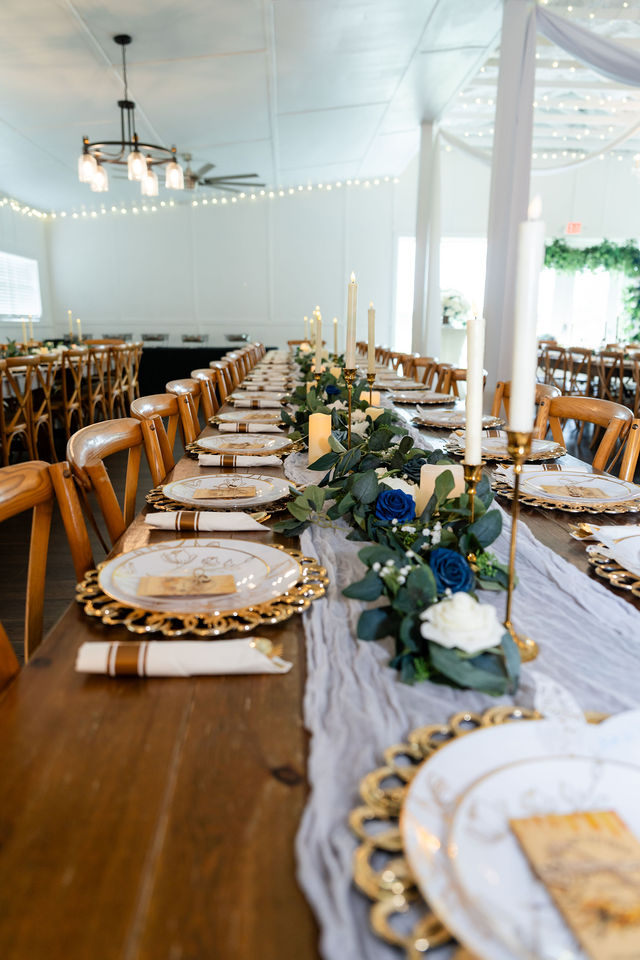
An unforgettable wedding experience is defined by the intentional combination of personalized moments, genuine guest engagement, and creative details that reflect who you are as a couple. Generic weddings fade from memory within months. The ones that stick are built on specific choices: a surprise performer, a welcome party timed to let guests breathe, a ceremony ritual that means something real. This guide draws from real destination weddings and expert planning insights to give you concrete, tested ideas for building a celebration that guests talk about for years.
1. Host a welcome party two days before the ceremony
Scheduling a welcome party two nights before the wedding gives guests time to recover from travel, explore the destination, and connect with each other before the main event. This approach replaces the traditional rehearsal dinner with something more relaxed and social. Guests arrive at your ceremony rested and already bonded, which changes the entire emotional tone of the day.
Pro Tip: Plan the welcome party near local restaurants or a cultural landmark so guests can explore the area on their own the following day.
2. Choose a venue that does the storytelling for you
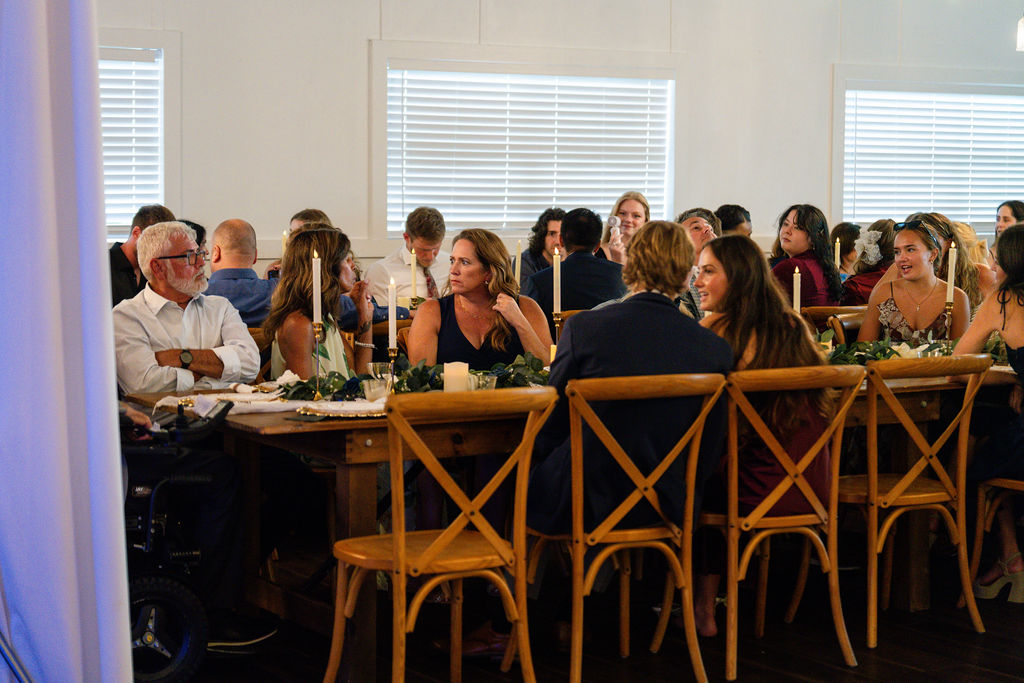
The venue is your first design decision, and it sets every expectation that follows. Private island access, overwater chapels, and jungle clearings create an atmosphere that no amount of florals can replicate. Exclusive venue features like private island reception spaces and inclusive activity passes significantly boost guest engagement and create intimacy even for groups of 50 or more. Pick a space that already tells a story, then layer your personal details on top.
3. Book entertainment that surprises people
Most receptions follow the same script: dinner, first dance, cake, open bar. Breaking that script is what creates memorable wedding moments. Neon stilt walkers, glowing drum performers, and karaoke transform a reception from a dinner party into an event guests actively talk about the next morning. A mentalist who works the cocktail hour, a live painter capturing the ceremony, or a Cirque du Soleil-style acrobat during the first dance all create the kind of moment that gets shared and remembered.
4. Write vows that are actually yours
Custom vows are the single most emotionally powerful element of any ceremony. They cost nothing extra and require only honesty. Couples who write specific, story-driven vows consistently produce the most photographed and most emotionally resonant ceremony moments. Reference a real memory, use an inside joke, or name the exact moment you knew. Generic vows produce polite applause. Personal vows produce tears.
5. Add an interactive photo experience for guests
Interactive photo experiences give guests something to do and something to take home. Wedding photo booth ideas go well beyond the standard curtain-and-props setup: think 360-degree video booths, instant print stations with custom frames, or audio guestbooks where guests record a voice message instead of signing a card. These stations also generate candid, joyful images that capture the energy of the room in ways that posed portraits cannot.
6. Use logistical gaps as creative opportunities
Large weddings involve transfers, staging, and waiting. Most couples treat these as problems. The best couples treat them as gifts. Staggered boat transfers during a venue changeover, for example, give the couple a natural window for private portraits and quiet time together before the reception begins. That 20-minute gap becomes one of the most intimate and photographed moments of the day.
Pro Tip: Ask your photographer to plan a short portrait session during any scheduled guest transfer or cocktail hour. You will not regret it.
7. Reflect your cultural identity in the ceremony
Weddings that resist traditional categorization by embracing couples’ unique cultural identities create celebrations that feel genuinely one-of-a-kind. A traditional tea ceremony followed by a Western reception, a Sikh Anand Karaj paired with a jazz band, or a Mexican lasso ritual woven into a beach ceremony all signal to guests that this wedding belongs to these specific people. Authenticity is the ingredient that no budget can buy and no template can replicate.
8. Design a themed after-party or specialty space
The after-party is where the best memories often happen, and most couples underinvest in it. A dedicated space with a distinct visual identity, a signature cocktail menu, and a curated playlist creates a second act that guests choose to stay for. Think neon signs, a late-night taco bar, a vinyl DJ setup, or a rooftop lounge with a fire pit. Intentional atmosphere and small details impact guest perception more than grand gestures do.
9. Prepare for location-specific surprises
A viral wedding moment where a maid of honor discreetly removed a spider from a bride’s veil gained over 5 million views. That number shows how much audiences respond to grace under pressure. Outdoor and destination weddings carry real variables: weather, insects, wind, uneven terrain. Brief your wedding party on likely scenarios. Assign one person to handle each category of surprise so you never have to think about it.
10. Do a site visit before you commit
Site visits are critical for destination weddings. They let you finalize the location, conduct menu tastings, and map the flow of the day before any guests arrive. A venue that looks perfect in photos can have a noise problem, a lighting issue, or a layout that breaks the ceremony flow. Visiting in person removes that risk entirely and gives you confidence on the actual day.
How personalization elevates the wedding guest experience
Personalization is the difference between a wedding guests attend and one they remember. The most effective personalization is specific, not expensive. A hand-lettered note at each place setting referencing a shared memory with that guest, a locally sourced welcome bag that reflects the destination, or a ceremony reading chosen because it genuinely means something to the couple. These details signal to guests that they were thought of individually.
Professional travel coordinators and planners reduce stress and allow couples to focus on emotional moments rather than logistics. That focus is what makes personalization possible. When you are not managing vendor timelines, you can actually be present for the moments that matter.
Curate a local experience guide for out-of-town guests with restaurant picks, activities, and hidden gems
Offer bridal styling inspiration that reflects your personal aesthetic, not just current trends
Send a pre-wedding communication to guests that builds excitement and gives them context for any cultural or nontraditional elements
Assign a point-of-contact for guest questions so you are never pulled away from your own celebration
Pro Tip: Create a short digital guide for guests 3–4 weeks before the wedding. Include the schedule, local tips, and a note about what makes the day personal to you. Guests arrive informed and emotionally invested.
Creative and unique wedding ideas that break tradition
Authentic weddings reflect couples’ unique identities, and the most memorable ones are built on a clear creative vision rather than a checklist of trends. A jungle wedding in Tulum with Art Nouveau glamour and Cirque du Soleil energy is not a concept that fits any standard template. It works because it is specific to the couple who chose it.
Unconventional wedding themes that consistently generate strong guest reactions include:
Multi-day wedding weekends with a distinct theme for each event
Black-tie ceremonies paired with casual, high-energy after-parties
Bespoke attire that breaks the white dress convention entirely
Ceremony structures that remove the traditional processional in favor of a group gathering
Dramatic accessories, like a cathedral-length cape or an embroidered jacket, that become the visual centerpiece
The strongest creative choices share one trait: they are decisions the couple made for themselves, not for the photos. Guests feel that difference immediately.
How to plan and execute your best wedding experience
Planning the perfect wedding day comes down to three things: preparation, delegation, and flexibility. Couples who do all three consistently report the most enjoyable wedding days, regardless of budget.
Complete a site visit at least 6 months before the date for any destination or outdoor venue
Hire a day-of coordinator even if you have planned everything yourself
Build a 30-minute buffer into every major transition on the timeline
Communicate the schedule to your wedding party in writing, not just verbally
Assign one trusted person to handle vendor communication on the wedding day
Staggered logistics like phased guest transfers are not problems to solve. They are moments to use. The couples who plan around them rather than against them end up with better portraits and more private time together.
Pro Tip: Build a “surprise buffer” into your budget. Set aside a small fund for a spontaneous upgrade, an unexpected vendor tip, or a last-minute addition that makes the day feel special. You will almost certainly use it.
Key takeaways
The most memorable weddings are built on intentional, specific choices that reflect the couple’s identity and actively engage guests at every stage of the day.
Point | Details |
Welcome party timing | Host a welcome event two nights before the ceremony to give guests time to rest and connect. |
Venue as storytelling | Choose a space that creates atmosphere on its own, then layer personal details on top. |
Personalization over extravagance | Small, specific touches like custom notes or local experiences outperform expensive generic gestures. |
Use logistics creatively | Planned gaps like guest transfers create natural windows for intimate couple portraits. |
Prepare for surprises | Brief your wedding party on location-specific variables so you stay present on the day. |
What I have learned from photographing real weddings
By Kellie
After photographing weddings across Florida and beyond, the pattern is clear: the couples who remember their wedding most vividly are not the ones who spent the most. They are the ones who made deliberate choices.
The moments that stop me mid-shoot are almost never the grand ones. They are the groom reading his vows off a crumpled piece of paper. The flower girl who falls asleep on a chair during cocktail hour. The grandmother who dances alone to a song only she recognizes. None of those moments were planned. All of them were possible because the couple had done the planning work that freed everyone to be present.
What I tell every couple I work with: resist the pressure to make your wedding look like someone else’s. The most creative wedding photography comes from couples who have a clear sense of who they are and let that show. A wedding that reflects your actual relationship is always more interesting to photograph than one that follows a template.
Extravagance is optional. Intention is not.
— Kellie
Pixelgroves: capturing every moment of your wedding day
Your wedding day produces thousands of moments. Most of them happen in seconds and never repeat. Pixelgroves, winner of the 2025 Best of Florida Wedding Photographer Award, specializes in capturing those moments with the kind of storytelling photography that holds up for decades.
[
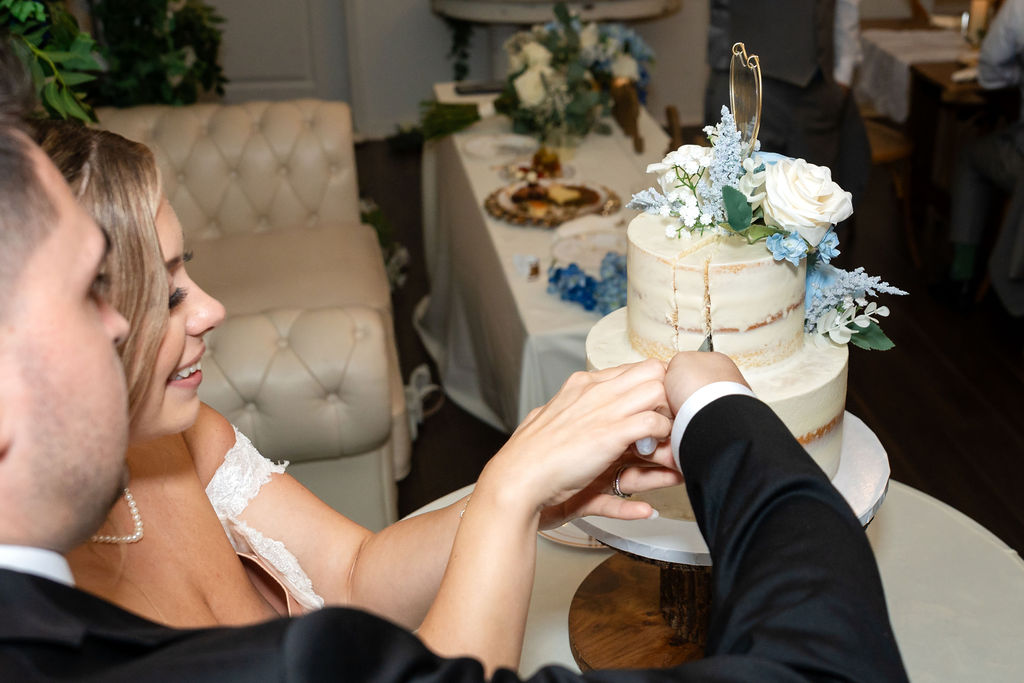
From emotional ceremony exchanges to the high-energy reception floor, Pixelgroves builds a complete visual record of your day. Explore wedding photography styles to find the approach that fits your vision, or review pricing and packages to find the right fit for your budget. Every package is built around your specific story, not a one-size-fits-all formula.
FAQ
What makes a wedding truly unforgettable?
An unforgettable wedding combines personalized details, genuine guest engagement, and at least one unexpected moment that breaks the standard reception format. Intention and atmosphere matter more than budget.
How early should couples start planning unique wedding ideas?
Start planning creative and logistical elements at least 12 months out for destination weddings and 9 months out for local venues. Site visits should happen no later than 6 months before the date.
What is the best way to personalize the guest experience?
The most effective guest personalization is specific: individual notes, locally curated welcome bags, and pre-wedding communication that gives guests context for cultural or nontraditional elements.
How do you handle surprises on the wedding day?
Brief your wedding party on location-specific variables in advance and assign one person to manage each category of potential issue. That preparation keeps you present and calm when something unexpected happens.
Does a bigger budget guarantee a more memorable wedding?
No. Memorable weddings derive power from intention and atmosphere, not scale. Small-scale experiential details consistently outperform expensive generic gestures in guest memory and emotional impact.
Recommended
Comments