Emotional Wedding Moments: Your 2026 Capture Guide
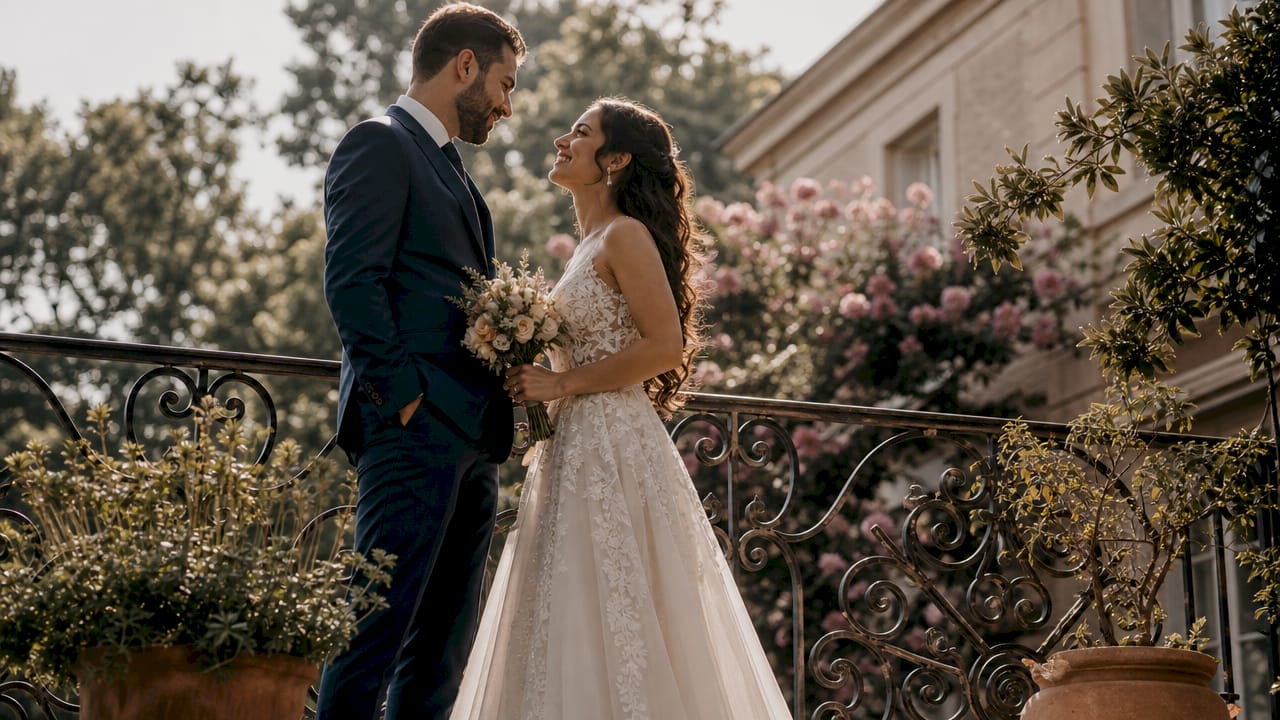
Emotional wedding moments are the authentic, unscripted reactions that define the true spirit of your wedding day. They are the tears your father blinks back when he sees you in your dress, the laugh your partner lets out during vows, and the silence that falls over a room when someone says exactly the right thing. These moments are not just memories. They are the storytelling core of your entire wedding, and capturing them well requires both emotional preparation and the right creative team. Pixelgroves, winner of the 2025 Best of Florida Wedding Photographer Award, was built around this exact purpose.
1. The first look with your partner
The first look is the single most photographed emotional moment in modern weddings. It happens before the ceremony, when partners see each other for the first time in wedding attire. The reaction is almost always raw and unguarded because neither person has had time to compose themselves. That rawness is exactly what makes it so powerful to photograph.
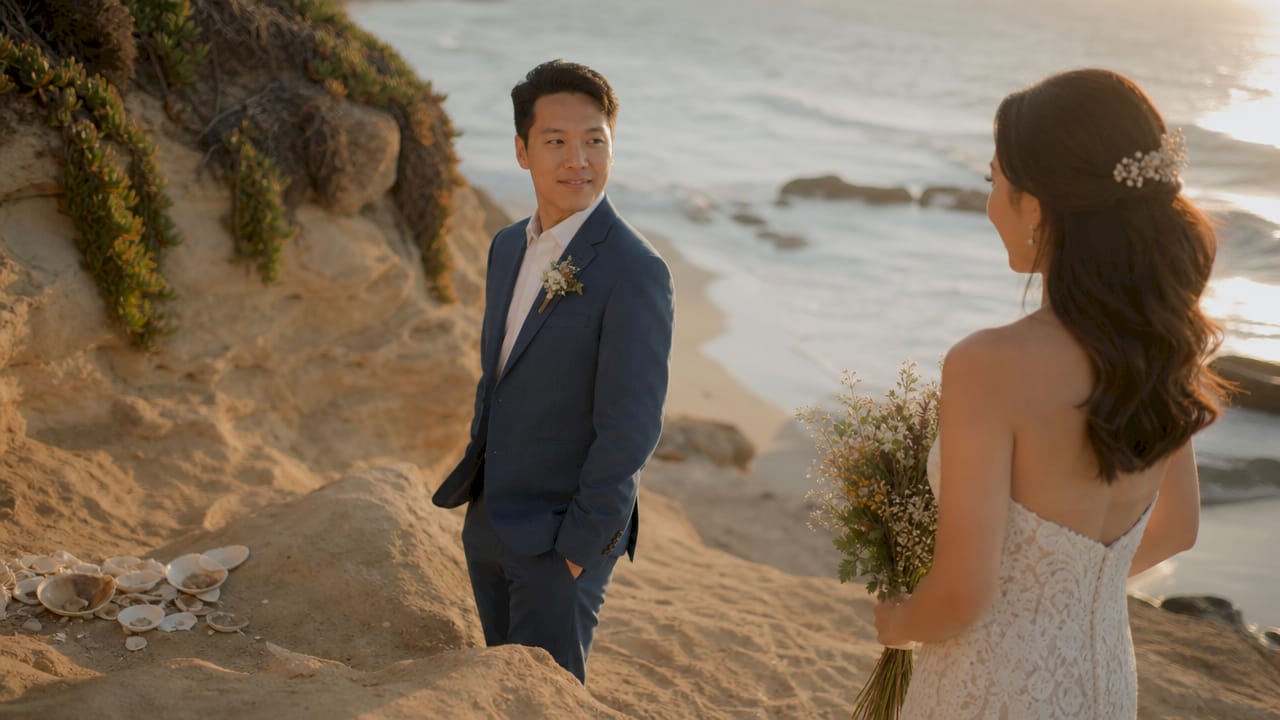
Plan your first look in a quiet location away from guests. Give your photographer room to work from a distance so the moment stays private and genuine.
2. A child’s first look with a parent or stepparent
Few moments at a wedding hit harder than a child seeing their parent dressed for the ceremony. A nine-year-old daughter moved to tears during her mother’s touching first look became one of the most shared wedding videos of 2025. That reaction was not staged. It was a child processing something enormous, and the camera caught it.
If you have children in your family, consider building a private first look moment just for them. It costs nothing and produces some of the most genuine images of the entire day.
3. Hearing “Dad” for the first time
One of the most profound heartfelt wedding highlights in recent memory involved a groom hearing his stepdaughter call him “Dad” for the first time through an audio message played at the ceremony. That single moment received over 120 million views on social media. The number is staggering. It tells you something real: people everywhere recognize the weight of belonging.
If your family includes stepchildren or newly blended relationships, talk to your officiant about creating space for that kind of moment. It does not need to be scripted. It just needs room to happen.
4. Personal vows spoken from memory
Reading vows from a card is fine. Speaking them from memory, with eye contact, is something else entirely. Emotional vows delivered without notes force couples to be fully present with each other. Guests feel that presence too. The room goes quiet in a different way.
Write your vows early and practice them out loud at least a dozen times. Your voice will shake the first few times. By the wedding day, the words will feel like yours, not a performance.
Pro Tip: Ask your videographer to use a discreet lapel microphone on both partners during vows. Audio quality on emotional vows is just as important as the visual.
5. Tributes to loved ones who have passed
Playing an audio message from a late family member is one of the most profound gestures a couple can include in their ceremony. Attendees consistently describe these audio tributes as the most memorable part of the day. They create a sense of presence for someone who cannot be there physically.
Emotional wedding moments like these also serve as family healing. They honor legacy and give grief a place inside the celebration rather than outside it. Work with your officiant to time the tribute carefully so it lands with full weight.
6. The hug that surprises everyone
Sometimes the most memorable wedding reactions are not planned at all. A groom’s spontaneous hug with his stepdaughter during the ceremony brought guests to tears and moved viewers to emotional responses across social media, gathering up to 140,000 likes. Nobody scripted that moment. It happened because the emotion was real and the photographer was ready.
Tell your photographer to stay alert during family processionals and ceremony transitions. Those in-between moments, not the posed ones, are where the real story lives.
7. Speeches and toasts that go off script
The best wedding speeches are the ones that veer from the prepared remarks. A best man who pauses mid-sentence because he cannot hold it together. A mother who abandons her notes and just speaks. These candid wedding shots of raw human emotion during toasts are consistently among the most treasured images couples receive.
Brief your photographer and videographer on who is speaking and in what order. Give them a heads-up about anyone likely to get emotional. That 30-second warning lets them position themselves before the moment peaks.
8. The first dance reaction
Couples often underestimate how emotional the first dance feels from the inside. You are standing in the center of a room full of everyone you love, moving slowly, and it hits you all at once. That wave of feeling shows on your face. It shows in how you hold each other.
A skilled videographer captures the wedding day emotions written across your face during those three minutes better than any posed portrait can. Let the dance be what it is. Do not perform it.
9. The parent dances
The mother-son and father-daughter dances carry a specific kind of weight. They mark a transition. Parents feel it acutely, and so do the couples. Guests who are parents themselves feel it too. These intimate wedding highlights produce some of the most universally resonant images in any wedding album.
Choose songs that mean something real to you and your parent. A song chosen for its emotional association will show on both your faces in a way that a popular choice simply cannot replicate.
10. Quiet moments between the couple
The most overlooked emotional moments are the private ones. A couple stealing 60 seconds alone behind the venue before the reception starts. A hand squeeze during the processional. A whispered word nobody else hears. These candid wedding shots require a photographer who knows when to follow and when to disappear.
Ask your photographer about their approach to documentary-style shooting. The best ones treat your wedding like a story unfolding, not a checklist of poses to complete.
How to emotionally prepare for your wedding day
Emotional preparation is not about controlling your feelings. It is about creating the conditions where you can actually feel them.
Eat a real breakfast. Grounding techniques like eating properly and scheduling quiet moments reduce anxiety and prevent the day from becoming a blur. Low blood sugar amplifies nerves and dulls memory.
Curate your getting-ready space. Experts recommend a calm environment with supportive people and soothing music during the preparation phase. Limit the room to people who settle you, not those who add chaos.
Name your feelings out loud. Distinguishing between normal nerves and fear helps couples stop resisting their emotional swings. Saying “I feel overwhelmed and that is okay” is more effective than pretending you feel calm.
Build in a pause. Schedule 10 minutes alone or with your partner between the ceremony and reception. That pause lets you absorb what just happened before the next wave begins.
Support each other actively. Check in with your partner during the day. A brief moment of eye contact or a hand on the back communicates more than words and keeps you both grounded.
Pro Tip: Read about feeling comfortable in photos before your wedding day. Couples who understand how to relax in front of a camera show more authentic emotion in their images.
How to capture touching wedding moments through photography and videography
The best wedding images come from couples who communicate their priorities clearly and then get out of the way. Here is what that looks like in practice.
Share your story, not just your shot list. Communicating storytelling priorities rather than a list of poses gives photographers the context to anticipate emotional peaks. Tell them about the stepdaughter who might cry, the grandmother who never shows emotion but might today.
Allow unobtrusive shooting. When couples perform for cameras, authenticity suffers. Give your photographer permission to move freely and shoot without checking in for approval. The images that result are consistently stronger.
Use discreet audio tools. Lapel microphones and directional boom mics capture emotional vows and speeches with clarity. Your videography team’s equipment matters as much as their eye.
Plan your photography timeline around emotional peaks. Work with your photographer to build a schedule that places coverage at the ceremony, first dances, and speeches. Do not let logistics crowd out the moments that matter most.
Choose storytellers, not just technicians. The difference between a photographer who captures emotion and one who documents events is significant. Ask candidates to show you a full wedding gallery, not just their 20 best shots. The full gallery reveals how they handle the quiet moments between peaks.
Visual emotional storytelling in photography follows the same principles as narrative storytelling: tension, release, and authentic human connection drive the most powerful images.
Unique ideas for touching moments at your ceremony and reception
These ideas give you specific ways to build emotional depth into your wedding intentionally.
Incorporate a child’s entrance. Have a young child in your family carry a sign, walk with you, or deliver a note to your partner. Children process emotion visibly and honestly, which creates powerful candid moments.
Play a voicemail or audio message from a late loved one. This gesture consistently moves guests to tears and gives the absent person a presence in the room. Coordinate the audio with your sound team in advance.
Write a letter to your partner the morning of the wedding. Exchange letters before the ceremony through a door or wall so you cannot see each other. The reading of those letters produces some of the most intimate wedding highlights couples ever experience.
Create a moment of gratitude during the ceremony. Ask your officiant to build in 30 seconds where you both turn and look at your guests in silence. That pause, where you actually see the people who showed up for you, is deeply moving for everyone in the room.
Plan a surprise gift or gesture. A custom piece of jewelry, a framed photo, or a handwritten note delivered just before the ceremony creates a private emotional peak that your photographer can capture without guests even knowing it happened.
Honor a legacy connection. One bride walked down the aisle with the man who received her late father’s heart, creating a moment of profound family healing. Your version does not need to be that dramatic. It just needs to be true to your story.
Key takeaways
Authentic, unscripted reactions are the emotional core of wedding photography, and capturing them requires deliberate preparation, clear communication with your media team, and the courage to let real feelings show.
Point | Details |
Prioritize authentic reactions | Unscripted moments produce stronger images than any posed shot list. |
Prepare emotionally, not just logistically | Eat well, limit chaos during prep, and build in quiet pauses throughout the day. |
Communicate your story to your photographer | Share context about family dynamics and emotional peaks so your team can anticipate them. |
Include tributes and surprises intentionally | Audio messages, letters, and surprise gestures create the moments guests remember longest. |
Choose storytellers over technicians | A full wedding gallery reveals how a photographer handles quiet moments, not just peaks. |
Why I think couples underestimate their own wedding day
By Kellie
After working with couples through some of the most significant days of their lives, I have noticed one consistent pattern: couples spend months planning the logistics and almost no time preparing to actually feel the day. They arrive exhausted, overstimulated, and then wonder why it went by so fast.
The emotional swings you will feel on your wedding day are not a sign that something is wrong. Feeling tearful at 10:00 AM and giddy at noon and quietly overwhelmed by 3:00 PM is completely normal. Understanding that range in advance means you will not waste energy fighting your own feelings.
The couples whose wedding images move me most are the ones who stopped trying to look happy and just let themselves be present. Their faces show something real. That realness is what makes a photograph worth keeping for 40 years. Staged perfection fades. Genuine emotion does not.
Trust your photographer to find the moments. Your job is to show up fully, stay connected to your partner, and let the day be exactly as messy and beautiful as it actually is.
— Kellie
How Pixelgroves documents your most emotional wedding moments
Pixelgroves was built on one conviction: the images worth keeping are the ones that tell the truth about your day.
[
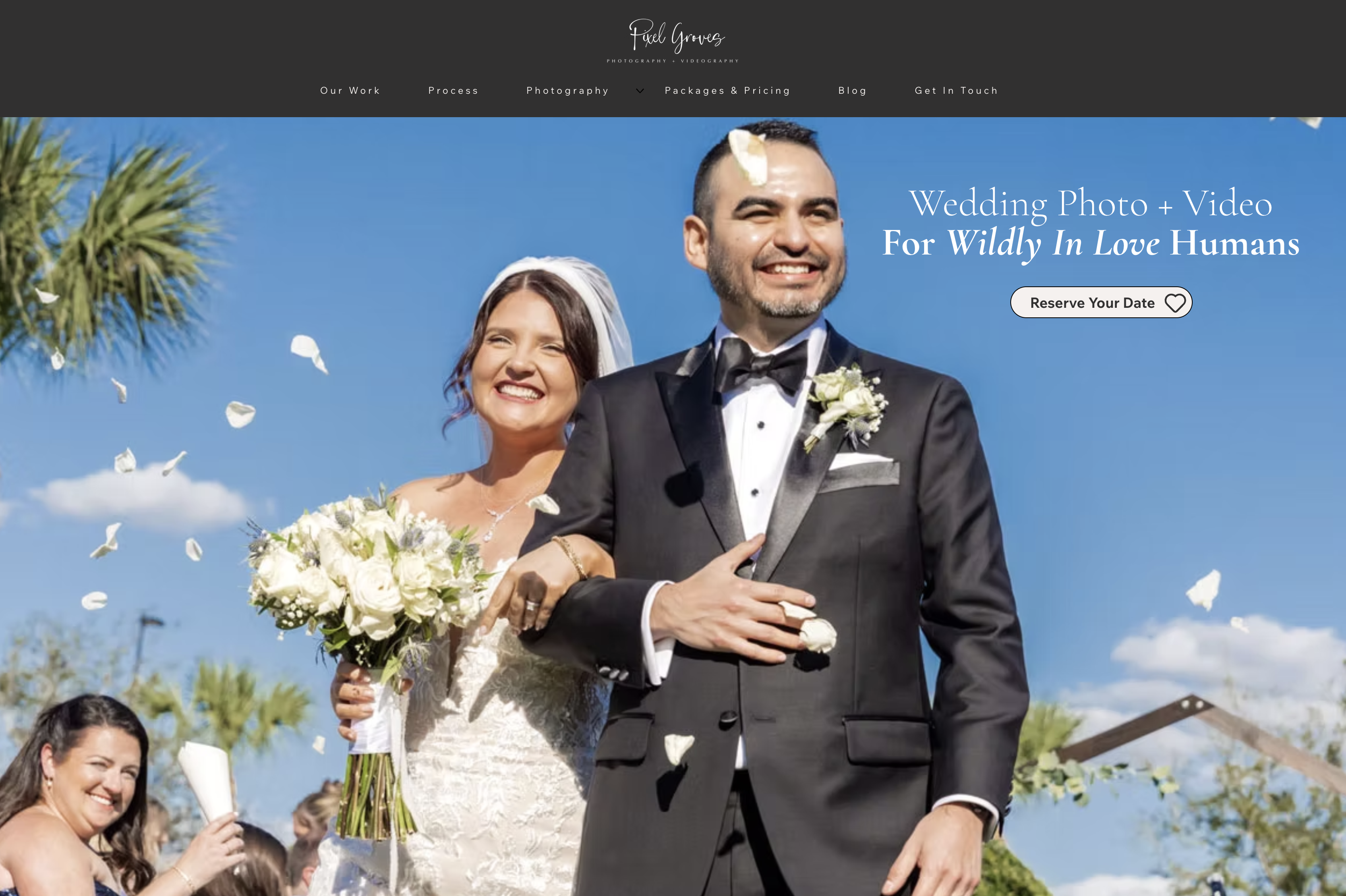
The Pixelgroves team brings years of storytelling experience to every wedding, with a documentary approach that captures genuine reactions without interrupting them. From emotional vows to the quiet moment you steal before the reception, every frame is built around your actual story. The 2025 Best of Florida Wedding Photographer Award reflects a consistent standard of work that couples across Florida trust with their most personal days. Browse wedding photography styles to see how that approach translates across different ceremonies, or review pricing and packages to find the coverage that fits your day.
FAQ
What are the most emotional moments at a wedding?
The most emotional moments include the first look, personal vows, parent dances, tributes to late loved ones, and surprise gestures involving children or stepfamily. These moments are consistently the ones couples and guests remember longest.
How do I get my photographer to capture candid emotions?
Share your family’s story and emotional context before the wedding, not just a shot list. Photographers who understand the relationships and dynamics in the room can anticipate emotional peaks and position themselves before the moment happens.
Is it normal to feel overwhelmed on my wedding day?
Emotional swings throughout the wedding day are completely normal. Experts confirm that feeling tearful, calm, and overstimulated at different points does not mean something is wrong. Accepting that range improves your overall emotional experience.
How can I honor a late family member at my wedding?
Playing an audio message or voicemail from a late loved one is one of the most powerful tributes couples include in ceremonies. Coordinate the audio with your sound team in advance and brief your photographer so they are ready to capture the room’s reaction.
What questions should I ask a wedding photographer about emotional moments?
Ask to see a full wedding gallery, not just highlight images, and ask how they approach documentary-style shooting. Questions about booking the right photographer help you confirm that their storytelling approach matches your priorities before you commit.
Recommended
Comments