Day After Wedding Photos: Lock Contracts and Sunset Timing for Couples

A day-after session is a dedicated portrait shoot in your wedding attire, scheduled once the ceremony pressure is gone, so you get relaxed, editorial-style images without a packed reception timeline running the clock. It works well for couples who want better light, a specific backdrop, or simply more time in front of the camera. If your wedding day timeline felt rushed or the light wasn’t right, booking one is usually worth the extra cost.
TL;DR:
Booking a day-after session allows for better lighting and more relaxed poses, often resulting in the most editorial images in the wedding album.
Timing the shoot for golden hour or blue hour significantly impacts image quality, requiring advance planning to match sunset times and location conditions.
Preparing the dress, hair, and makeup ahead of time and coordinating logistics ensures a smooth session, especially when scheduling on the same weekend as the wedding.
A detailed contract should specify date, location, hours, rescheduling policies, delivery timelines, and image rights to avoid delays or disputes.
Adding a day-after session as an extension of wedding coverage through a low-cost hourly option simplifies scheduling and ensures optimal lighting conditions.
Table of Contents
What counts as a day-after or post-wedding session
The terms get used loosely, but the industry generally recognizes a few distinct formats. A post-wedding session is a portrait shoot in wedding attire that can happen the morning after or months later, and these sessions commonly run long enough for multiple locations and a full range of portraits.
Day-after session: happens within 24 to 48 hours, while hair and makeup are still fresh and the dress hasn’t been packed away.
Trash-the-dress shoot: an intentionally rougher session, often at a beach or in water, where the dress isn’t meant to survive intact.
Anniversary shoot: scheduled months or years later, sometimes at a meaningful location like where you got engaged.
Each format delivers something different. A day-after session gives you the most natural continuity with your wedding look, while a trash-the-dress shoot trades preservation for dramatic, unconventional images.
Weighing the benefits against the added cost and effort
The biggest draw is time. Without a reception to run or guests to greet, you and your photographer can chase better locations and better light without watching the clock. That flexibility often produces the most editorial images in the entire wedding album.
Pro: no wedding-day time pressure, so poses and locations get more attention.
Pro: access to golden hour or blue hour light that a ceremony schedule often can’t accommodate.
Con: it’s an added expense on top of your wedding photography package.
Con: you’ll need to coordinate hair, makeup, and dress transport a second time.
Con: weather or vendor availability can force a reschedule, so build flexibility into your plans.
Pro Tip: Book your day-after session for the same weekend as your wedding when possible. Hair and makeup touch-ups are simpler, and out-of-town family or wedding party members are often still around to help with dress logistics.
Timing it right: golden hour, blue hour, and sample schedules
Light is the reason most couples book these sessions, so timing matters more than almost anything else. Golden hour gives warm, directional light that flatters skin tones and softens shadows, while blue hour is the shorter window of a short window after sunset often lasting under half an hour, prized for dramatic skies but trickier to shoot because it often needs longer exposures or supplemental lighting.
Morning-after session: shoot mid-morning for soft, even light, then break for lunch and a second look near sunset if your photographer offers a split session.
Same-weekend golden-hour session: schedule the shoot to start about 90 minutes before sunset, leaving time to move between two or three locations before the light fades.
Destination or anniversary session: plan around the local sunset time in advance, since light quality varies by season and geography more than most couples expect.
A few rules of thumb make any of these easier to plan. Build in a 15 to 20 minute buffer before your target start time, since sessions almost always run a little behind. If you specifically want blue-hour shots, tell your photographer in advance so they can bring the right gear, since that window closes fast and can’t be recreated once it passes.
Getting ready: hair, makeup, and dress logistics
Preparation is where most of the stress in a day-after session actually happens, not during the shoot itself. Decide early whether you’re reusing your wedding-day hair and makeup with a quick refresh, or booking a shorter touch-up appointment. Coordinate this timing directly with your hair and makeup schedule so nobody is rushing between the salon and the shoot location.
Dress care: have it steamed or pressed the morning of, and check the hem for stains before you leave.
Trash-the-dress caution: confirm with your dry cleaner or seamstress whether the dress can still be preserved afterward if you’re doing anything rougher, like sand or water.
What to pack: a touch-up kit, spare shoes for walking between locations, and a change of undergarments if the session runs long.
Pro Tip: Ask your photographer if they scout the location in advance. A quick site visit avoids surprises like construction, crowds, or bad parking that eat into your limited golden-hour window.
What your contract should cover before you book
A clear contract protects both sides, and it matters just as much for an add-on session as it does for the wedding day itself. According to Adorama’s guide to wedding photography contracts, agreements should spell out coverage hours, cancellation and postponement terms, delivery timelines, and payment terms, and couples should read those clauses closely before signing anything.
Session scope: exact date, time, location, and number of coverage hours included.
Cancellation and rescheduling: what happens to your deposit if weather or illness forces a change.
Delivery timeline: when to expect a teaser, the full gallery, and any printed album.
Usage rights: what you’re permitted to do with the images once delivered.
On delivery specifically, common industry timelines include a short teaser gallery within about 15 days and a full edited gallery within 60 to 90 days, with album delivery often counted from the date you submit your final photo selections. On rights, most photographers retain copyright and grant couples a personal usage license rather than transferring ownership outright, so ask in writing if you need broader permissions for commercial use.
Why this planning advice holds up
This guidance draws on photographer-level timeline planning and standard contract practices used across the wedding photography industry, not guesswork. Pixel Groves brings hands-on experience with Florida wedding timelines, golden-hour scouting, and the kind of sunset portrait work that day-after sessions are built around, backed by a 2025 Best of Florida Wedding Photographer Award. A well-planned session typically produces relaxed, editorial portraits with better light than a wedding day timeline usually allows.

Where couples get this planning wrong
Most couples treat a day-after session as an optional upgrade instead of a scheduling decision, and that’s the real mistake. The light windows this article covers, golden hour and blue hour, are fixed by geography and season, not by your preference, so a session booked without checking sunset direction or terrain often disappoints regardless of how good the photographer is.

The conventional advice to “just add golden hour to the contract” skips the harder question: does your photographer actually scout the location, and will they commit to blue hour if you want it, given the extra gear and exposure time it demands? Ask that before you ask about price.
If you prioritize one thing, prioritize the contract’s delivery and cancellation terms over the creative concept. A beautiful shoot idea means nothing if a vendor dispute over rescheduling or usage rights delays your gallery by months. Lock the paperwork first, then plan the light.
— Kellie
Booking a day-after session with Pixel Groves
Many couples add a day-after session as an extension of their existing coverage rather than booking it separately, and Pixel Groves’ Extra Hour add-on at $200 per hour is one straightforward way to extend wedding-day coverage into the next morning. Full package options, including the Premium, Exclusive, Orange, and Green Photography Packages, are listed on the pricing page if you’re planning the session as part of a larger booking.
[
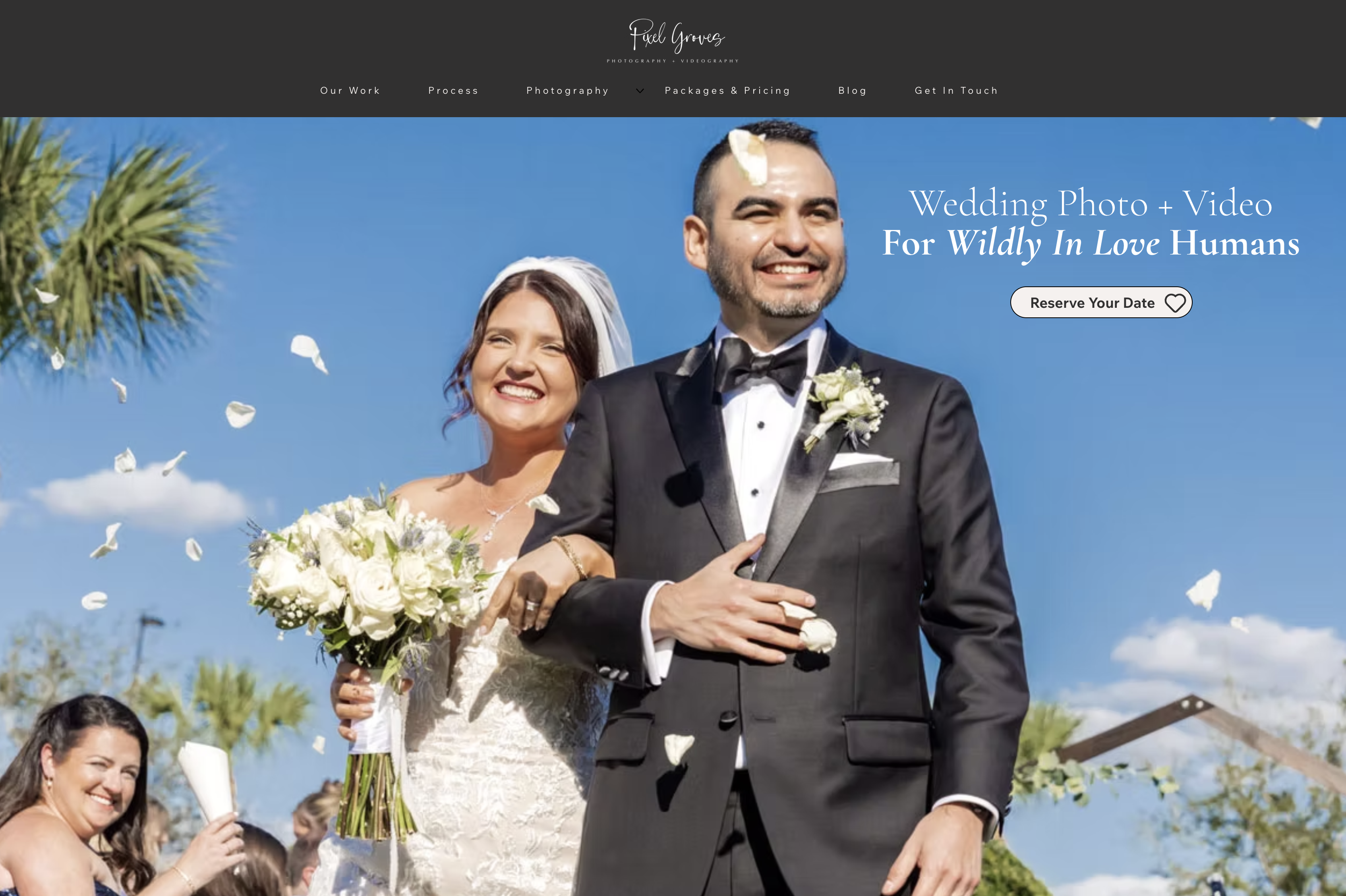
A booking call typically covers availability for your date, a quick discussion of location scouting, and the contract details outlined earlier in this guide, including delivery timelines and coverage hours. One indicator of a studio’s track record with Florida couples is holding awards in the wedding photography industry. Reach out through the pricing page to check availability and talk through which package fits your plans.
Sources
FAQ
What do most people do the day after their wedding?
Many couples rest, open gifts, or spend time with family who traveled in for the wedding, and some schedule a day-after portrait session to capture relaxed images without the ceremony’s time pressure. Sessions typically run long enough for multiple locations and a full range of portraits and can take place at a new location the couple didn’t get to visit on the wedding day itself.
What is the 30-5 rule for weddings?
This is not a standard or documented wedding photography rule, so specific claims about it aren’t verifiable here. If you’ve seen it referenced elsewhere, ask your photographer directly what timeline structure they recommend for your day.
How soon after a wedding do you get photos?
Delivery timing varies by photographer, but common industry practice includes a short teaser gallery within about 15 days and a full edited gallery within 60 to 90 days. Album delivery is often counted separately, starting once you submit your final photo selections.
What is the day after your wedding called?
It’s most often referred to as a “day-after session” or “post-wedding session,” and some couples use the term “trash-the-dress shoot” when the concept involves intentionally roughing up the dress. All three fall under the same general category of post-wedding portrait sessions held after the main event.
Recommended
Comments