Why Wedding Photos Feel Timeless: A Couple's Guide
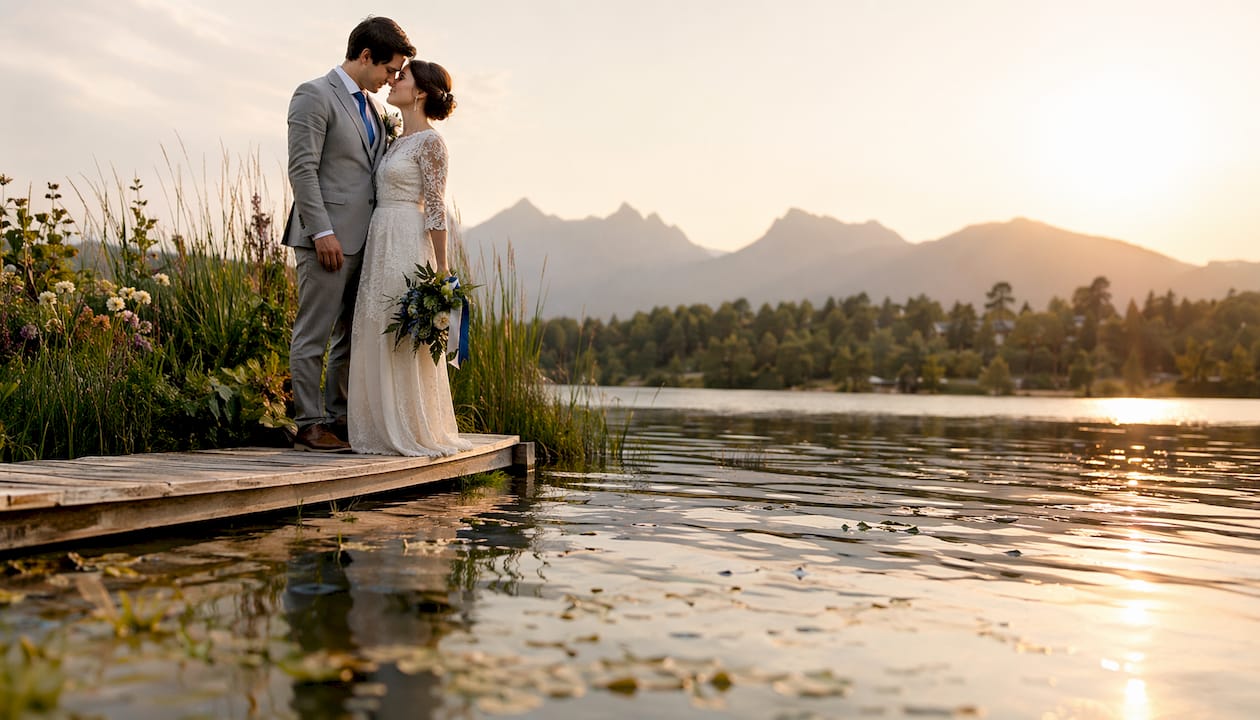
Timeless wedding photography is defined as images that evoke genuine emotion and remain visually relevant regardless of changing styles or passing decades. The reason why wedding photos feel timeless has nothing to do with expensive gear or trendy filters. It comes down to three core elements: emotional universality, honest light, and compositional restraint. Understanding these principles helps you make smarter decisions when choosing a photographer and planning your day. Pixelgroves, winner of the 2025 Best of Florida Wedding Photographer Award, builds every shoot around these exact principles.
Why wedding photos feel timeless: the emotional core
Timeless wedding photos capture emotional universality, meaning genuine human reactions that resonate across generations without needing cultural context. A viewer feels the emotion before identifying the subjects or the location. That quality is what separates a photo you return to every anniversary from one that feels like a snapshot.
The most powerful images come from what photographers call “moments between moments.” These are the quiet breath before a kiss, a grandmother’s hand squeezing yours, or the unguarded laugh between you and your partner during the ceremony. Posed shots rarely achieve this because the subjects are performing rather than feeling. Performance reads as performance, even decades later.
Forced poses and trendy moods fade in relevance because they are tied to a specific cultural moment. A photo styled to match a 2019 Instagram aesthetic will look like a 2019 Instagram photo in 2036. Genuine emotion has no expiration date.
Unguarded reactions: Tears, laughter, and wide-eyed surprise carry more weight than rehearsed smiles.
Physical tenderness: A hand on a shoulder or a forehead pressed together communicates intimacy without words.
Quiet in-between moments: The seconds before and after the big moments often hold the most feeling.
Shared glances: Eye contact between you and your partner tells a complete story in a single frame.
Pro Tip: Tell your photographer about two or three specific people whose reactions you want captured. A parent seeing you for the first time, a sibling who rarely cries. Giving your photographer that context helps them anticipate and position for those moments.
How does lighting influence the timelessness of wedding photography?
Honest, natural light is the single most reliable path to photos that age well. Light that serves the subject reveals texture, dimension, and color without overpowering the scene. Dramatic lighting rigs and heavy flash setups can look striking on the day, but they often feel theatrical in retrospect.
The lighting conditions that consistently produce classic wedding images share one quality: balance. They illuminate without flattening, and they add depth without creating harsh shadows that distract from faces.
Soft window light: Wraps around subjects evenly and creates gentle, flattering shadows that feel natural and warm.
Overcast outdoor light: Acts like a giant diffuser, eliminating harsh midday shadows and producing even skin tones.
Late afternoon sun: The hour before sunset delivers warm, directional light that adds dimension without overwhelming the scene.
Open shade: Keeps subjects out of direct sun while still using ambient daylight for a clean, consistent look.
Trendy lighting choices, such as heavy backlighting for a blown-out haze effect or colored gels, are tied to specific eras of photography. They look current for a few years, then dated for many more. Balanced, honest light simply looks like the day as it actually was.
Pro Tip: Ask your photographer to walk your venue with you before the wedding day. Identify where the best natural light falls at different times. That 20-minute walkthrough can shape the entire lighting strategy for your portraits.
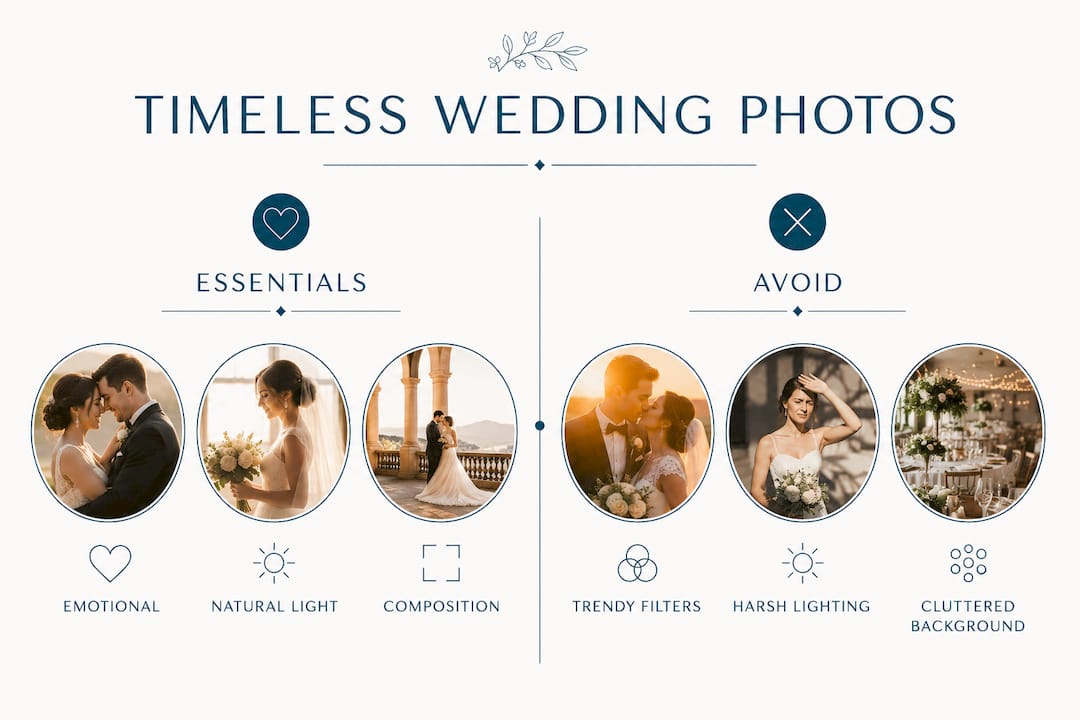
What compositional techniques make wedding photos classic?
Compositional restraint is the foundation of photos that last. The rule of thirds, leading lines, and negative space are not just photography school concepts. They align with how human vision naturally processes images, which is why they produce photos that feel satisfying across decades and stylistic shifts.
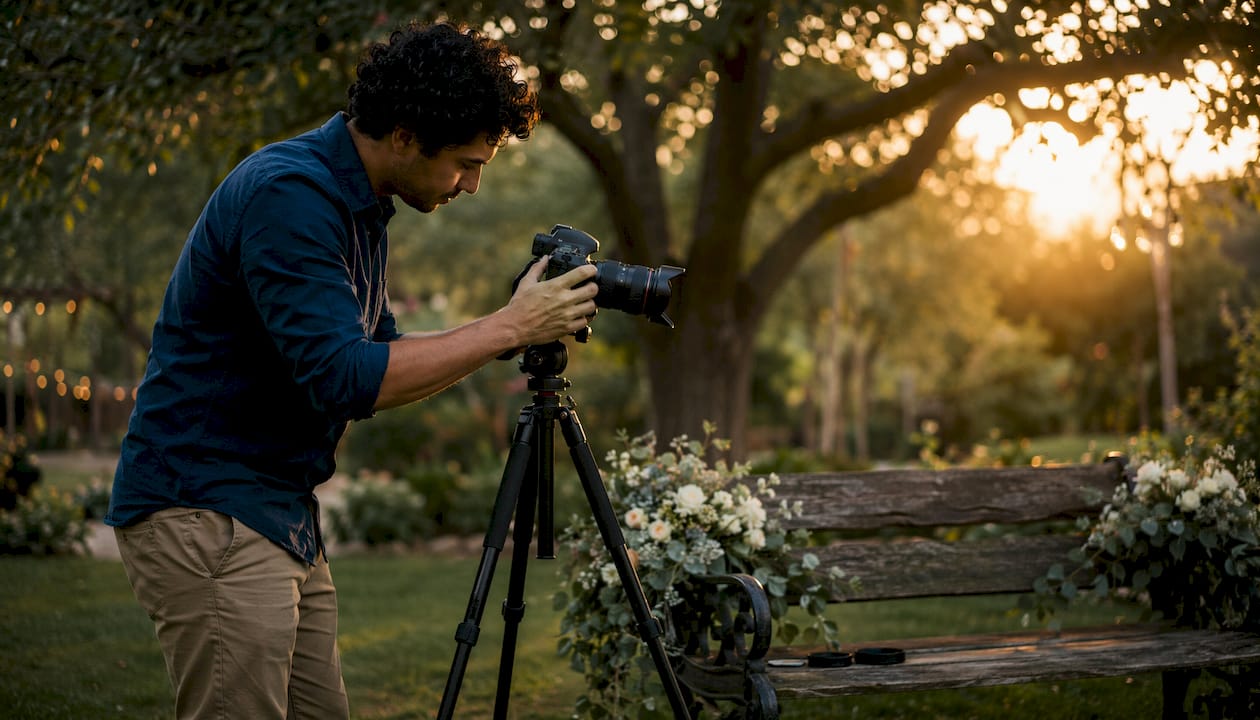
The rule of thirds places your subject off-center, creating visual tension and interest that draws the eye naturally. Leading lines, such as a path, an aisle, or a row of trees, guide the viewer directly to the subject without effort. Negative space gives the subject room to breathe and prevents the frame from feeling cluttered or anxious.
Composition approach | Why it works | Why it ages well |
Rule of thirds placement | Creates natural visual tension | Aligns with human visual processing |
Negative space around subject | Keeps focus clear and uncluttered | Removes visual noise that dates quickly |
Leading lines toward subject | Guides the eye without distraction | Relies on geometry, not trends |
Simple, clean backgrounds | Subject stands out immediately | Avoids era-specific decor as focal point |
Symmetry and geometric balance | Feels ordered and intentional | Grounded in visual cognition, not style |
Cluttered compositions, where the background competes with the subject, feel chaotic and are harder to look at over time. A photo with a busy backdrop from a specific venue trend will remind you of that trend first and your wedding second.
Pro Tip: When reviewing a photographer’s portfolio, cover the subjects with your hand and look at the background. If the background alone feels busy or distracting, the composition will age poorly. Clean backgrounds are a sign of disciplined framing.
You can explore how artistic framing choices translate into lasting wedding images to understand how technique and emotion work together.
Why does a photographer’s emotional connection matter?
Experience and feeling the moment are the most overlooked skills in wedding photography. A photographer who connects emotionally with the scene creates images that convey feeling far more effectively than one who relies on technical formulas alone. This is not a soft claim. It is the difference between a photo that stops you mid-scroll and one you skip past.
Photographers who capture natural, unforced moments do so through anticipation and positioning. They read subtle cues in body language and interaction. They blend into the environment so guests forget they are being photographed. That invisibility is what produces genuine expressions.
Anticipation over reaction: The best photographers position themselves before the moment happens, not after.
Environmental awareness: Moving quietly and avoiding constant direction keeps the atmosphere natural.
Reading body language: Subtle shifts in posture or eye contact signal an emotional moment is building.
Patience as a skill: Waiting for the right second rather than firing continuously produces fewer but stronger images.
A photographer’s emotional engagement matters more than their camera body or lens collection. Experience, not gear, is what produces photos that feel alive. When you meet with potential photographers, ask them to describe a moment from a recent wedding that moved them. Their answer tells you everything about how they work.
Hiring a photographer who prioritizes emotional connection, as described in this approach to capturing your day, is one of the most direct ways to protect the longevity of your wedding images.
How do you avoid editing styles that date your photos?
Excessive editing ages images quickly. Aggressive filters, heavy grain overlays, and trendy color grading are tied to specific moments in photography culture. They look fresh for two or three years, then they announce the era they were made in. Balanced, subtle edits that enhance without altering reality produce photos that remain true to the day.
Editing choices that support the original scene, rather than manufacture a mood, age far better. Accurate color, balanced contrast, and subtle tonal harmony preserve the authenticity of the moment. The goal is for the edit to be invisible. You should look at the photo and see your wedding, not the photographer’s editing software.
Avoid heavy presets: Presets applied uniformly flatten the natural variation in light and skin tone.
Watch for color casts: Orange or teal color grading is a signature of a specific era and will look dated fast.
Check skin tones: Accurate, natural skin tones are a reliable indicator of restrained editing.
Look for shadow detail: Crushed blacks and blown highlights are editing choices, not lighting realities.
Ask any photographer you consider: “How would you describe your editing philosophy?” A strong answer focuses on serving the image rather than applying a signature look. A weak answer describes a specific preset pack or filter style.
Pro Tip: Request a full wedding gallery from a photographer, not just their portfolio highlights. Portfolios show their best work. A full gallery shows their editing consistency across an entire day, including difficult lighting situations.
Key Takeaways
Timeless wedding photos result from emotional universality, honest light, compositional restraint, and a photographer who feels the moment rather than just frames it.
Point | Details |
Emotional universality | Genuine reactions like tears, laughter, and tenderness outlast any trend or editing style. |
Honest, natural light | Soft window, overcast, and late afternoon light serve the subject without overpowering the scene. |
Compositional restraint | Rule of thirds, negative space, and clean backgrounds keep focus on what matters across decades. |
Photographer’s emotional presence | Anticipation, patience, and blending in produce unforced moments that feel real and lasting. |
Editing philosophy | Subtle, balanced edits that serve the original scene age far better than trend-driven filters. |
What I’ve learned about photos that actually last
The couples who come back to me years later, holding a photo and saying “this is still my favorite,” are never pointing at the technically perfect shot. They are pointing at the one where something real happened. A father trying not to cry. A partner’s face the moment they saw you walking toward them. Those images work because they captured a feeling, not a composition.
I have seen beautifully lit, technically flawless photos become invisible within five years because the editing style announced the era too loudly. And I have seen slightly imperfect photos, taken in tricky light, become the ones a couple frames and keeps for life. The difference is always emotional truth.
My honest advice to couples is this: stop asking photographers about their gear. Start asking them how they prepare emotionally for a wedding day. Ask them what they do when a moment is building but the light is wrong. Their answer reveals whether they prioritize feeling or formula. The emotional moments guide I recommend to every couple I work with puts this principle into practical terms.
Photographic honesty is your love story made visible. Protect it by choosing a photographer who feels it, not just frames it.
— Kellie
How Pixelgroves captures wedding photos that last
Pixelgroves specializes in wedding photography built around emotional storytelling, honest light, and compositional discipline. Every package is designed to capture the moments that matter most, from quiet pre-ceremony nerves to the unscripted joy of the reception.
[

The team behind Pixelgroves holds the 2025 Best of Florida Wedding Photographer Award and brings years of experience reading wedding-day emotion before it peaks. Couples receive a personalized consultation to align on style, light preferences, and the specific moments they want preserved. Explore the full range of wedding photography styles to find the approach that fits your vision, or review pricing and packages to plan your investment with confidence.
FAQ
What makes wedding photos feel timeless?
Timeless wedding photos combine emotional universality, honest natural light, and compositional restraint. Genuine reactions and unforced moments outlast any editing trend or stylistic choice.
How does editing style affect how long wedding photos last?
Aggressive filters, heavy color grading, and trendy presets date photos quickly. Balanced, subtle edits that serve the original scene rather than manufacture a mood age far better over time.
What lighting conditions produce the most classic wedding images?
Soft window light, overcast outdoor light, and late afternoon sun consistently produce wedding photos that age well. These conditions illuminate subjects evenly without creating dramatic effects tied to a specific era.
Why does a photographer’s emotional connection matter more than their gear?
Photographers who feel the moment anticipate genuine reactions and position themselves before emotion peaks. That emotional engagement produces images that convey real feeling, which no camera body or lens can replicate on its own.
How can couples evaluate a photographer’s approach before booking?
Ask to see a full wedding gallery rather than a curated portfolio. Ask the photographer to describe a moment from a recent wedding that moved them. Their answers reveal whether they prioritize emotional presence or technical formula.
Recommended
Comments