What Is Editorial Wedding Photography? A Clear Guide
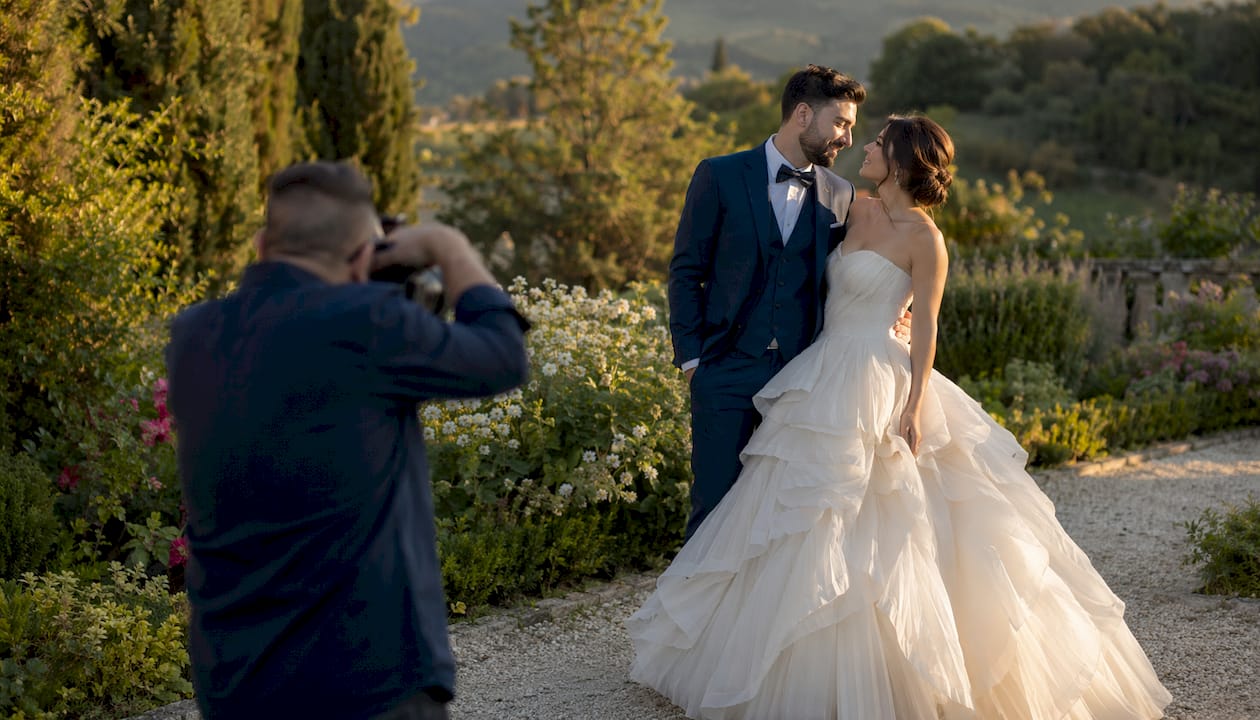
Editorial wedding photography is defined as a fashion-inspired, magazine-quality approach that blends intentional artistic direction with genuine emotional storytelling. Unlike purely candid styles, it uses guided poses, deliberate lighting, and careful composition to create images that look like they belong in Vogue or Martha Stewart Weddings. Couples who want photographs that feel both glamorous and deeply personal are drawn to this style for good reason. Understanding what sets it apart from other wedding photography styles helps you make a confident, informed choice before you book.
What is editorial wedding photography, exactly?
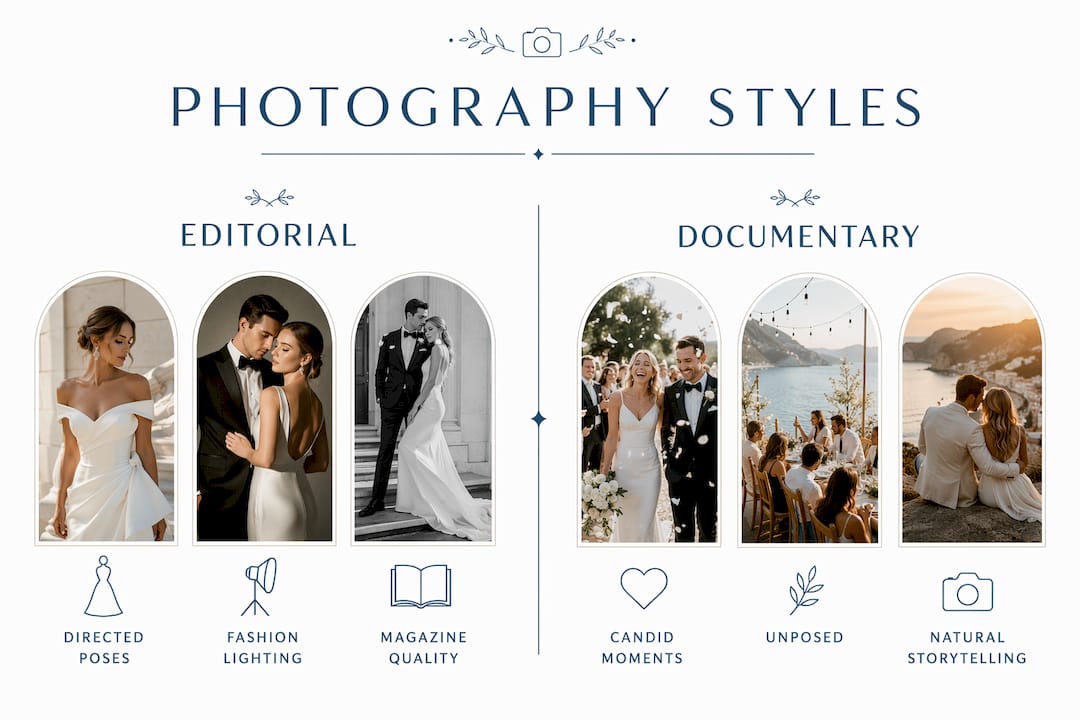
Editorial wedding photography is a highly stylized approach that borrows directly from fashion and magazine photography. The industry term for the broader category is “directed wedding photography,” but editorial is the specific subset that prioritizes visual drama, narrative flow, and a polished aesthetic above all else. Fashion-inspired posing and directional lighting create visual drama and narrative across images that feel both authentic and artistically controlled. That combination is what separates editorial from every other wedding photography style.
The photographer functions more like a creative director on an editorial shoot. They shape the light, position the couple, and choose backgrounds that reinforce the overall mood. The result is a gallery that reads like a curated story, not a collection of snapshots. Every frame has a clear visual purpose.
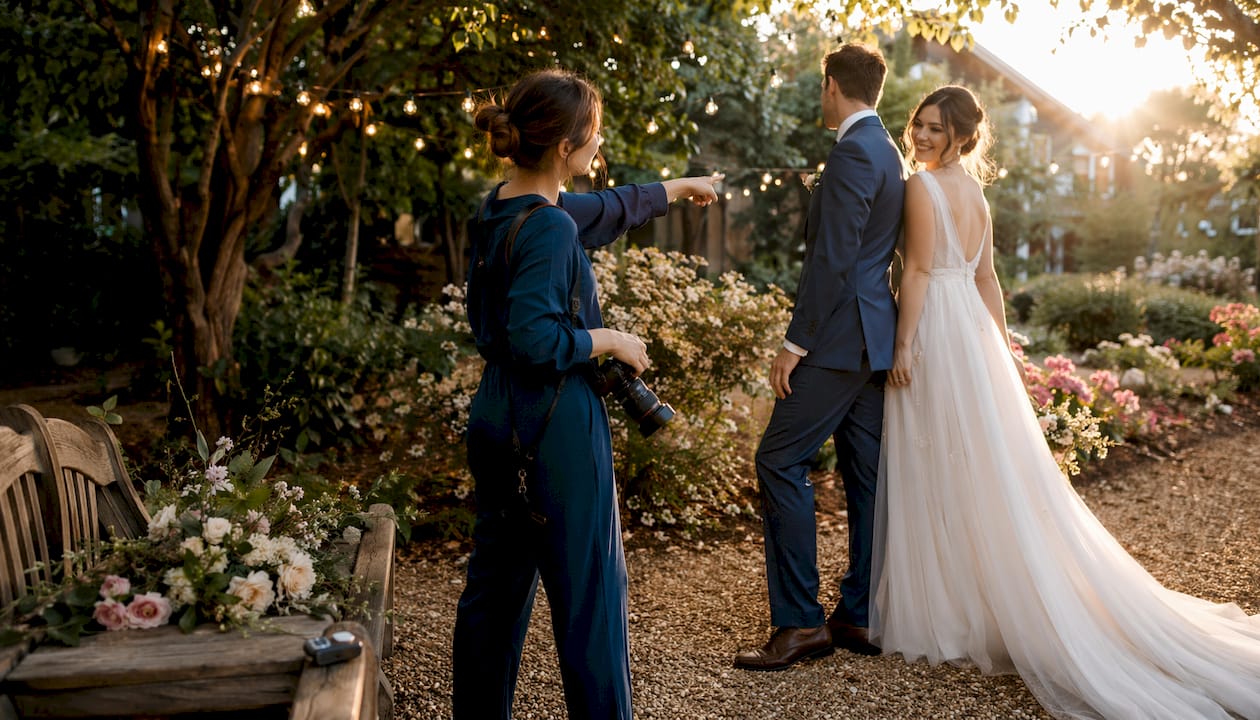
Emotion still drives the images. A skilled editorial photographer does not sacrifice feeling for aesthetics. Instead, they use artistic direction to draw out genuine reactions within a controlled visual framework. The couple looks stunning and real at the same time.
What stylistic elements define editorial wedding photography?
Several technical and artistic choices separate editorial work from other approaches.
Lighting is the most immediate differentiator. Editorial photographers use directional light, whether natural window light, off-camera flash, or a combination, to sculpt the couple’s features and create depth. Flat, even lighting rarely appears in editorial galleries.
Composition follows fashion photography rules. Negative space, strong leading lines, and deliberate framing all appear regularly. The couple is placed within the environment rather than simply standing in front of it.
Posing sits at the heart of the style. Editorial photography emphasizes beauty, light, color, and composition with some candid emotion but mostly controlled direction. Poses are guided but not stiff. The photographer gives specific direction, then watches for the natural moment that brings the pose to life.
Styling and environment matter as much as the people in the frame. Dark, moody editorial images suit candlelit industrial venues better than bright beach settings, which is why venue and wardrobe choices deeply influence the final look. Matching the photographer’s aesthetic to your venue is not optional. It is the foundation of a cohesive gallery.
Pro Tip: Ask your photographer to share a full gallery from a venue similar to yours. Highlight images can hide inconsistency. A full gallery reveals whether the editorial quality holds across an entire wedding day.
How editorial compares to related styles
Style | Approach | Photographer role | Visual result |
Editorial | Directed, fashion-inspired | Creative director | Magazine-quality, dramatic |
Documentary | Candid, unposed | Observer | Raw, journalistic |
Fine art | Painterly, light-focused | Artist | Soft, timeless |
Traditional | Formal, structured | Organizer | Classic, posed portraits |
Each style serves a different couple. Editorial suits those who want images that look intentional and cinematic. Documentary suits those who want pure, unscripted moments. Fine art appeals to couples drawn to soft tones and a timeless feel. Traditional works for families who prioritize formal group portraits above all else.
How does editorial wedding photography differ from other popular styles?
The clearest contrast is with documentary photography. Documentary wedding photography captures unposed, candid moments, while editorial focuses on stylized and posed imagery. These two styles differ significantly in photographer involvement and the final aesthetic. A documentary photographer stays invisible. An editorial photographer actively shapes every frame.
Fine art photography shares editorial’s attention to beauty, but the goals diverge. Fine art prioritizes mood, often using soft natural light and muted tones to create a painterly feel. Editorial reaches for drama and impact. The images are meant to stop you mid-scroll, not wash over you gently.
Traditional wedding photography is the most structured of all styles. It follows a shot list of formal portraits: family groupings, wedding party lineups, and standard couple poses. Editorial photographers do create portraits, but they approach them with a fashion eye rather than a checklist mentality.
Couples considering editorial photography should weigh these trade-offs:
Editorial strengths: Visually striking galleries, strong narrative flow, images that work as wall art or editorial features
Editorial trade-offs: Requires more direction from the photographer, which demands trust and comfort from the couple
Documentary strengths: Captures spontaneous emotion without interrupting the day
Documentary trade-offs: Results depend heavily on what naturally happens, with less visual control
Fine art strengths: Timeless, soft images that age beautifully
Fine art trade-offs: Less dramatic impact, may feel less personal for couples who want bold imagery
Understanding the difference in wedding photography styles before you book prevents regret after the wedding.
What to expect when booking an editorial wedding photographer?
Booking an editorial photographer involves more than signing a contract. The process shapes the quality of your final gallery.
Review full galleries, not just highlights. Consistency across full wedding galleries is the best indicator of true editorial skill. Ask for two or three complete galleries from different venues and lighting conditions.
Understand the financial structure. Retainer fees typically range from 25% to 50% at booking, with the final payment due two weeks before the wedding. Overtime fees commonly run $200–$400 per hour beyond the contracted time. Budget for this possibility, especially if your reception runs long.
Plan for adequate coverage hours. Mid-tier packages typically include 8–10 hours of coverage, often with an engagement session and an online gallery. Editorial photographers need time to work. Rushing a styled shoot produces generic results.
Schedule a pre-wedding meeting. Meeting in person or via video before booking is recommended because personality clashes produce less natural photos. Editorial posing requires trust. You need to feel comfortable taking direction from this person on one of the most important days of your life.
Set delivery expectations. Industry-standard turnaround time is 6–8 weeks, with 400–800 images delivered per photographer. If a second shooter is included, expect 600–1,200 images. Confirm these numbers in writing before signing.
Pro Tip: Ask your photographer how they handle direction with couples who feel awkward in front of the camera. Their answer tells you everything about their editorial approach and their people skills.
How can couples prepare to get the best editorial wedding photos?
Preparation directly affects the quality of your editorial gallery. The most visually striking images come from couples who have thought through the details in advance.
Styling and wardrobe carry enormous weight. Editorial photography rewards intentional choices. A gown with texture, movement, or architectural detail photographs dramatically better than a flat, simple silhouette. Accessories, bouquet colors, and even the groom’s suit should align with the mood your photographer is building.
Venue alignment is equally critical. Dark, moody editorial images suit candlelit industrial venues better than bright beach settings. If you love a dramatic, high-contrast editorial look but your venue is an open-air garden, talk to your photographer early about how they plan to adapt their lighting approach.
Skincare and beauty prep affect how you look in high-resolution, fashion-quality images. Starting wedding prep skin treatments several months before the wedding gives your skin time to respond and glow naturally on the day. Editorial lighting is unforgiving. Healthy, prepared skin photographs with a luminosity that no editing can fully replicate.
Comfort in front of the camera is the final piece. Read up on how to feel comfortable in wedding photos before your engagement session. Use that session as a rehearsal for your wedding day. Couples who have practiced taking direction from their photographer produce far more natural editorial images.
Pro Tip: Bring a small emergency kit to your shoot: blotting papers, a travel-size hairspray, and a mirror. Editorial photographers pause between setups, and a quick touch-up keeps your look consistent across the gallery.
Key Takeaways
Editorial wedding photography is the most visually intentional style available, and it delivers the strongest results when couples choose a photographer whose aesthetic matches their venue, invest time in preparation, and build genuine trust before the wedding day.
Point | Details |
Core definition | Editorial photography uses directed poses, fashion lighting, and narrative composition for magazine-quality results. |
Style comparison | Documentary captures candid moments; editorial shapes them. Choose based on how much visual control you want. |
Booking essentials | Review full galleries, confirm 6–8 week delivery, and budget for a 25–50% retainer at signing. |
Preparation matters | Wardrobe, venue alignment, and skincare prep directly influence the quality of your editorial gallery. |
Photographer connection | Trust between couple and photographer is the single biggest factor in authentic editorial images. |
Why the connection you feel with your photographer changes everything
I have watched couples walk into editorial shoots with stiff shoulders and uncertain smiles, and I have watched those same couples leave with images that made them cry. The difference was never the lighting setup or the venue. It was always the relationship they had built with their photographer before the camera came out.
Editorial photography gets misread as cold or performative. Couples sometimes assume that because the images look polished, the experience must feel artificial. That is the biggest misconception I see. The best editorial images I have ever encountered carry real emotion precisely because the photographer earned the couple’s trust. When you feel safe with the person directing you, you stop performing and start feeling. That is when the magic happens.
The practical takeaway is this: do not book an editorial photographer based on their portfolio alone. Book them after a real conversation where you felt heard, understood, and genuinely excited. A stunning portfolio from a photographer you do not connect with will produce beautiful images of two people who look slightly uncomfortable. A strong portfolio from a photographer you trust will produce images that look like you, on the best day of your life.
Couples who treat the engagement session as a throwaway obligation miss its real purpose. That session is where you learn to take direction, where the photographer learns how you move and laugh, and where the editorial language between you gets established. Invest in it fully.
— Kellie
How Pixelgroves approaches editorial wedding photography
Pixelgroves specializes in artistic wedding photography that blends fashion-inspired direction with genuine emotional storytelling. The team holds the 2025 Best of Florida Wedding Photographer Award and brings years of experience to every editorial shoot, from intimate ceremonies to full-scale receptions.
[
Every couple receives a personalized consultation before booking, so the photography style, venue aesthetic, and overall vision align from the start. Pixelgroves offers tailored wedding photography packages that cover editorial coverage, engagement sessions, and videography for couples who want a complete creative team. If you want images that tell your story with the visual impact of a fashion editorial, Pixelgroves is built for exactly that.
FAQ
What is editorial wedding photography in simple terms?
Editorial wedding photography is a directed, fashion-inspired style that creates magazine-quality images through intentional posing, lighting, and composition. It blends artistic control with genuine emotion to tell your wedding story visually.
How is editorial different from documentary wedding photography?
Documentary photography captures unposed, candid moments without photographer involvement, while editorial uses active direction and styling to shape each image. The two styles differ in both process and final aesthetic.
How many photos will I receive from an editorial wedding photographer?
Couples typically receive 400–800 images from a single photographer, or 600–1,200 images when a second shooter is included, delivered within 6–8 weeks of the wedding.
Do I need to be comfortable posing for editorial wedding photography?
Yes. Editorial photography relies on guided poses, so comfort with direction matters. A pre-wedding meeting and an engagement session help build the trust that makes posed images feel natural rather than stiff.
How much does editorial wedding photography cost?
Pricing varies by market and package, but most photographers require a retainer of 25–50% at booking, with overtime fees running $200–$400 per hour beyond the contracted coverage time.
Recommended
Comments