Over 120 Guests? Second Shooter Playbook for Couples and Photographers
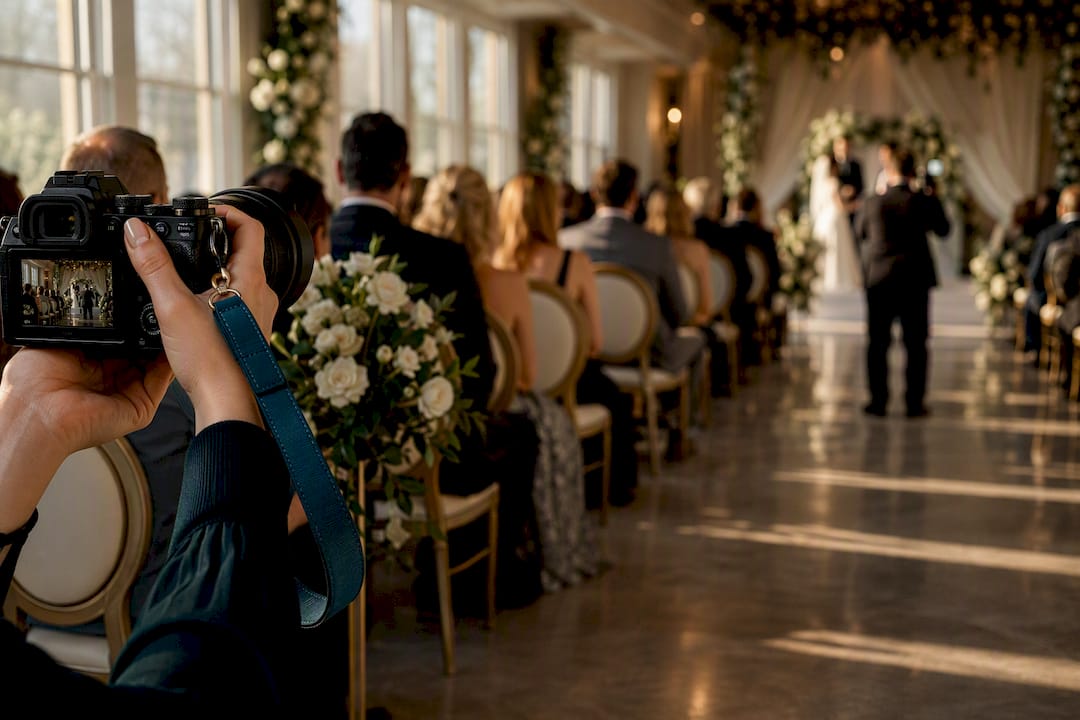
A second shooter is a photographer hired to capture the angles, moments, and reactions the lead photographer physically cannot cover alone. You need one when your guest count climbs past 120, when getting-ready happens in two different locations, or when your ceremony and reception timeline leaves no room for the lead to be everywhere at once. Skip one for smaller, single-location weddings where one skilled shooter can generally cover effectively.
TL;DR:
A second shooter is necessary for weddings with more than 120 guests, multiple prep locations, overlapping rituals, or limited golden hour time.
During the day, the second shooter covers getting-ready shots, guest reactions, details, and alternate angles, always aligned with the lead’s position and signals.
Most agreements state a flat fee between 350 and 700 dollars, with the second signing over copyright rights to the lead studio and limited portfolio use rights.
Building strong communication, offering pre-culling with tools like Aftershoot, and punctuality increase the chances of repeat bookings for second shooters.
Pixel Groves includes second-shooter coverage in larger wedding packages for weddings crossing multiple venues or exceeding 120 guests to ensure comprehensive coverage.
Table of Contents
What a Second Shooter Actually Does During a Wedding
The core job is simple: be somewhere the lead isn’t. While the lead photographer focuses on the bride’s final touches, the second shooter is often across the hall catching the groom cracking a joke with his groomsmen. During the ceremony, the second grabs guest reactions, candid tears, and the wide shot while the lead stays tight on the couple’s faces. That kind of parallel coverage is the entire reason second shooters exist — they capture what the lead can’t be present for.
A typical day covers:
Getting-ready shots for whichever partner (or location) the lead isn’t with
Guest reactions and candid moments during the ceremony
Detail shots: rings, invitations, table settings, the dress on a hanger
Alternate ceremony angles from the back of the room or a side aisle
Reception coverage while the lead steps away for formal portraits
It helps to separate the roles clearly. A wedding photography assistant carries gear, holds reflectors, and manages logistics but rarely shoots. A second photographer brings their own camera and creative eye and delivers usable images. A videographer is a separate hire entirely, working in a different medium with different equipment and deliverables. And unless the couple’s contract says otherwise, the second shooter is not the backup lead or the point of contact for the couple. Every question about timeline, poses, or family drama still routes through the lead.
When You Need a Second Shooter: A Quick Decision Checklist
Not every wedding needs one. Here’s a five-question test that cuts through the guesswork:
Will you have more than 120 guests? Bigger crowds mean more candid moments happening simultaneously, and one camera can’t be in two places.
Are you and your partner getting ready in separate locations? If prep happens in two houses or two hotel wings, someone needs to cover both.
Do you have overlapping rituals? A Jewish ketubah signing and a groom’s whiskey toast happening at the same time both deserve coverage.
Is your golden hour tight? If portraits, family formals, and cocktail hour all compete for the same 45 minutes of light, a second shooter buys you flexibility.
Do you want both wide establishing shots and tight emotional close ups from your ceremony? One photographer can only choose one angle at a time.
If you answered “yes” to two or more, budget for a second shooter instead of trimming your reception coverage hours. If you answered no to all five, put that money toward a longer photo booth rental or an extra hour of golden-hour portraits instead. A small, intimate wedding at one venue rarely needs the extra body behind a camera.
Day-of Checklist and Camera Positioning Playbook
The best second shooters treat the wedding day like a rehearsed routine, not an improv session. That starts well before the ceremony.
Before the wedding: confirm the shot list with the lead, review the prep timeline, and match your gear to theirs where you can. Matching camera brand, white balance presets, or at least lens focal lengths keeps RAW files intercutting smoothly during editing. If your gear doesn’t match, document your settings and send a short processing note so the lead can color-match faster.
Arrival and logistics: show up at the confirmed call time, check in with the lead in person, and settle communication signals for the day, whether that’s a hand gesture or a quick text. Eat when the lead eats. A hungry second shooter starts missing shots by hour six.
Ceremony positioning: pick complementary angles, not mirror images. If the lead is shooting straight down the aisle, move to a side angle or head to the back for guest reactions. Never cross into the lead’s frame during vows or the first kiss.
Reception and file handling: keep shooting candid detail shots while the lead manages formals, then deliver files the way the lead asked, whether that’s a labeled card handoff or an organized folder upload that night.
Pro Tip: Pre-cull your RAW files before handoff using an AI culling tool like Aftershoot. It shaves hours off the lead’s editing time and it’s often the single fastest way to get rebooked.
Contracts, File Ownership, and Standard Pay Rates
Most second-shooter agreements follow a predictable pattern, and knowing it upfront avoids awkward conversations later.
Pay schedule: a flat day rate, usually paid within a week or two of the wedding, not tied to final gallery delivery.
Copyright assignment: the second typically signs over image rights to the lead studio, since the couple’s contract is with the lead, not the second.
Portfolio rights: most contracts allow the second to post a limited number of images after an agreed waiting period, often 30 to 60 days.
Cancellation terms: a kill fee or minimum notice period protects both sides if the wedding is postponed or the second has to cancel.
Lead ownership and single-gallery delivery exist so couples receive one cohesive set of images instead of two competing editing styles. Typical U.S. day rates run about $350 to $700 for an 8 to 10 hour day, with major metro markets pushing toward the higher end. Rates climb further for shooters who bring their own lighting gear, drone certification, or a strong track record of pre-culled, ready-to-edit deliveries.
How to Become a Reliable Second Shooter
Getting hired once is easy. Getting hired again is the actual goal, and it comes down to a handful of habits.
Build a dedicated second-shooting section on your portfolio site, separate from your own lead work, so studios can quickly judge your fit.
Join local wedding photographer directories and Facebook groups where leads post second-shooter calls.
Offer to pre-cull your RAW files with tools like Aftershoot before handoff. It’s a small effort that makes you noticeably easier to work with.
Set your rate, portfolio rights, and delivery format in writing before every gig, even for photographers you’ve worked with before.
Follow up after each wedding with a short note thanking the lead. Leads rebook the seconds who make their job easier, not just the ones who take good photos.
Networking matters more than talent alone. A second shooter who communicates clearly and shows up early gets called back long before one with a flashier portfolio but a reputation for freelancing on angles.
Why Pixel Groves Builds Second Shooters Into Bigger Weddings
We add a second shooter whenever a wedding spans multiple venues or crosses 120 guests, because one camera simply can’t hold both the groom’s prep and the bride’s final dress moment at the same time. That policy, paired with the detailed shot lists we build with every couple, contributed to our 2025 Best of Florida Wedding Photographer recognition. At one Space Coast wedding with a sunset ceremony and a same-hour cocktail hour, our second shooter caught the ring exchange from the guest side while our lead held the couple’s faces in tight, golden light. Neither angle exists without the other.
— Kellie
How Pixel Groves Handles Second-Shooter Coverage
Pixel Groves builds second-shooter coverage into our larger wedding photography packages, so you’re not scrambling to find and vet a freelancer on your own.
[
When you book with us, we walk through your ceremony flow and guest count together and recommend a second shooter if your day calls for one, whether that’s a large guest list, two prep locations, or back-to-back rituals. You get one cohesive gallery, shot in a consistent style, delivered through a single point of contact instead of juggling two photographers’ separate workflows. If you’re weighing whether your wedding needs the extra coverage, check our pricing and packages or reach out for a quick consult. We’ll tell you honestly whether a second shooter fits your day or whether your budget is better spent elsewhere.
Sources
Recommended
Comments