Florida Spring Wedding Photography Considerations Guide
Updated: Oct 9
Florida spring wedding photography considerations cover timing, lighting, venue selection, weather management, and booking logistics to ensure your photos capture every genuine moment of your day. Spring from March through May is widely regarded as the ideal season for Florida wedding photography, offering lush florals, manageable humidity, and extraordinary natural light. Full-day coverage averages $3,000, with elopement packages starting at $850. That pricing context matters because it shapes how you allocate your photography budget across coverage hours, permits, and style preferences. Booking a photographer 10 to 14 months ahead is standard practice for spring dates, since demand peaks sharply during this season.
What are the best florida spring wedding photography considerations to start with?
The single most important decision you make is when during the day your portraits happen. Everything else, including venue, style, and weather, flows from that choice. Florida’s spring light is generous, but it rewards couples who plan around it rather than against it.
Golden hour timing
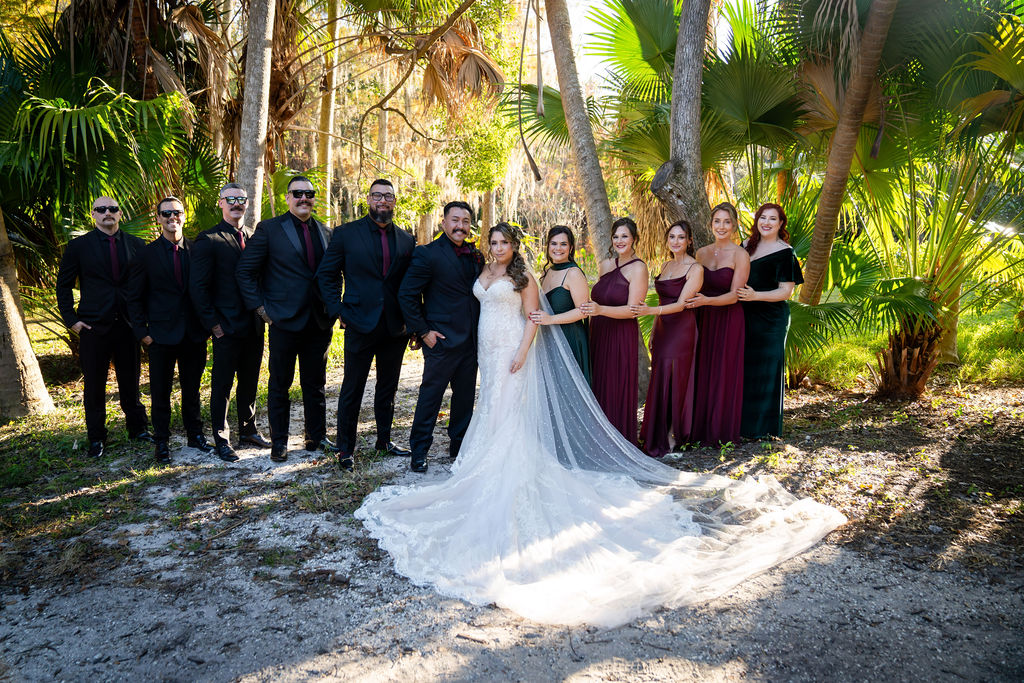
Golden hour, the 45 to 60 minutes before sunset, produces the softest and most flattering light available for outdoor portraits. The warm, diffused glow wraps skin tones beautifully and eliminates the harsh shadows that ruin otherwise perfect shots. In May, Florida sunsets fall close to 8 PM, which means your golden hour portraits can happen well after dinner if your timeline is structured correctly. That later sunset is one of spring’s biggest advantages over fall or winter weddings in the state.
Midday sun, roughly 11 AM to 3 PM, is the one window photographers consistently advise against for portraits. Harsh midday light creates unflattering shadows under eyes and chins, washes out dress details, and forces squinting. If your ceremony falls in that window, a skilled photographer will find shade, use reflectors, or position you strategically, but golden hour portraits will always outperform midday ones.
Pro Tip: Schedule a “first look” session before the ceremony so you bank intimate portraits early, then use golden hour exclusively for the sweeping, romantic shots that define a Florida spring wedding.
Sunrise as a genuine alternative
Sunrise ceremonies offer cooler temperatures, near-empty beaches, and pastel pink and golden yellow tones that are simply impossible to replicate at any other time of day. The light at sunrise feels ethereal and dreamy in a way that even golden hour cannot fully match. Crowds are minimal, which means you get unobstructed shoreline shots without strangers walking through your frame. The trade-off is an early call time, but couples who commit to it consistently describe the results as the most distinctive photos from their wedding day.
Golden hour: warm, amber tones, best for portraits and couple shots
Sunrise: pastel pinks and golds, cooler temps, private beach access
Midday: avoid for portraits; use for detail shots and venue architecture instead
Late afternoon: transitional light, works well for candid reception coverage
How do Florida spring weather and environment influence wedding photography?
Florida spring weather is predictable in its unpredictability. Brief afternoon showers, coastal wind, and humidity are standard features of the season, not exceptions. The photographers who produce the most memorable spring wedding images are the ones who treat these conditions as creative tools rather than obstacles.
Light rain and wind create cinematic, dynamic photos that a perfectly clear day simply cannot deliver. Wind moves veils and dresses in ways that no posing direction can replicate. A passing shower adds dramatic skies, reflective puddles, and an emotional intimacy between couples that feels completely authentic. The key is preparation, not avoidance.
“Hold the day loosely. The couples who embrace what Florida gives them, whether that’s a gust off the Gulf or a five-minute rain shower, walk away with photos that feel alive.” This is the philosophy that separates genuinely great Florida wedding photographers from technically competent ones.
Humidity is manageable with the right preparation. Strong-hold hairspray, a light wrap for outdoor transitions, and a touch-up kit kept nearby handle the practical side. Your photographer should factor humidity into lens care as well, since condensation on glass is a real issue when moving between air-conditioned interiors and warm outdoor settings.
Permit requirements add a logistics layer that catches many couples off guard. Beach permits in Florida start at $50 and are issued by county authorities. Drone photography requires separate authorization, and many popular beach locations have specific restrictions on commercial drone use. A local photographer who regularly shoots in your chosen area will already know which permits apply and how to secure them efficiently.
Scheduling your ceremony on a weekday or early morning also reduces crowd interference at public beach locations. This is a practical move that pays off directly in the quality of your wide-angle shoreline shots.
Which Florida spring wedding venues and natural elements enhance photography?
Venue selection shapes every photograph you will take on your wedding day. The architecture, natural surroundings, and available light at your location either give your photographer material to work with or force them to manufacture it. Florida’s 30A corridor and Gulf Coast offer some of the most photogenic wedding settings in the country.
Rosemary Beach brings European-style architecture with cobblestone courtyards and white-washed facades that photograph beautifully in both golden hour warmth and overcast diffused light. Alys Beach offers a modern, all-white aesthetic that reflects light in a way that makes portraits feel luminous. Seaside delivers pastel-colored storefronts and a charming town-square setting that reads as distinctly Florida without feeling generic. Coastal spots like Gulf Place and Santa Rosa Beach provide wide-open shorelines and unobstructed sunset views that work for everything from ceremony coverage to sweeping couple portraits.
Venue | Best photography feature |
Rosemary Beach | European architecture, courtyard framing, cobblestone texture |
Alys Beach | White walls that reflect and amplify natural light |
Seaside | Pastel color palette, town-square candid opportunities |
Gulf Place | Open shoreline, unobstructed sunset horizon |
Santa Rosa Beach | Dune backdrops, wide coastal light, privacy |
Shot lists built around venue-specific features produce far more authentic images than lists assembled from Pinterest trends. Using water reflections, framing through Spanish moss or coastal dunes, and incorporating architectural details unique to your venue creates a visual story that belongs to your wedding specifically. Generic shot lists produce generic photos. A photographer who has worked your venue before will already know which angles catch the best light at which time of day, and that local knowledge is worth more than any equipment upgrade.
Pro Tip: Ask your photographer to walk your venue at the same time of day as your ceremony, at least once before the wedding. The light at 6 PM in April looks completely different from the light at 6 PM in October, and that pre-shoot reconnaissance changes everything.
How do you select and coordinate with a Florida wedding photographer?
Choosing a photographer for a Florida spring wedding is not just about portfolio aesthetics. It is about finding someone who understands the specific conditions of your venue, season, and timeline well enough to adapt in real time.
Book 10 to 14 months in advance. Spring demand peaks sharply, and the best local photographers fill their calendars early. Waiting until six months out significantly limits your options.
Prioritize local Florida expertise. A photographer who knows Florida’s light and weather will navigate permit requirements, golden hour timing, and venue-specific challenges without needing direction from you.
Understand pricing tiers. Elopements start around $850; full-day coverage averages $3,000. Most photographers require a 50% retainer with the balance due close to the event date. Knowing this structure helps you plan cash flow accurately.
Discuss photography styles explicitly. Light and airy, true-to-color, and documentary styles each produce a fundamentally different look. Review full wedding galleries, not just highlight images, to understand what a photographer’s consistent output actually looks like.
Build your timeline collaboratively. Coverage hours, first look placement, golden hour portrait windows, and reception coverage all need to be mapped together. A photographer who plans coverage hours with you before the day will always outperform one who improvises on site.
When choosing a wedding photographer in Florida, ask specifically about their experience with your venue and their approach to weather contingencies. A confident, specific answer tells you they have been in that situation before. A vague answer tells you they have not.
For couples considering beauty and styling choices that photograph well under Florida’s spring golden hour light, seasonal style guidance can help you coordinate looks that hold up beautifully in warm, diffused outdoor light.
Key takeaways
Florida spring wedding photography succeeds when timing, venue knowledge, and local photographer expertise work together to capture authentic moments in the state’s extraordinary natural light.
Point | Details |
Book early | Reserve your photographer 10 to 14 months ahead; spring dates fill faster than any other season. |
Prioritize golden hour | Schedule portraits 45 to 60 minutes before sunset for the softest, most flattering light. |
Embrace weather conditions | Wind and light rain create cinematic images; prepare practically rather than trying to avoid them. |
Choose venue-specific shot lists | Build your shot list around your venue’s actual features, not generic online trends. |
Verify permits and logistics | Beach permits start at $50; drone use requires separate authorization from county authorities. |
What I’ve learned from years of Florida spring weddings
I have watched couples spend months agonizing over florals and catering, then book their photographer three months out and wonder why their options felt limited. The photography timeline is the one that actually controls everything else, because the photographer shapes how your entire day is structured.
The advice I give couples most often is this: stop treating weather as a threat. I have seen a five-minute rain shower produce the most emotionally powerful images of an entire wedding day. The couple who laughs through it, who holds each other under an umbrella while the Gulf churns behind them, gets something no amount of perfect sunshine can manufacture. Florida’s spring environment is genuinely cinematic. The light shifts, the air moves, the sky does things that photographers in other states would drive hours to find.
What separates a good Florida spring wedding photographer from a great one is not gear or editing style. It is the ability to read light as it changes and move you into the right position before the moment passes. That skill only comes from shooting in Florida specifically, repeatedly, across different seasons and venues. When you look at a photographer’s Florida wedding portfolio, you are not just evaluating their taste. You are evaluating how well they know the light.
Balancing posed and candid coverage is the other thing I feel strongly about. Posed portraits give you the images you will frame. Candid documentary coverage gives you the images that will make you cry twenty years from now. You need both, and the timeline needs to protect space for both.
— Kellie
Capture your Florida spring wedding with Pixelgroves
Pixelgroves brings deep Florida venue knowledge and award-winning storytelling to every spring wedding they photograph. Their team holds the 2025 Best of Florida Wedding Photographer Award and works across the Gulf Coast’s most photogenic locations, from Rosemary Beach to Santa Rosa Beach.
[
Every couple receives a personalized consultation that maps golden hour timing, venue-specific shot planning, and full coverage logistics before the wedding day begins. Whether you are planning an intimate elopement or a full-day celebration, Pixelgroves tailors every package to your story. Explore their photography styles and packages or review detailed pricing tiers to find the coverage that fits your vision.
FAQ
What is the best time of year for wedding photography in Florida?
Spring from March through May is the best season for Florida wedding photography due to lush florals, manageable humidity, and exceptional natural light. Golden hour in May falls close to 8 PM, giving couples extended time for outdoor portraits.
How far in advance should you book a Florida wedding photographer?
Book your photographer 10 to 14 months before your spring wedding date. Spring is the highest-demand season in Florida, and top local photographers fill their calendars well over a year out.
Do you need a permit for beach wedding photography in Florida?
Beach permits are required for Florida beach weddings and start at $50, issued by county authorities. Drone photography requires separate authorization, and restrictions vary by location.
What photography styles work best for Florida spring weddings?
Light and airy, true-to-color, and documentary styles each suit Florida spring conditions differently. Light and airy maximizes the soft golden hour glow, while documentary style captures candid moments that tell the full story of your day.
How much does wedding photography cost in Florida?
Full-day coverage averages $3,000, while elopement packages start around $850. Most photographers require a 50% retainer at booking with the remaining balance due close to the wedding date.
Recommended
Comments