Three Engagement Photo Outfit Formulas You Can Copy Today
Updated: 3 days ago
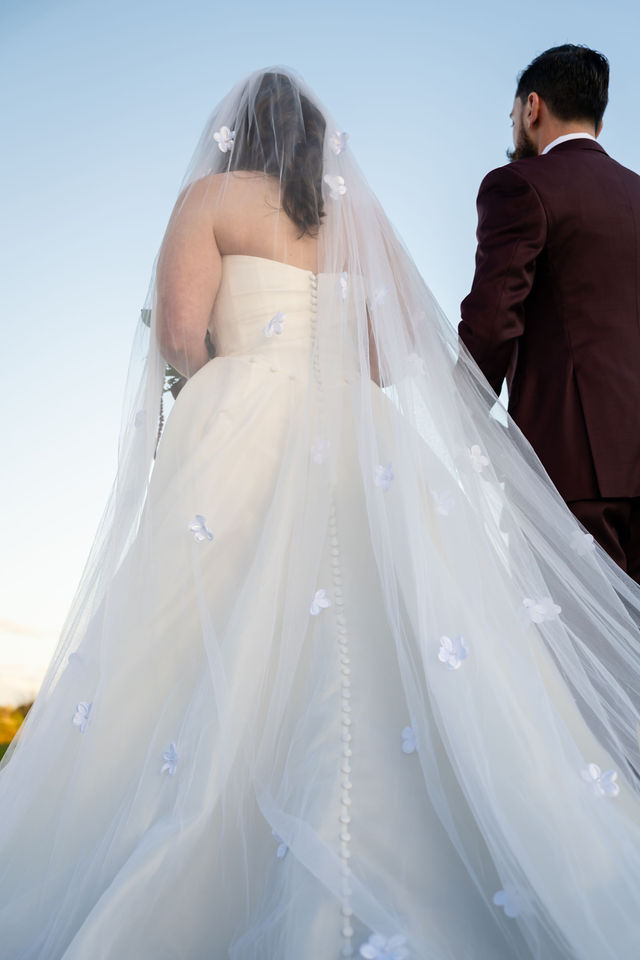
Skip the guesswork. Three outfit formulas cover almost every engagement session: Formula A, a flowy dress in soft neutral or pastel paired with a neutral knit or dark denim, works for outdoor movement and golden-hour light. Formula B, a linen shirt and chinos with a lightweight blazer for one partner and a complementary midi dress or jumpsuit for the other, suits coastal or summer shoots. Formula C, a tailored blazer and dark trousers against a textured dress or skirt, holds up against concrete and glass in urban or architectural settings.
Before you shop or pack, run this checklist:
Bring a second outfit to your session, even if you think one will be sufficient.
Prioritize fit and comfort over trend. You’ll move, sit, and laugh in these clothes for an hour or more.
Agree on a shared color palette before either of you buys anything.
Key Takeaways
Engagement photo outfits work best when both partners share a limited color palette, bring two distinct looks, and prioritize fit and fabric movement over trend-chasing.
Point | Details |
Build a shared palette | Pick two or three colors plus one neutral before either partner shops. |
Bring two outfits | Pack one dressier and one casual look; a third is only worth it for long sessions. |
Match fabric to season | Linen and cotton for warm months, textured layers and saturated solids for fall and winter. |
Fit outranks trend for men | Shoulder fit on jackets and shirts matters more than style or color. |
Test before you commit | Take a phone photo of both outfits together in real light to catch clashes early. |
Table of Contents
Top Engagement Photo Outfit Tips Photographers Swear By
Great engagement photo outfits follow a handful of rules that separate polished galleries from awkward ones. None of these require a stylist. They just require planning a few days ahead instead of the morning of the shoot.
Coordinate, don’t match. Twinning in identical shades reads as costume, not couple. Choose a shared palette of two or three colors plus a neutral so your outfits relate without mirroring each other.
Limit your color palette to a small number of colors plus a neutral anchor.
Lean on muted neutrals, earth tones, and one accent color. Desaturated jewel tones photograph more cleanly than saturated brights, which pull attention away from your faces.
Skip neon and loud primary colors entirely. They cast unflattering light onto skin.
Choose fabric that moves. Chiffon, silk, and flowing cotton catch wind and light; stiff synthetics photograph flat.
Limit patterns to one subtle piece per outfit. Two patterns in the same frame compete for attention.
Pack one dressier look and one casual look. Two outfits covers most sessions; save a third for long or destination shoots.
Use layers to stretch one outfit into two looks. A cardigan, jacket, or scarf changes the silhouette without a full change.
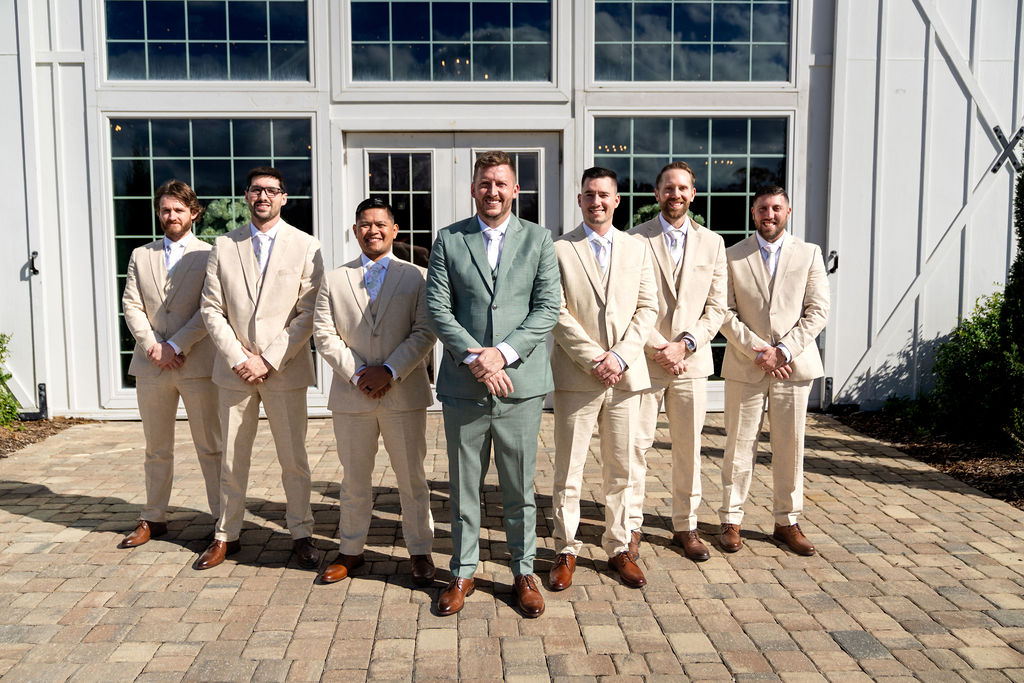
For him, shoulder fit matters more than any other detail. A jacket or shirt that pulls or bunches at the shoulder shows up in every photo.
Break in new shoes before the shoot. Stiff soles change how you stand and walk.
Skip visible logos and brand marks. They date photos and distract from you.
Keep jewelry intentional and minimal. Large statement pieces can cast shadows across the face in direct sun.
Pro Tip: Lay both outfits out side by side on a bed the week before your session. If one color fights with the other under normal room light, it will fight harder in direct sun.
Season-by-Season Outfit Guidance for Your Session
Light and temperature change everything about how an outfit reads on camera, so build your engagement session outfit ideas around the season you’re shooting in, not just what looks good on a hanger.
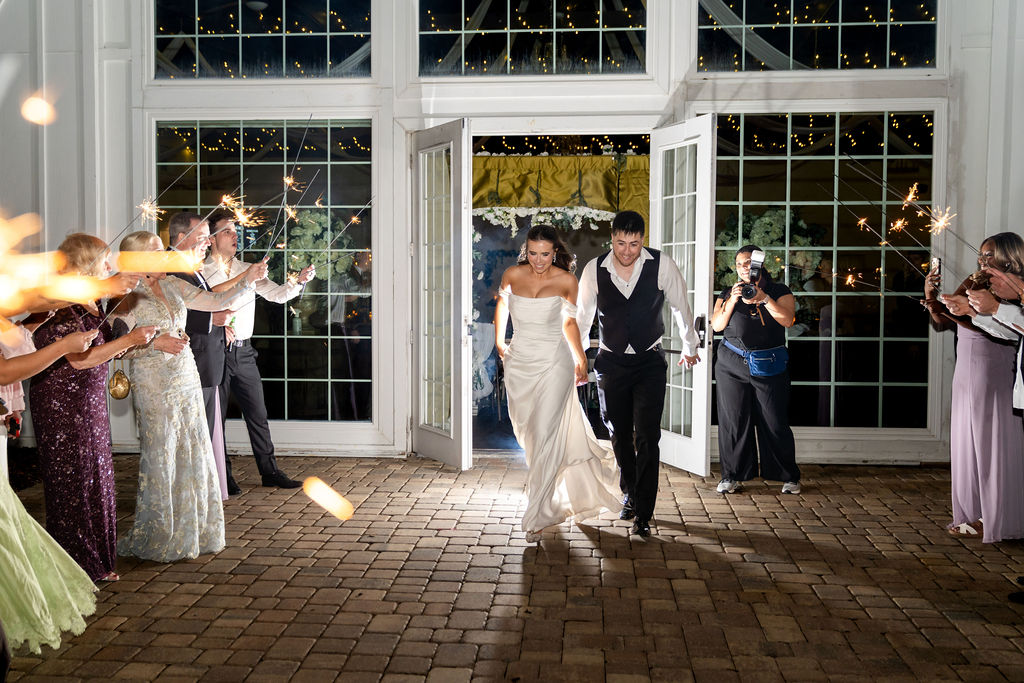
Spring calls for pastels and lightweight fabrics you can layer. A soft floral or solid midi dress paired with a linen shirt (sleeves rolled, tucked or untucked) reads fresh without looking bare if temperatures dip.
Summer rewards linen and cotton for breathability, and scheduling your session near golden hour lets warmer tones like rust, camel, and olive catch the light. A relaxed linen shirt and shorts pair naturally with a flowing sundress in a matching warm neutral.
Fall is the easiest season to photograph well: warm neutrals, textured layers like cardigans or light coats, and richer tones like burgundy or mustard all photograph beautifully. If you’re also shooting save-the-date images, this is the season to bring one dressier look, like a fitted sweater with tailored trousers.
Winter needs saturated solids rather than pale pastels, which wash out against gray skies or snow. If you’re shooting in snow, ivory or warm jewel tones avoid the blue skin cast pure white can create. A wool coat over a knit dress, with gloves tucked away for comfort between shots, covers most winter conditions.
Matching Your Outfit to Your Shoot Location
Your backdrop should feel like it belongs with your clothes, not fight against them. A few adjustments make the difference between looking like tourists in your own photos and looking like you planned it.
Beach: flowing fabrics and light tones move with the wind instead of against it. Skip heels entirely; bare feet or simple sandals work better in sand. Bring a wide-brim hat to hold for a few frames even if you don’t wear it the whole time.
Urban settings: structured silhouettes and richer colors hold their own against concrete, brick, and glass. Clean, polished shoes matter more here than anywhere else, and skip dresses with long trains that can catch on railings or rough pavement.
Fields, forests, and mountains: earth tones and visible texture (waffle knits, corduroy, suede) blend into the landscape instead of competing with it. Closed-toe shoes or boots protect your feet on uneven ground, and a light jacket handles unpredictable weather.
At-home sessions: elevated loungewear and soft neutrals fit the setting. This is also the place for sentimental pieces, like a robe from your wedding morning or a shirt that means something to your story.
What Men Should Prioritize for Engagement Photos
For men, fit around the shoulders is the single most critical detail in any jacket or button-down. A shirt that pulls across the back or a jacket with shoulders too wide shows up in nearly every frame, no matter how good the rest of the outfit looks.
Reliable combinations: tailored chinos with a button-down, a sweater layered over a collared shirt, or an unstructured blazer over a plain tee.
Skip visible logos, anything baggy or too tight, and shoes straight out of the box.
A scarf or pocket square in your partner’s color ties the two looks together without matching outright.
How to Coordinate Two Outfits That Look Like One Story
Coordinating outfits doesn’t require a stylist. It requires a sequence.
Pick one anchor piece first, usually the dress or the main top. Everything else builds around it.
Choose one or two complementary colors plus a neutral to pull from for the second outfit.
Assign pattern versus solid. Only one person should wear a pattern in any given frame; the other stays solid.
Test it with your phone before you commit. Photographers consistently recommend snapping a quick photo of both outfits together because it reveals clashing tones or competing textures faster than picturing it in your head.
Pro Tip: Take that test photo in the same kind of light you’ll actually shoot in. Colors that look balanced under kitchen lighting can shift completely in direct sun.
Wardrobe Mistakes That Hurt Engagement Photos
A few choices consistently work against couples in their galleries, and all of them are fixable before session day.
Wearing exact matching outfits, or anything with large brand logos.
Choosing neon or heavily saturated primary colors, which color-cast skin tones.
Wearing pure white in bright sun or pure black in low light. Ivory and charcoal are safer stand-ins for both.
Showing up in brand-new, stiff shoes. Break them in around the house for a few days first.
Your Preparation Timeline From Three Weeks Out to Session Day
Spreading prep across a few weeks means no last-minute scrambling. Getting your outfits ready three to seven days ahead cuts down on wrinkles, ill-fitting returns, and forgotten details. Our engagement session checklist covers hair and skin prep alongside outfit planning.
Timeframe | What to Do |
Three weeks out | Pick your shared palette and order any pieces with a return window. |
Two weeks out | Confirm your second look and book hair or makeup if you’re using a professional. |
One week out | Try both outfits on together and take a phone photo to preview the balance. |
Three days out | Steam or iron everything and confirm any grooming appointments. |
Session day | Arrive early with a small kit (lint roller, safety pins, stain wipes) and snacks. |
Real Engagement Session Styling, Backed by Pixel Groves
Kellie has spent years writing about wedding and engagement photography trends across Florida, translating what photographers see in the field into practical advice for couples. Pixel Groves earned the 2025 Best of Florida Wedding Photographer Award, and the client testimonials on file consistently mention feeling relaxed and looking natural in front of the camera, not stiff or overdressed.
Two anonymized examples from real sessions show these formulas in action:
A couple shooting at a Gulf Coast beach at sunset chose Formula A: a flowing coral maxi dress and a linen shirt in warm sand, both catching the golden hour light without competing with the water behind them.
A couple booked for a downtown engagement session in a converted warehouse district went with Formula C, a fitted charcoal blazer against a rust-toned textured skirt, letting the brick and steel background do the work instead of fighting it.
If you want feedback on your own outfit choices before your session, reach out through Pixel Groves’ photography services and we’ll walk through it with you.
Bringing Your Pet Into the Photos Without Clashing Outfits
If your dog or cat is joining the session, treat their look as the third element in your palette, not an afterthought. A bandana or simple collar in one of your accent colors ties the pet visually into the frame without looking costumed. Skip elaborate pet outfits entirely. A blazer or bow tie on a dog reads as gimmicky in most galleries and pulls focus away from the two of you.
The safest move is picking one color from your shared palette, usually the neutral or the accent, and finding it in a leash, bandana, or simple harness. If your palette leans rust and cream, a tan leash works better than a bright red one that fights everything else in frame.
Texture matters here too. A short-haired dog against a textured sweater or tweed jacket adds visual interest without extra effort. A fluffy dog against a busy pattern usually looks cluttered, since you’ve now got two textures competing in one frame.
Practical note: bring treats and a second person if possible, since wrangling a pet while trying to hold a pose rarely goes smoothly alone. Your photographer can time the shots around the pet’s attention span rather than forcing it, which usually means shooting the pet-inclusive frames first while everyone still has patience.
Mixing Patterns and Textures Without Visual Clutter
The safest rule for engagement photo attire is one pattern per frame, worn by one person, while the other stays in a solid or subtle texture. Two patterns in the same shot, even complementary ones, tend to pull the eye away from your faces and toward the clothes.
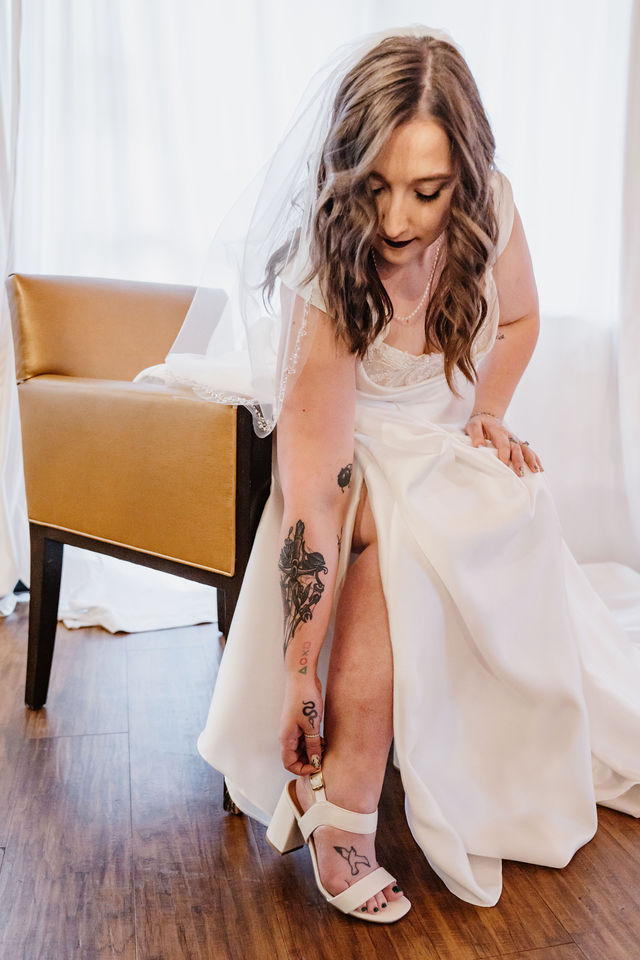
Texture often does more visual work than pattern, and it carries far less risk. A waffle knit next to a smooth cotton, or a corduroy jacket against a silky dress, creates depth in a photo without the visual competition a bold print introduces. This is especially useful across your two outfits: if look one leans on a patterned scarf or dress, look two should lean entirely on texture and solid color instead.
If you do want a pattern, keep it small and subtle, like a fine pinstripe or a muted floral, and confine it to one piece, such as a tie or a single accessory rather than an entire garment. Save bold patterns for accessories you can remove between shots if they read stronger on camera than they did in the store.
When combining textures, stay within your agreed color palette. A cream cable knit and a cream linen dress share texture contrast while staying visually unified, whereas mismatched textures in clashing colors read as chaotic rather than intentional.
Accessories That Add Polish Without Distraction
Scarves, hats, and belts do real work in engagement photos, but only when used deliberately. A scarf in your accent color can tie two otherwise separate outfits together, especially in Formula B or C combinations where one partner wears more structured pieces.
Hats work best as a prop rather than a permanent fixture. Wide-brim styles look great held at your side or slightly tilted in a handful of frames, but wearing one through an entire session can cast unflattering shadows across your eyes, particularly at midday.
Belts matter most for structure. A defined waist on a dress or blazer creates a cleaner silhouette in photos than a loose, shapeless line, especially for full-length or wide shots where posture reads clearly.
Keep the total accessory count low. One statement piece per person, whether that’s a scarf, a hat, or a bold belt, reads as intentional. Three or four competing accessories start to look cluttered and pull focus from your expressions, which is the actual point of the photos.
Outfit Ideas That Match Your Style as a Couple
Not every couple wants the same aesthetic, and your engagement photo attire should reflect how you actually dress, not a generic template.
Casual couples do well in relaxed denim, soft knits, and sneakers or simple sandals. Think oversized cardigans, straight-leg jeans, and a canvas jacket. This style photographs best in fields, at home, or in laid-back neighborhood settings.
Formal couples lean into tailored pieces: a structured gown or cocktail dress paired with a full suit. This works especially well for urban or architectural backdrops where clean lines match the setting.
Trendy couples can push further into current silhouettes, like wide-leg trousers, statement sleeves, or bold but tasteful color combinations. This suits couples comfortable standing out in their gallery rather than blending into a classic look.
Vintage-inspired couples often reach for high-waisted trousers, tea-length dresses, and muted retro palettes like dusty rose or olive. Pair this with a hairstyle that echoes the era you’re drawing from, whether that’s soft waves or a slicked side part, for a more complete look.
Whatever style you land on, apply it consistently across both partners so the final gallery feels like one coherent story rather than two people who got dressed separately.
What Actually Matters in Engagement Photo Outfits
Most advice on this topic treats outfit choice like a fashion decision. It’s really a logistics decision. The couples who end up loving their galleries aren’t the ones who found the trendiest outfit. They’re the ones who tested their choices in real light before the session, packed a backup, and picked shoes they could actually walk in for an hour.
The conventional wisdom oversells color theory and undersells fit. A perfectly matched palette in an outfit that pulls at the shoulders or pinches at the waist still produces stiff, uncomfortable photos. Fit and movement do more visual work than color coordination, especially in candid shots where you’re walking, laughing, or leaning into each other.
If you take one thing from all of this, prioritize the phone-photo test over any color chart. It catches problems no amount of planning on paper will reveal, and it takes five minutes the week before your session. Everything else, the palette, the layers, the accessories, is secondary to whether you can move naturally in what you’re wearing.
— Kellie
Sources
Guidance drawn from Bliss & Bone, Vogue, and Tov Studio Photo; explore Pixel Groves’ engagement inspiration.
Recommended
Comments