Creative Engagement Photo Ideas for Your Love Story
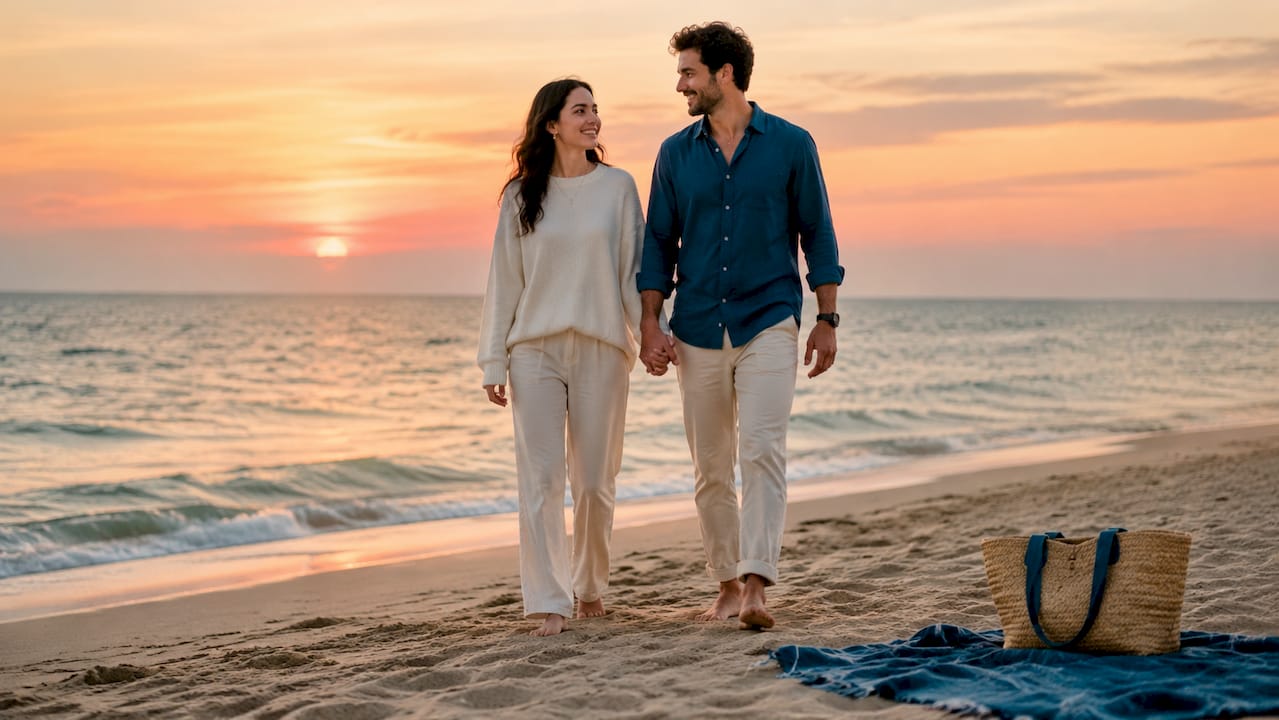
Engagement photo ideas are creative concepts and practical plans couples use to capture authentic moments that reflect their unique personalities before the wedding day. The best sessions go far beyond a simple pose in a park. They tell your story through meaningful locations, natural movement, and styling choices that feel genuinely like you. Whether you want something adventurous, intimate, or playfully candid, the right approach turns a photo session into one of the most memorable experiences of your engagement.
1. What are the top creative engagement photo ideas?
Activity-based shoots produce the most personal and memorable images. Think about what you actually do together: hiking a trail you love, cooking a meal at home, browsing a bookstore, or ice skating at a local rink. These activities give you something real to focus on, which means your expressions stay natural and your connection shows up clearly in every frame.
Meaningful locations add personal significance that generic park backdrops simply cannot match. Your first date spot, a favorite coffee shop, or a neighborhood you both love will always produce more genuine images than a location chosen purely for aesthetics. The story behind the place comes through in the photos.
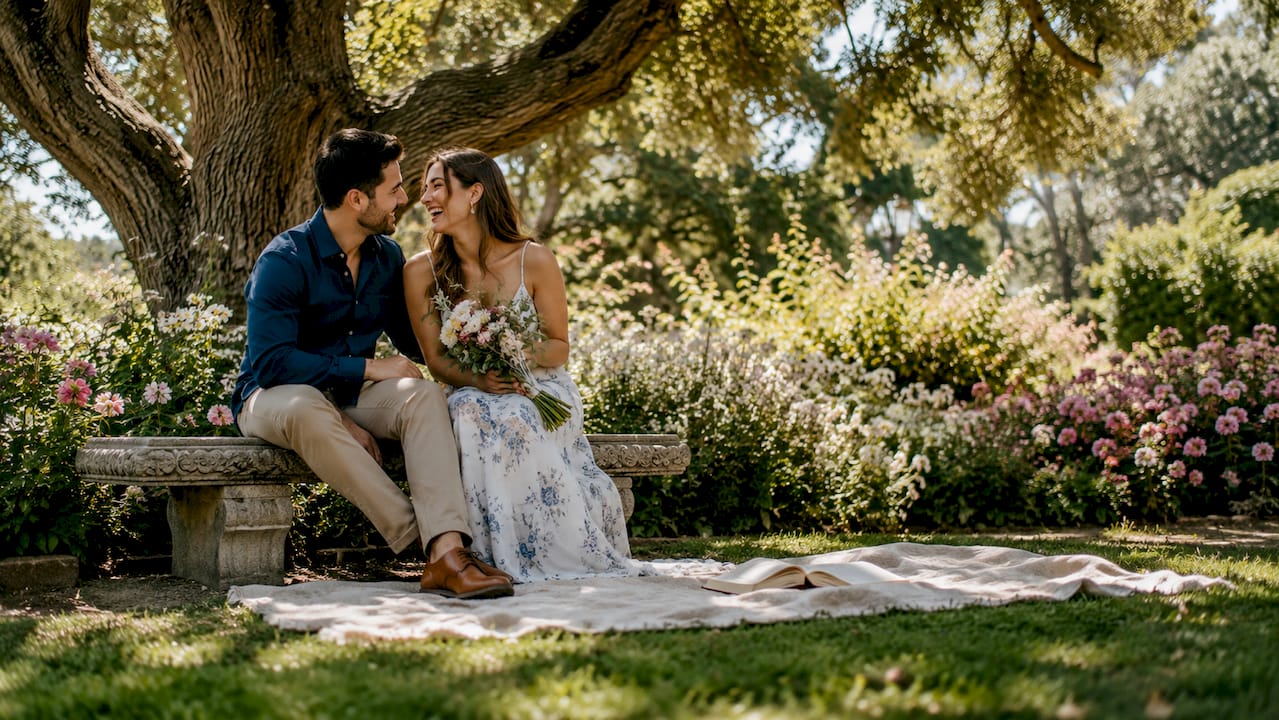
Props and personal items work especially well for couples who want unique engagement picture styles. A dog, a musical instrument, a vintage car, or even a well-loved board game can anchor a scene and give the shoot a distinct personality. Urban settings, open fields, and cozy at-home environments each offer a completely different visual mood, so mixing two or three settings within one session adds real variety to your gallery.
Pro Tip: Bring one prop that means something specific to your relationship. A photographer can build an entire creative sequence around a single meaningful object.
2. Which engagement shoot poses work best for authentic emotion?
Natural, candid poses involving movement and emotional closeness produce the most authentic engagement photos. Stiff, posed shots tend to look dated quickly. Movement-based poses feel alive and translate well across social media, save-the-dates, and printed albums.
The following poses consistently deliver strong results across different couple styles and locations:
Forehead to forehead. This close, quiet pose captures intimacy without requiring a kiss. It works beautifully for both wide and tight crops.
Walking hand-in-hand. Movement creates natural body language. Ask your photographer to shoot from slightly ahead of you as you walk toward the camera.
Piggyback. This pose produces genuine laughter almost every time. It works best outdoors with open space behind you.
Seated together. Sitting side by side or with one partner leaning into the other creates a relaxed, comfortable energy that translates well in close-up shots.
Candid laughter. Ask your photographer to capture the moment right after a joke or a whispered comment. These frames are almost always the favorites.
The slow dance. No music required. Swaying together in an open field or on a rooftop produces images with a cinematic, timeless quality.
The look back. One partner walks slightly ahead and glances back. Simple, but the resulting image has strong visual depth and movement.
A variety of shot types, including wide-angle landscapes and tight close-ups, maximizes the usefulness of your gallery across digital and print formats. Close-ups of hands, rings, and faces work especially well for social media crops and save-the-date cards.
Pro Tip: Tell your photographer one thing that makes you both laugh. A genuine laugh mid-session resets the energy and produces some of the best frames of the day.
3. How to choose the best locations and timing for engagement photos
Golden hour, defined as 1–2 hours before sunset, provides the most flattering, soft, and romantic light for outdoor engagement photos. The warm, directional sunlight creates dimension and mood that midday light simply cannot replicate. Early morning light offers a similar quality for couples willing to start before 8 a.m.
Location choice shapes the entire visual tone of your session. Beaches, mountain overlooks, and open fields suit couples who want airy, expansive images. Urban streets, alleyways, and rooftops work well for a modern, editorial feel. Cozy indoor spaces like a home library or a favorite restaurant produce warm, intimate results that feel completely different from outdoor shoots.
Seasonal elements like spring blossoms or winter snow provide distinct aesthetics and directly affect your timing decisions. Spring and fall are the most popular seasons for outdoor engagement shoots because the light is softer and the temperatures are comfortable. Summer sessions work best in the early morning or at golden hour to avoid harsh midday shadows.
Season | Best timing | Visual mood | Outfit tip |
Spring | Late afternoon | Soft, blooming, fresh | Light layers, pastels |
Summer | Early morning or golden hour | Bright, warm, vibrant | Breathable fabrics |
Fall | Late afternoon | Rich, warm, textured | Earthy tones, layers |
Winter | Midday or golden hour | Crisp, dramatic, moody | Coats, scarves, boots |
Book your session 6–10 months before the wedding to keep photos current and meet save-the-date deadlines. Booking early also gives you first pick of your preferred photographer’s availability and the best seasonal windows.
4. What outfit and styling tips add variety to your engagement gallery?
Wardrobe planning is one of the most overlooked parts of how to plan engagement photos. Your outfits set the visual tone for the entire gallery, and a little planning goes a long way.
Allow for 1–2 outfit changes during your session, allocating 10–15 minutes per change. Outfit changes create stylistic variety that makes your gallery feel like a full editorial spread rather than a single look repeated across different backdrops. A casual first look and a more dressed-up second look cover the widest range of moods.
Key styling principles that consistently produce strong results:
Coordinate, do not match. Complementary color palettes create intentional but natural-looking outfits. Avoid wearing identical colors or patterns, which can look staged.
Consider the location. A flowy dress works beautifully in a field but can look out of place on a city rooftop. Match your outfit energy to the setting.
Plan for close-ups. Manicures matter for ring shots. Hair styling matters for forehead-to-forehead poses. Think about how each detail looks at close range.
Avoid busy patterns. Small prints and logos distract the eye and date quickly. Solid colors and simple textures hold up better over time.
Bring a backup. Pack an extra top or layer in case of weather changes or spills. Outdoor sessions are unpredictable.
The goal is a gallery that feels cohesive across all looks without appearing overly coordinated. When your outfits complement each other and the location, the images feel natural rather than staged.
Key takeaways
The most memorable engagement photos come from meaningful locations, natural movement, and wardrobe planning that reflects who you actually are as a couple.
Point | Details |
Book early | Schedule your session 6–10 months before the wedding to secure your photographer and best seasonal timing. |
Choose golden hour | Shoot 1–2 hours before sunset for the most flattering, natural light in outdoor sessions. |
Use candid poses | Movement-based poses like walking, piggyback, and candid laughter produce the most authentic images. |
Plan outfit changes | Allow 1–2 outfit changes with 10–15 minutes each to create variety across your gallery. |
Pick meaningful locations | Locations tied to your relationship produce more genuine images than generic scenic backdrops. |
What I’ve learned about engagement sessions that most couples overlook
Couples often spend weeks researching creative engagement photography concepts and then freeze up the moment the camera appears. The irony is that the best images almost never come from the planned poses. They come from the 30 seconds between poses when you are laughing at something your partner said, or adjusting each other’s hair, or just standing quietly together.
My honest advice: give yourself permission to forget the camera is there. A photographer worth hiring will capture those in-between moments without prompting. Your job is to show up, be present with each other, and trust the process.
The other thing most couples underestimate is location scouting. Picking a spot because it looks good on Instagram is a trap. Pick a spot because it means something to you. The emotional connection you feel in a place shows up in your body language, and your body language is what makes a photo feel real. Understanding the difference between engagement and wedding shoots also helps you approach the session with the right mindset. An engagement session is lower stakes and more experimental. Use it that way.
One more thing: do not overthink your outfits to the point of stress. Coordinated colors matter, but comfort matters more. If you feel stiff or self-conscious in what you are wearing, it will show. Wear something you would actually choose for a nice evening out together.
— Kellie
How Pixelgroves can help you capture your engagement story
Pixelgroves specializes in telling the unique love stories of couples through award-winning photography and videography across Florida. The team brings years of experience to every engagement session, combining a deep understanding of light, location, and natural storytelling to produce images that feel genuinely personal.
[
Pixelgroves holds the 2025 Best of Florida Wedding Photographer Award and works closely with each couple through a collaborative planning process that covers location scouting, styling guidance, and session timing. Explore the full range of photography styles and packages to find the approach that fits your vision, or visit Pixelgroves to start planning your session today.
FAQ
When should we book our engagement photo session?
Book your session 6–10 months before your wedding date. Booking earlier gives you more scheduling flexibility and ensures your photos are ready in time for save-the-date announcements.
What time of day is best for outdoor engagement photos?
Golden hour, which falls 1–2 hours before sunset, produces the softest and most flattering natural light. Early morning light offers a similar quality for couples who prefer a quieter, less crowded setting.
How many outfit changes should we plan for?
Plan for 1–2 outfit changes, with 10–15 minutes allocated per change. Two looks give your gallery enough variety to work across different uses, from social media posts to printed save-the-dates.
Do we need professional hair and makeup for engagement photos?
Professional styling is not required, but close-up shots of hands, rings, and faces make grooming details more visible than you might expect. A fresh manicure and polished hair styling are worth the effort for the detail shots alone.
What locations work best for engagement photos?
Locations tied to your relationship, such as your first date spot or a favorite neighborhood, consistently produce the most genuine images. Beaches, urban streets, and open fields each offer distinct visual moods worth considering based on your personal style.
Recommended
Comments