Combine Photo and Video: A Couple's Guide to One Coordinated Team
- 1 day ago
- 8 min read

Hiring one integrated photo and video team is the smarter choice for most couples who want a wedding story that actually looks and feels like one story. When you combine photo and video through a single studio or a coordinated package, you get a matching visual style, one contract to manage, and a crew that already knows how to work around each other without stepping on shots. Pixel Groves has built its packages around exactly this model, and Kellie, the studio’s lead photographer, was named the 2025 Best of Florida Wedding Photographer for the kind of cohesive, story-driven coverage that comes from teams who plan together instead of just showing up together.
Three things change immediately when you book combined coverage instead of two separate vendors:
Your gallery and your film share the same color, tone, and pacing instead of clashing.
You deal with one point of contact for scheduling, contracts, and changes.
Your day runs smoother because the crew already has a shared plan for where to stand and when to move.
Key Takeaways
A combined photo and video team works best when the same people plan, shoot, and edit your wedding together under one shared timeline and color standard.
Point | Details |
Verify the actual crew | Ask for names, not roles, and confirm how often that pair has worked together before. |
Build a shared timeline early | Circulate the master timeline and shot list six to eight weeks out, then revise closer to the date. |
Lock backup protocols in writing | Contract should name backup gear, redundant audio, and turnaround windows explicitly. |
Check for color consistency | Ask to see a real gallery and film from one wedding to confirm matching tone and grade. |
Consider Pixel Groves | Offers a named, coordinated photo and video team with a shared timeline, backups, and color-matched deliverables. |
Table of Contents
What Does It Mean to Combine Photo and Video for a Wedding?
Combining photo and video means hiring a single studio, or a lead vendor who runs a fixed team, so the same company shoots, edits, and delivers both your still gallery and your wedding film. That’s the definition that matters here. It has nothing to do with editing software that stitches clips and pictures into a slideshow. It’s about who shows up on your wedding day and how well they’ve rehearsed working together before they get there.
This approach earns its keep in a specific set of situations. If your wedding happens at one venue with a tight timeline, tension between two separately booked crews jockeying for the same three feet of aisle space becomes a real problem fast. If cohesive storytelling matters more to you than mixing and matching two “best in class” vendors who’ve never met, an integrated team removes that risk entirely. And if you’re already stretched thin managing florists, caterers, and a DJ, cutting one vendor relationship down to zero extra coordination is worth something on its own.
It’s not universal, though. Sprawling multi-venue weddings with long transitions sometimes need two independently staffed crews just to cover the ground. And if you already have your heart set on one photographer or one videographer whose work you love and who doesn’t offer bundled service, forcing a combined package isn’t worth giving up the vendor you actually want.
How Do You Interview a Combined Photo+Video Team?
Booking a combined package doesn’t automatically mean you’re getting a coordinated team. Some companies sell a “package” that’s really just two subcontracted freelancers who met for the first time in the driveway. Your job in the interview stage is to find out which one you’re actually hiring.
Ask who, by name, will be on your wedding day. Vague answers like “one of our photographers” are a warning sign; you want names and roles.
Ask how often that specific crew has worked together. A studio’s own permanent team will usually give you a number of weddings, not a shrug.
Ask what happens if a camera, mic, or memory card fails. Confirm backup protocols for equipment and audio before you sign anything.
Ask to see a wedding where that exact photographer and videographer worked the same event. Matching color and tone across a real sample tells you more than any portfolio split by role.
Ask how they handle a scheduling conflict mid-day, like a delayed ceremony eating into golden hour portraits.
Whether the company is a permanent studio unit or a lead vendor who books freelancers for each wedding changes everything about how well those two people will read each other’s movements. Permanent teams build shorthand over dozens of weddings; one-off pairings are starting from scratch on your day.
Your contract should name the on-site personnel, spell out deliverables and turnaround windows, include a backup equipment clause, state who owns the files and what usage rights you retain, and lay out cancellation and rescheduling terms in plain language. If a vendor can’t describe how their photographer and videographer rehearse or coordinate before a wedding, that’s a red flag worth walking away from. So is any answer that has one person doing two full jobs at a large wedding, like operating a second camera and running audio at the same time.
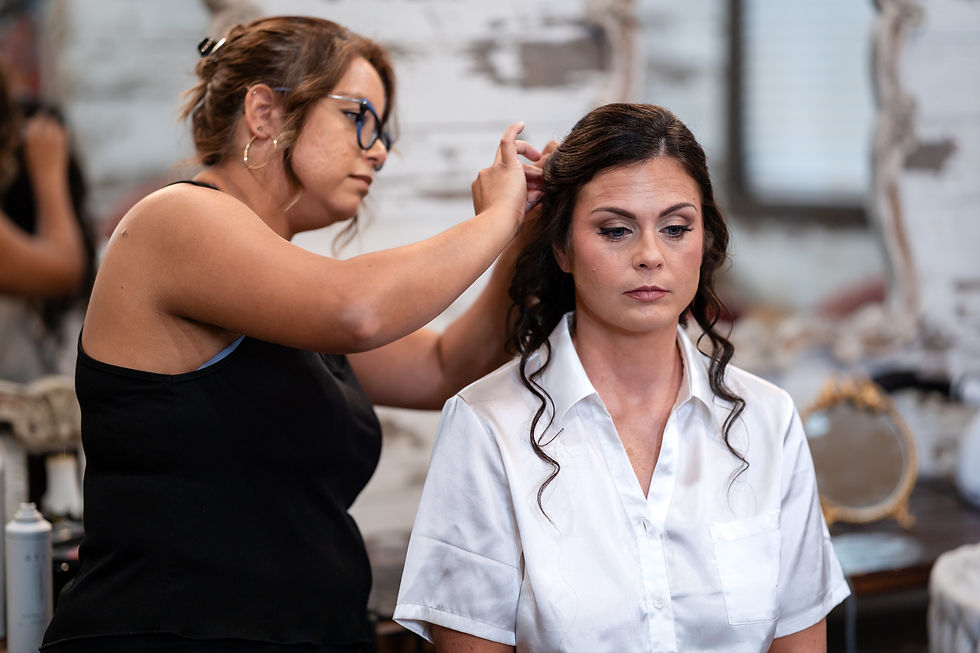
Pro Tip: Ask for one specific, verifiable example: a couple’s wedding date, roughly, where this exact two-person team worked together. A vendor who can’t produce one probably hasn’t paired them before.
Building a Shared Timeline and Shot List That Works for Both Media
A single master timeline is the backbone of good coordination, and circulating it early prevents last-minute scrambling on the day itself. Send your combined team a draft timeline roughly six to eight weeks out, then revisit it two to four weeks before the wedding once headcounts, ceremony details, and vendor arrival times firm up.
A workable timeline generally covers:
Getting-ready and detail shots (rings, dress, invitations)
First look or first touch, if you’re doing one
Ceremony processional, vows, and exit
Family formals and wedding party portraits
Couple’s portraits during golden hour
Reception entrances, toasts, first dance, cake cutting
Open dancing and send-off or load-out
Beyond the timeline, a shared shot list keeps both crews aligned on what can’t be missed. It helps to label entries by media type:
Still only: detail flat-lays, formal group portraits
Motion only: vows audio, speech reactions, dance floor energy
Both: ring exchange, first kiss, cake cutting, grand exit
Assigning primary and secondary shooting positions in advance, and having the photographer and videographer stagger their movements rather than mirror each other, keeps both from crowding the same three feet of space during the ceremony. This is also where you settle who takes the “lead” position for a given moment, so nobody’s guessing in real time whether they should step back or push in.
Keeping Light, Sound, and Backup Gear Consistent
Photographers and videographers often work with different tools for the same problem, and if your combined team doesn’t reconcile that, it shows up in mismatched results. A photographer relying on flash and a videographer needing continuous light can clash badly if nobody plans for it. Integrated teams typically settle this ahead of time so ceremony lighting doesn’t strobe in the film or wash out in the stills.
Audio deserves its own plan entirely. Redundant recording systems, meaning a wireless lav on the officiant plus a backup recorder on the altar, protect vows and toasts from being lost to wind, distance, or a single dead battery. A solid backup checklist includes:
Two camera bodies per shooter, minimum
Spare batteries and memory cards, not just one extra
A backup audio recorder separate from the primary mic
A charged, ready second lighting setup for receptions
On-day operations run smoother with a few small rituals: a quick pre-ceremony huddle to align on cues, simple hand signals for “move” or “reset,” and one designated point person for vendor questions so the couple isn’t fielding logistics mid-celebration.
Pro Tip: Ask your team how they keep photo and film color consistent after the wedding, not just how they shoot. A shared LUT or color reference file, agreed on before the wedding, is often the difference between a matching gallery and film versus two products that feel like they belong to different weddings.
For more detail on what a professional crew should be carrying as backup, see this breakdown of wedding videography equipment essentials.
What Cohesive Deliverables Actually Look Like
Cohesion doesn’t happen by accident in the editing room any more than it does on the wedding day. Teams that shoot together tend to edit together too, applying the same color grade and LUT across both the photo gallery and the wedding film so warm tones in your portraits match the warmth in your ceremony footage rather than fighting it.
Typical combined deliverables include:
A curated set of photo selects delivered within one to two weeks
A full gallery, usually within four to six weeks
A three to five minute highlight film
A full-length ceremony and reception edit, often the longest turnaround item
A limited number of revision rounds built into the contract, not unlimited changes
Your contract should spell out who owns the final files, what usage rights you keep for printing and sharing, and how long the studio archives your raw footage and images. Ask this before booking, not after the wedding, when it’s too late to negotiate.
Why the Real Risk in Combined Packages Isn’t the Price Tag
Most advice on this topic focuses on cost, treating “photo and video vs. photography alone” as a budget decision. That framing misses the actual risk. The real failure point in combined coverage isn’t spending more. It’s booking a “package” that’s really two strangers paired for a day, with no shared workflow, no rehearsed positioning, and no agreement on color before the edit even starts.
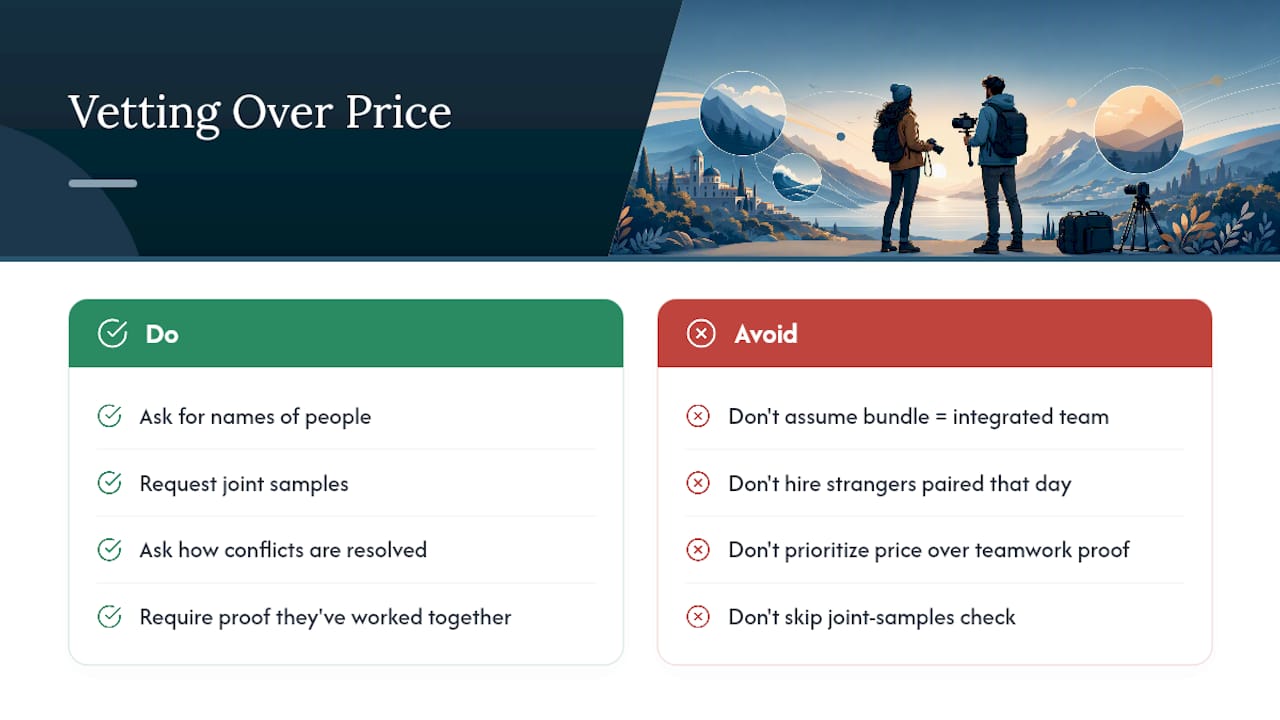
A bundled invoice is not the same thing as an integrated team. Couples should treat the vetting process the way they’d vet any long-term working relationship: ask for names, ask for joint samples, ask how conflicts get resolved on-site. That’s a higher bar than most couples set, and it’s the one that actually predicts whether your gallery and film will feel like one story.
What I’d prioritize first, ahead of pricing or even portfolio style, is proof that the specific people showing up have worked together before. A studio with a fixed team and a repeatable coordination process, the kind built into Pixel Groves’ own workflow, will consistently outperform a lower quote built on two freelancers meeting for the first time at your rehearsal dinner.
— Kellie
Pixel Groves’ Combined Photo + Video Packages
Pixel Groves is the option built for couples who don’t want to gamble on two separately hired vendors figuring it out on the fly. Our combined packages pair a named, working photo and video team, coordinated by Kellie, whose approach earned the 2025 Best of Florida Wedding Photographer Award, around one master timeline instead of two competing schedules.
[
What you get with a combined booking:
A named on-site photo and video team who have worked weddings together before
One shared master timeline and shot list, built and revised with you
Redundant equipment and audio backups planned in advance
Color-matched editing across your gallery and your film
A highlight film and full gallery delivered on a set schedule, in one contract
If you’re ready to see what a coordinated package actually costs, check pricing and packages or explore our wedding photography styles to find the look that fits your day, then send us your date to check availability.
Sources
Recommended


Comments